Perth’s suburbs and ‘near metro’ offer great nature observation opportunities. Even small bushland remnants hold outstanding species biodiversity.
Most of the animals in our bushlands are invertebrates and there is amazing variety. Invertebrates play a massive role in the environment as pollinators, recyclers, cleaners, feeders and as food for predators. Their importance is greatly underrated.
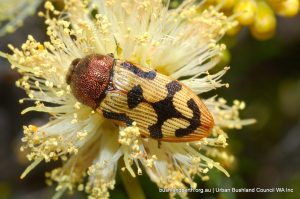
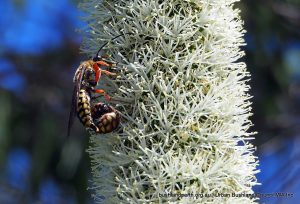
Invertebrates have developed ingenious methods of avoiding being eaten or otherwise being attacked. In our bushlands we’ll see spiders, mites and scorpions, millipedes and centipedes, and a legion of insects. For example, view the Western Australian Museum’s collection of Jewel Beetles.
When the grass trees are flowering, the flowers will be alive with wasps, butterflies, beetles and weevils.
All the locations listed on the main Treasures page are prospective for these captivating creatures.
We hope that the images on this page will whet your appetite to look closely at the ‘little things that count.’
Perth’s suburbs and ‘near metro’ offer great nature observation opportunities. Even small bushland remnants hold good birding. The information here will guide any visitor to a greater appreciation of Perth’s natural treasures.
Where to find them…
The birds illustrated below were all photographed at local Perth area wetland reserves.
Visitors to Lake Monger and Herdsman Lake can anticipate sighting a number of the species depicted here on any visit.
Of these, Herdsmans Lake is particularly important, being the largest waterbird breeding/viewing site in the Perth metro.
Lake Monger (see also Wikipedia information) and Lake Claremontalso provide outstanding waterbird observation opportunities. At Lake Monger, the excellently rehabilitated north eastern side is a delight, and holds two viewing platforms. Note, Lake Claremont dries some summers.
Lake Monger and Herdsmans Lake hold permanent water.
Rockingham Lakes Regional Park – these lakes mostly dry over summer, with the exception of Lake Richmond which is a perennial deep water body.
Interested in unusual metro bird sightings? Then gohere.
Birdlife Western Australia organises weekend visits to Perth’s birding locations, including some of those noted above. Some of these events are open to the general public. Also available are a series of birding guides, some of which cover Perth’s urban locations.
The birds in the Gallery below are randomly displayed to indicate a sample of a range of birding locations that are easily accessible. Unless indicated, the images have been contributed by John Baas, who retains copyright.
Wetland Birds Image Gallery
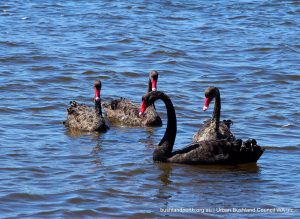
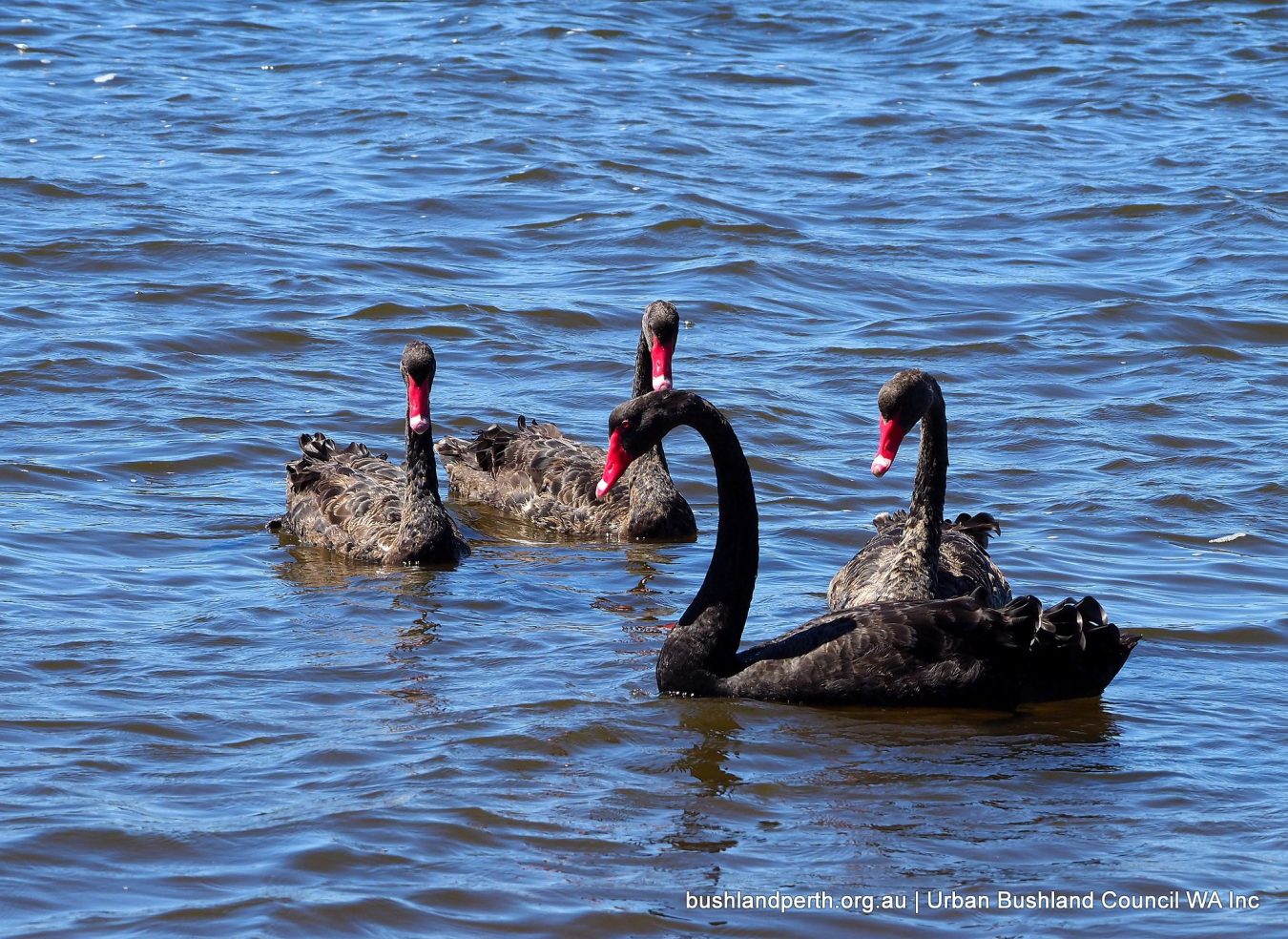
Black Swans on the River at Baigup Wetlands. Swans are common in wetlands holding deeper water. They are a international tourist drawcard at Lake Monger.
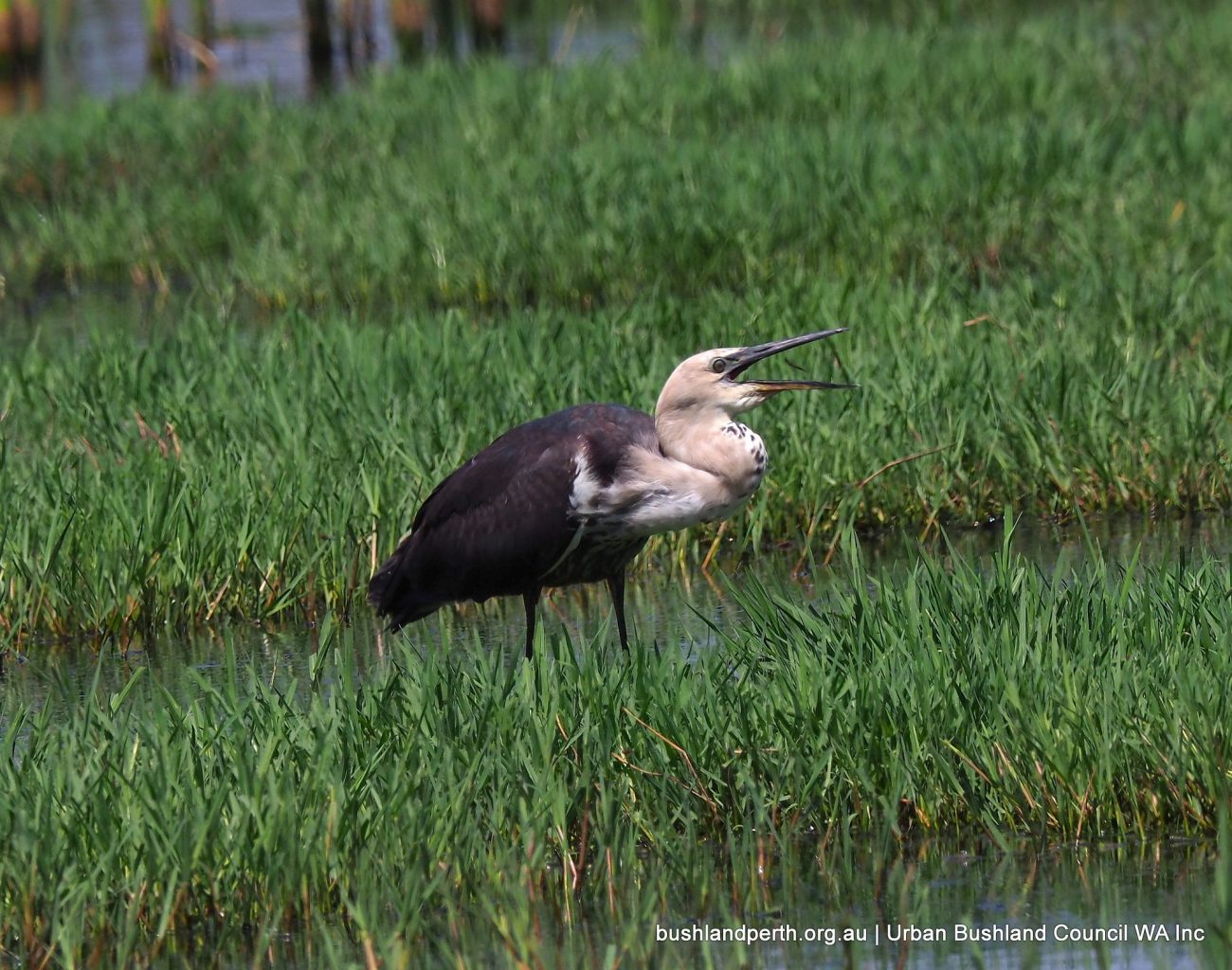
White-necked Herons are a generally widespread in the north of Australia and relatively uncommon in the south, but can ‘turn up’ at any wetland. Here about to down a tadpole; at North Lake.
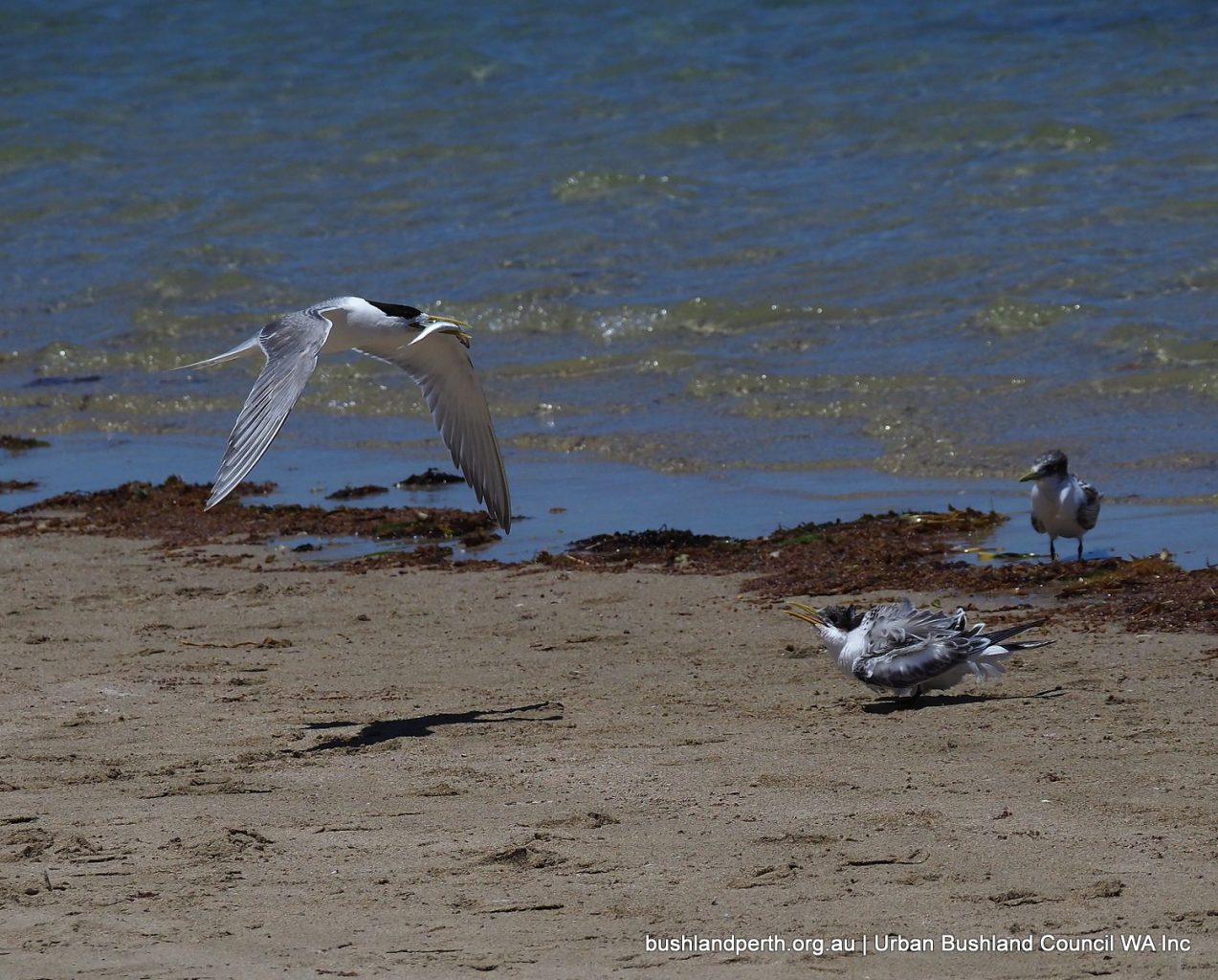
Crested Terns breeding at Penguin Island. Crested’s can be found along the coast throughout Perth’s beaches and along the River, and at some of the larger lakes.
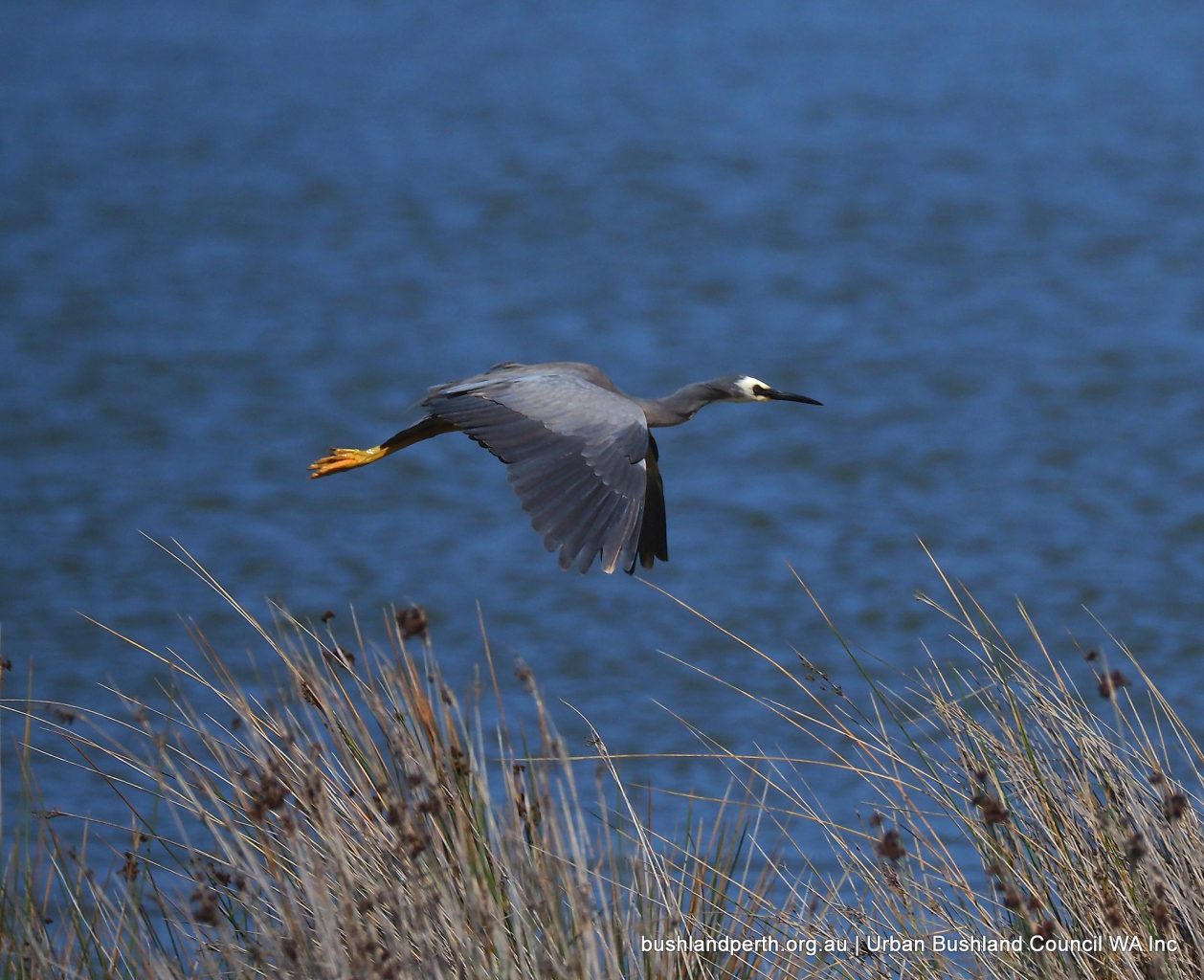
White-faced Herons are the most common urban wetland heron; here at Lake Walyungup.
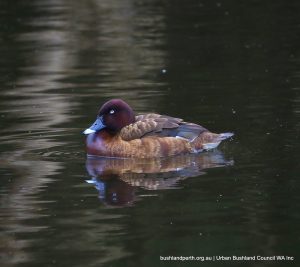
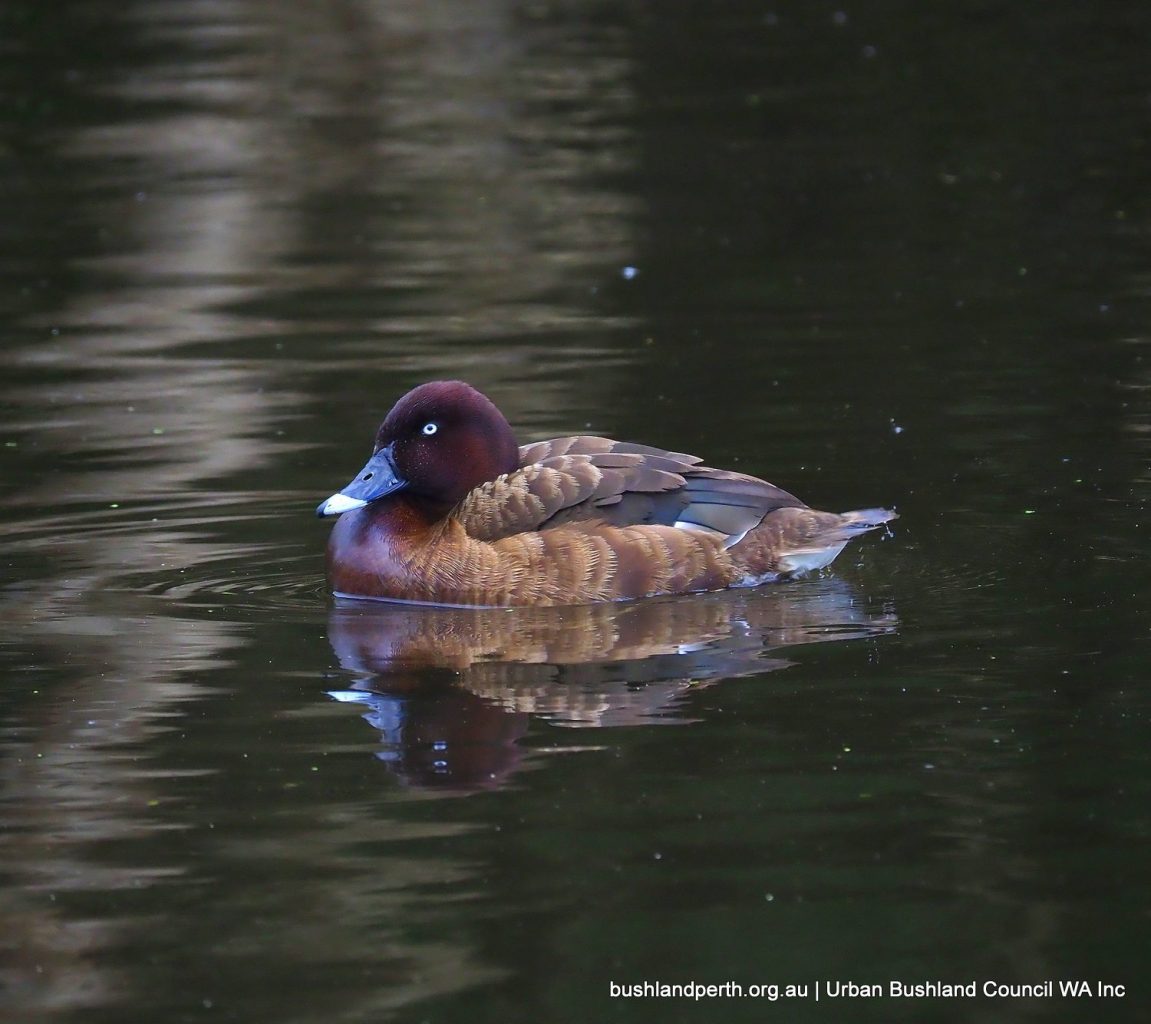
Hardhead Duck are ‘ridiculously’ named; named because they were notoriously difficult for early taxidermists to deal with. A relatively common Perth duck. This ‘coloured up’ male taken at Baigup Wetlands.
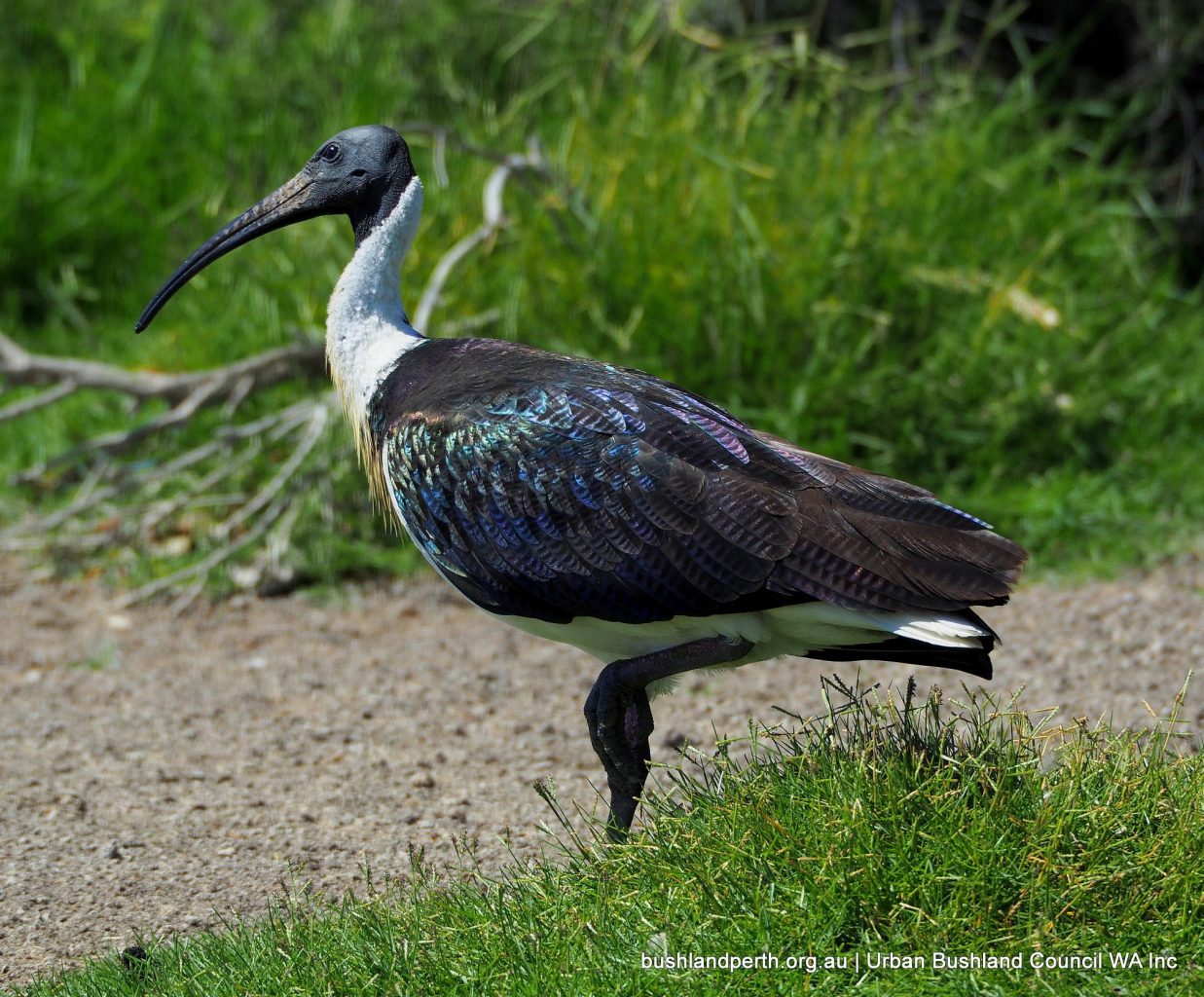
Straw-necked Ibis are quite common on grassed areas surrounding Perth’s larger lakes. Here at Herdsman Lake.
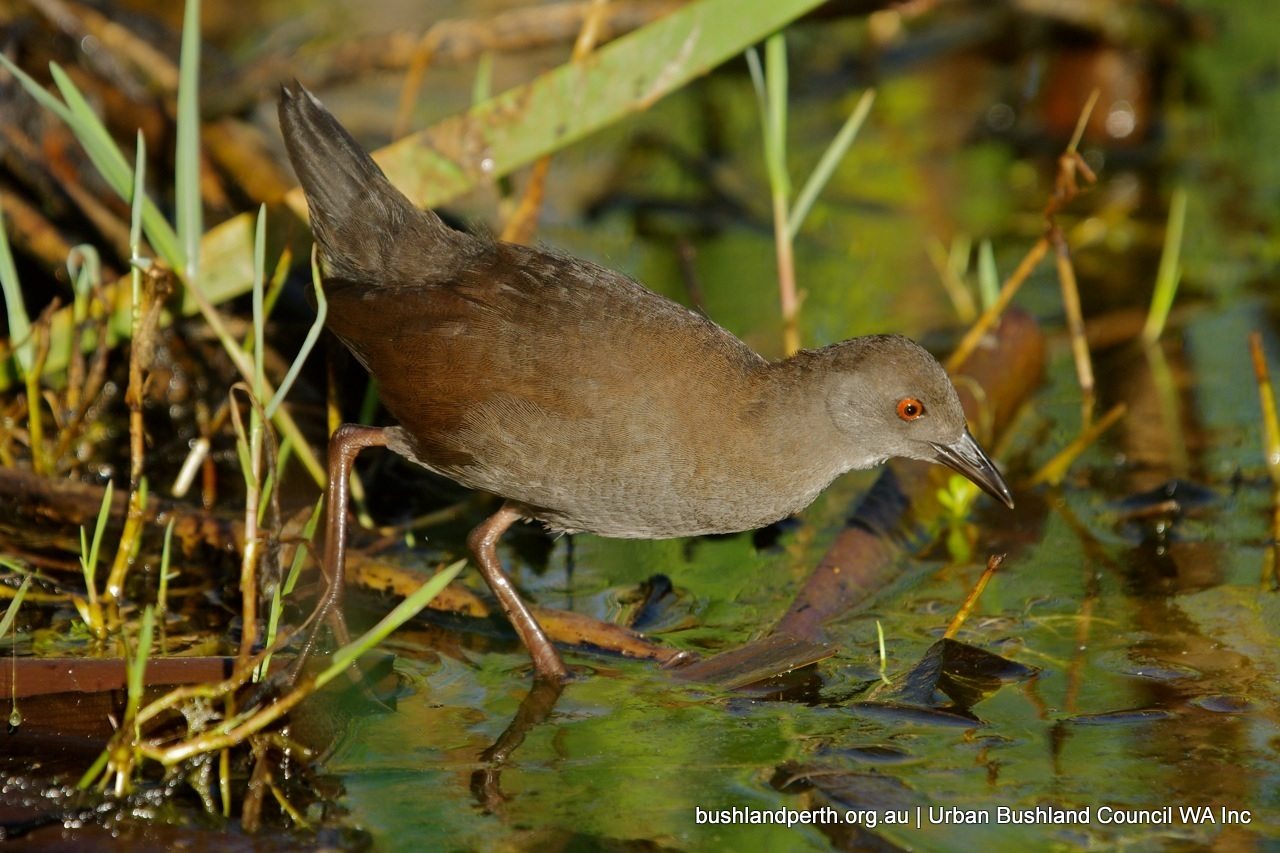
Spotless Crakes are extremely shy and require a deal of patience to find. Image taken at Kogolup Lake. Photo: Mark Binns.
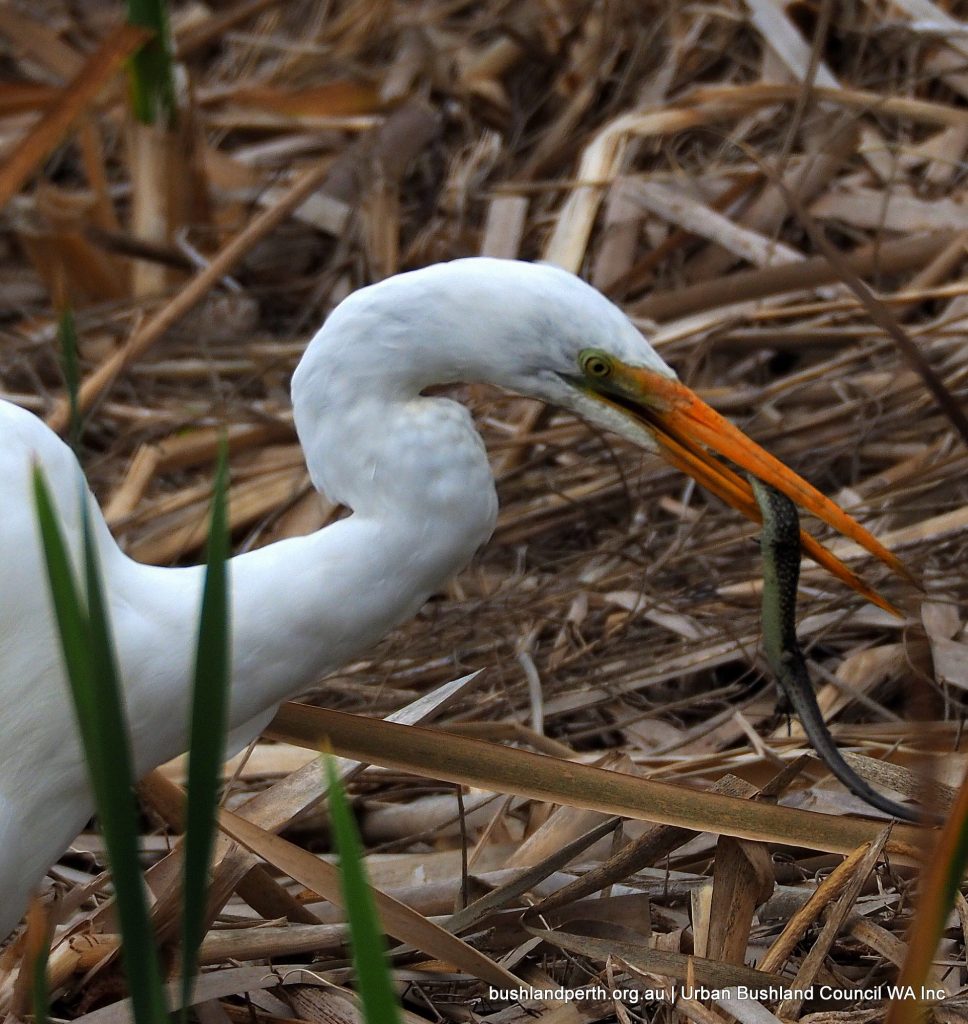
Great Egret with Glossy Swamp Skink. ‘Greats’ are Perth’s most common egret. This one at Baigup Wetlands.
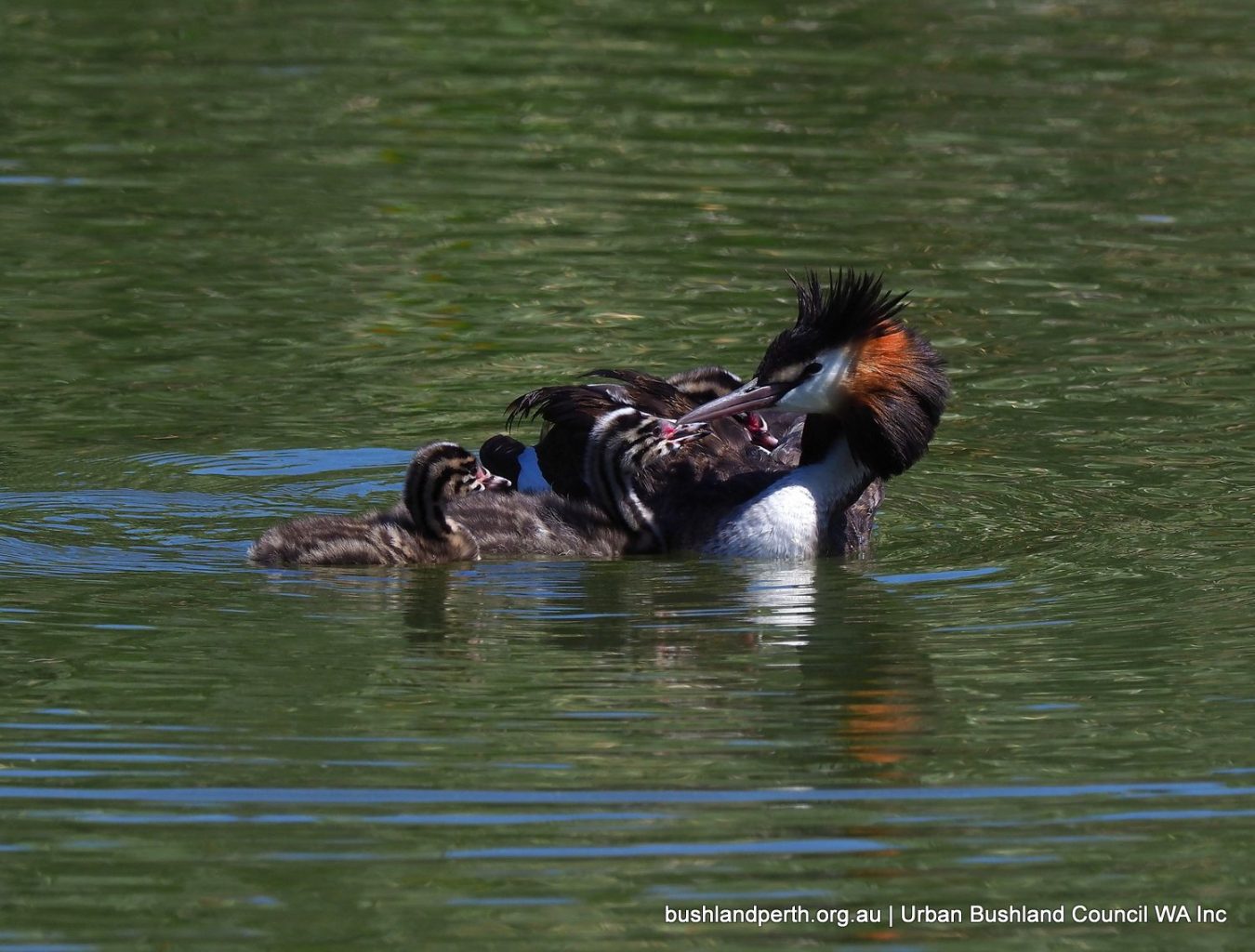
Great Crested Grebes are common at Herdsman Lake, and also often at Lake Monger. This bird with chicks was at the former.
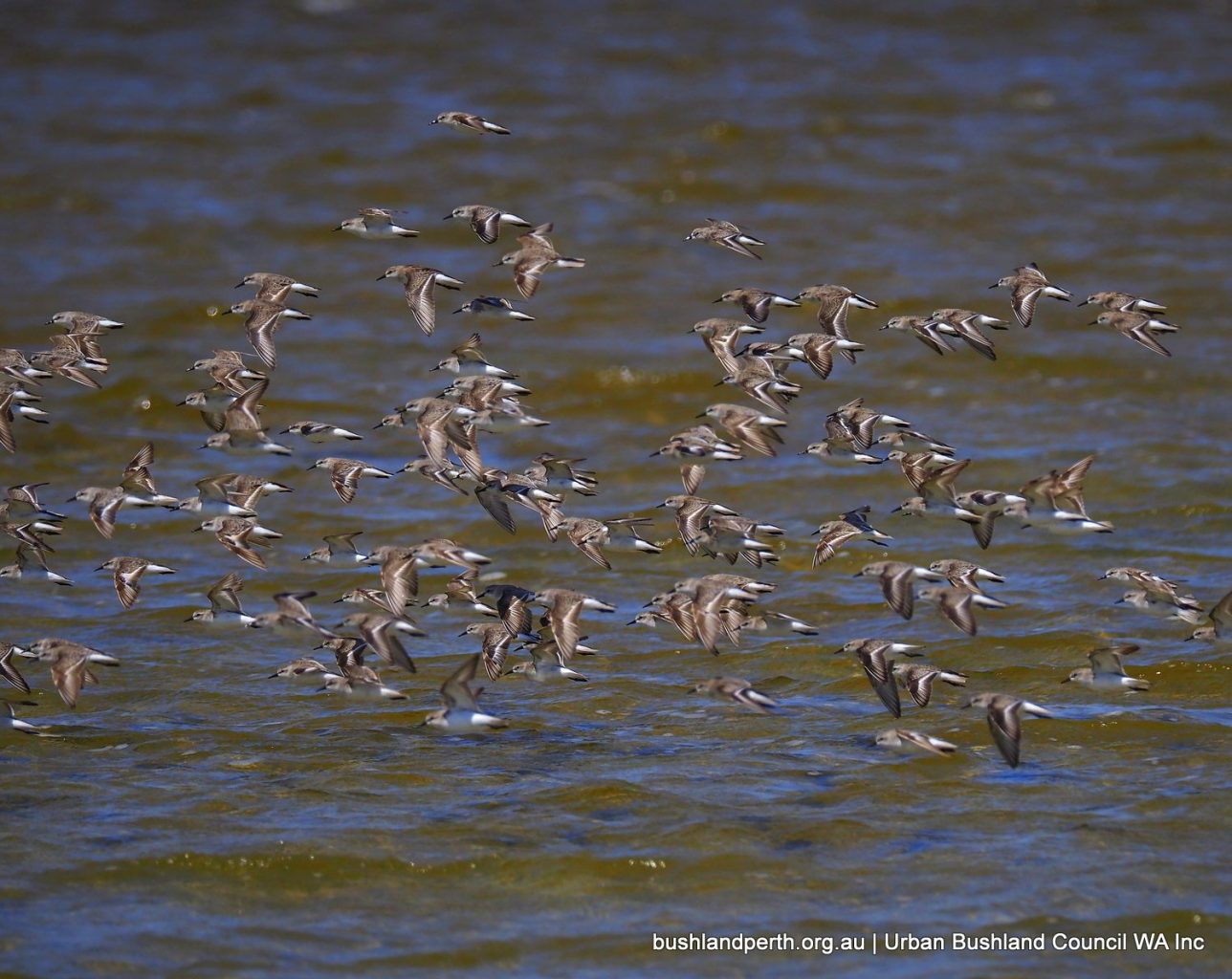
Red-necked Stints are Australia’s most common sandpiper, occasionally forming large flocks as here at Coodanup. RnS’s are summer trans equatorial migrants from the foothill tundras of arctic Siberia.
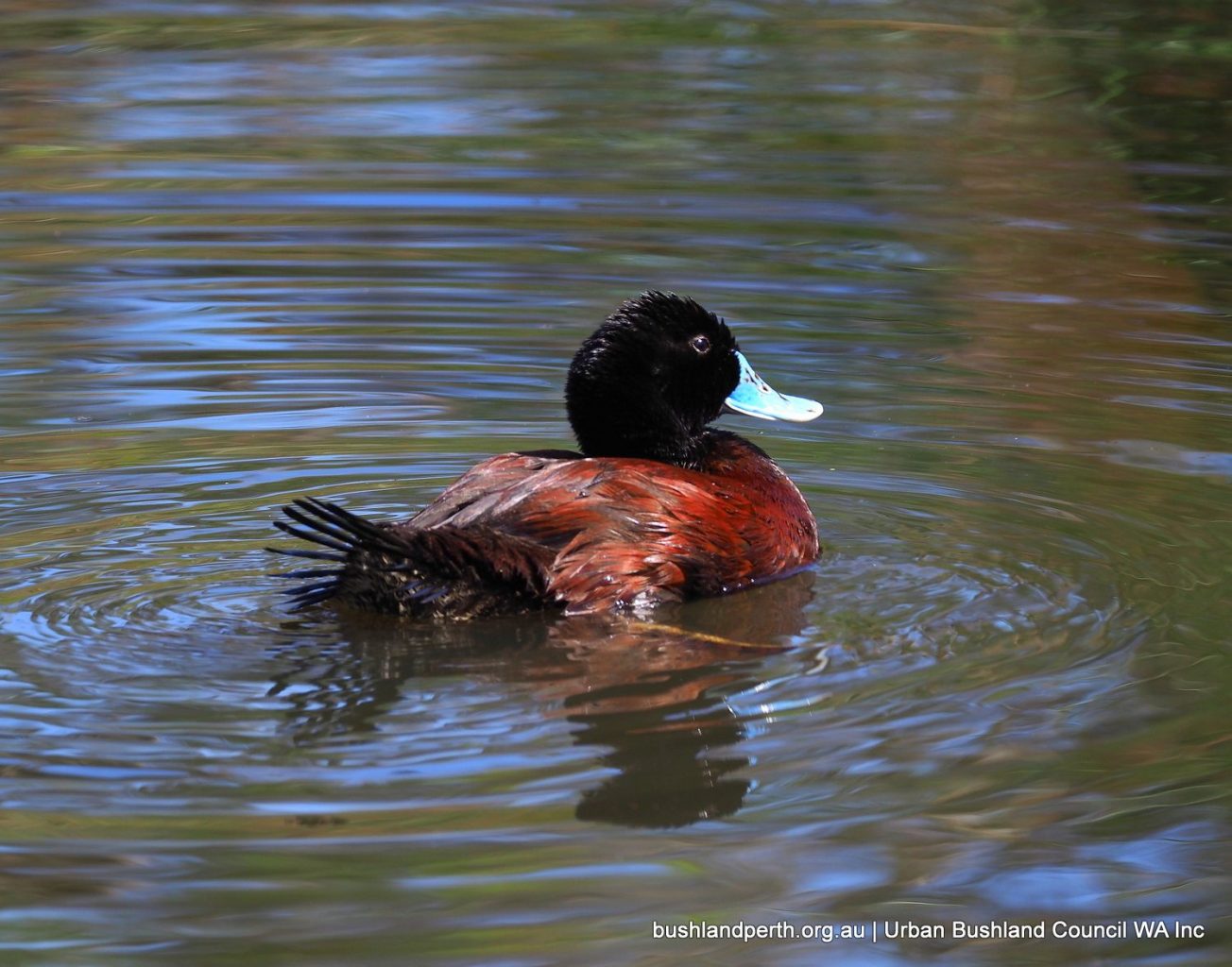
Blue-billed Duck at Baigup Wetlands. Blue-bills are wholly aquatic unless nesting and exclusively frequent deeper waters such as at Lake Monger.
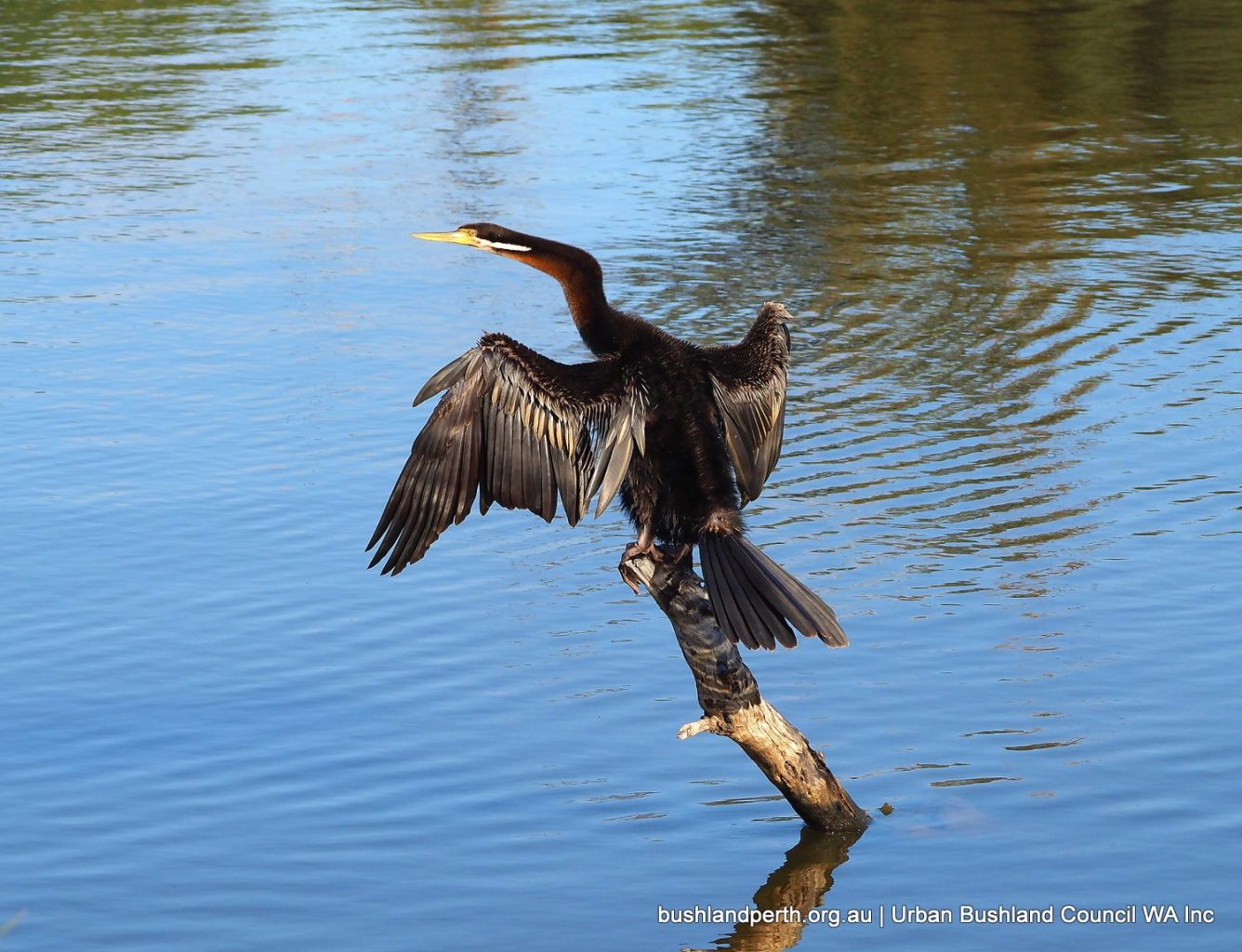
Australasian Darters are ubiquitous on Swan River perches and at deeper lakes such as Lake Monger. This one on the River at Ashfield Flats.
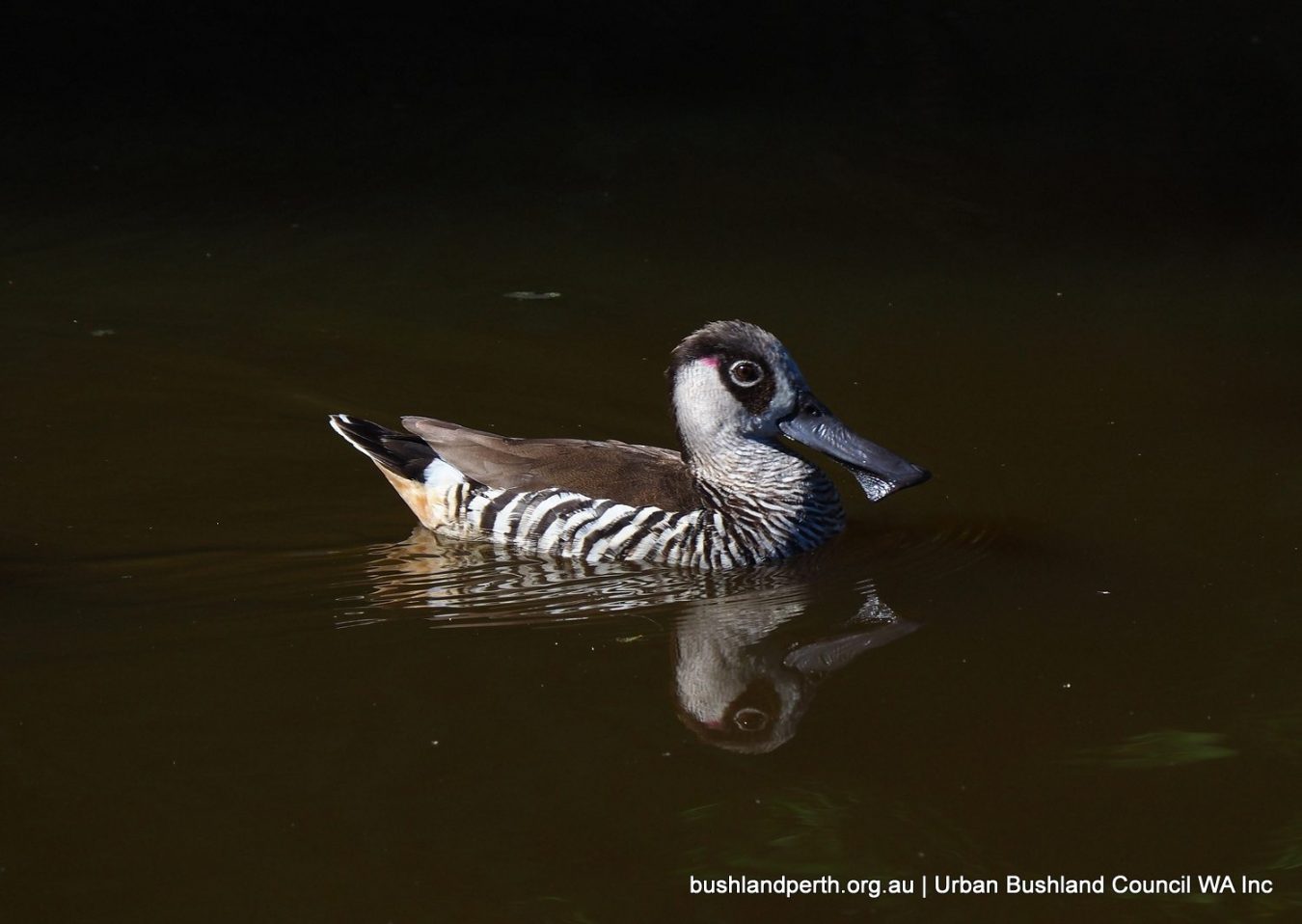
Pink-eared Duck at Lake Claremont. Pink eared’s are a nomadic bird that can ‘turn up’ anywhere; preferring shallow lakes and swamps. They are reasonably common in the Perth metro, and have at times been seen in hundreds on Lake Monger.
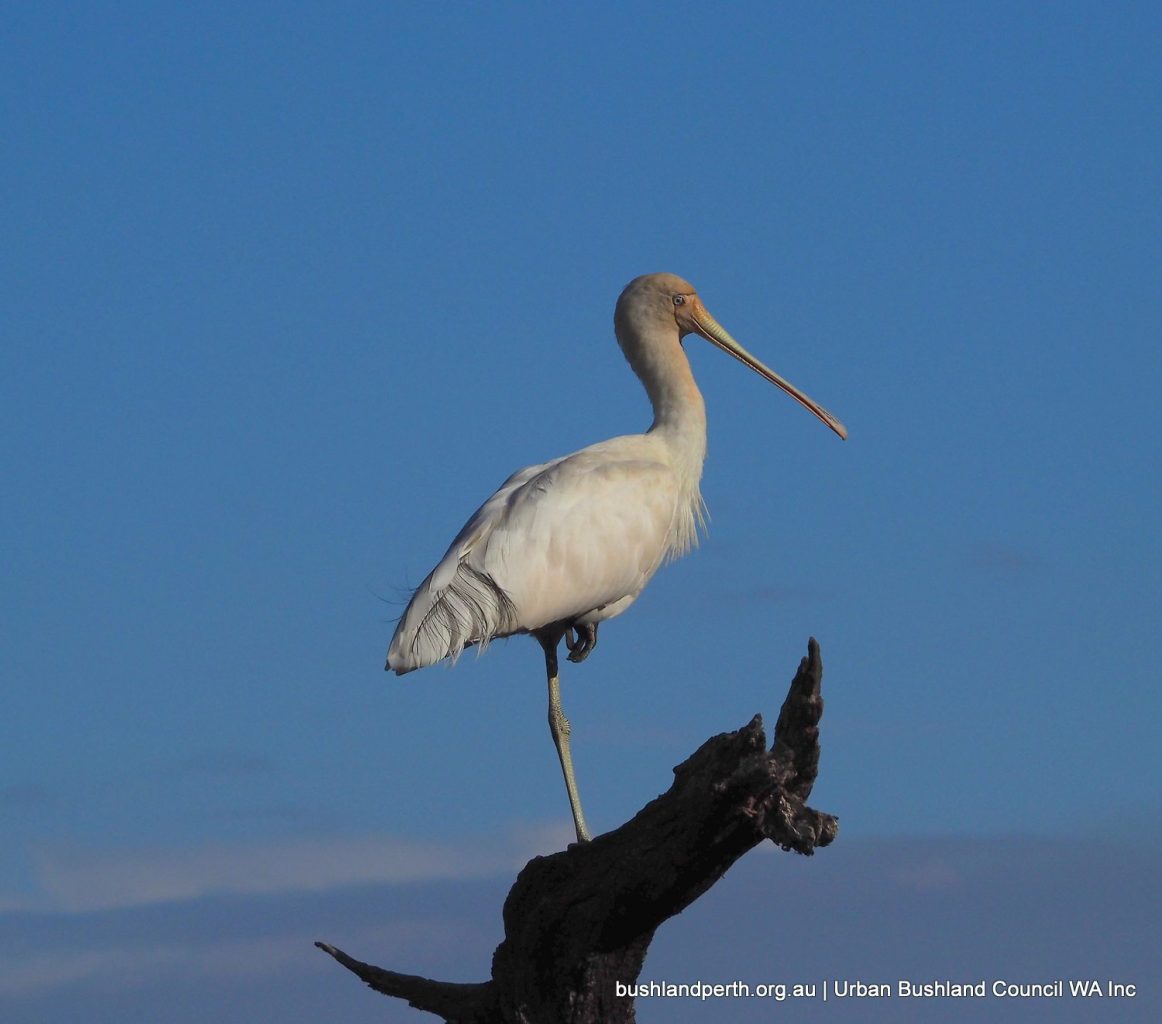
Yellow-billed Spoonbill is Perth’s only Spoonbill; relatively common on shallow waters sifting for invertebrates. This one was at Ashfield Flats.
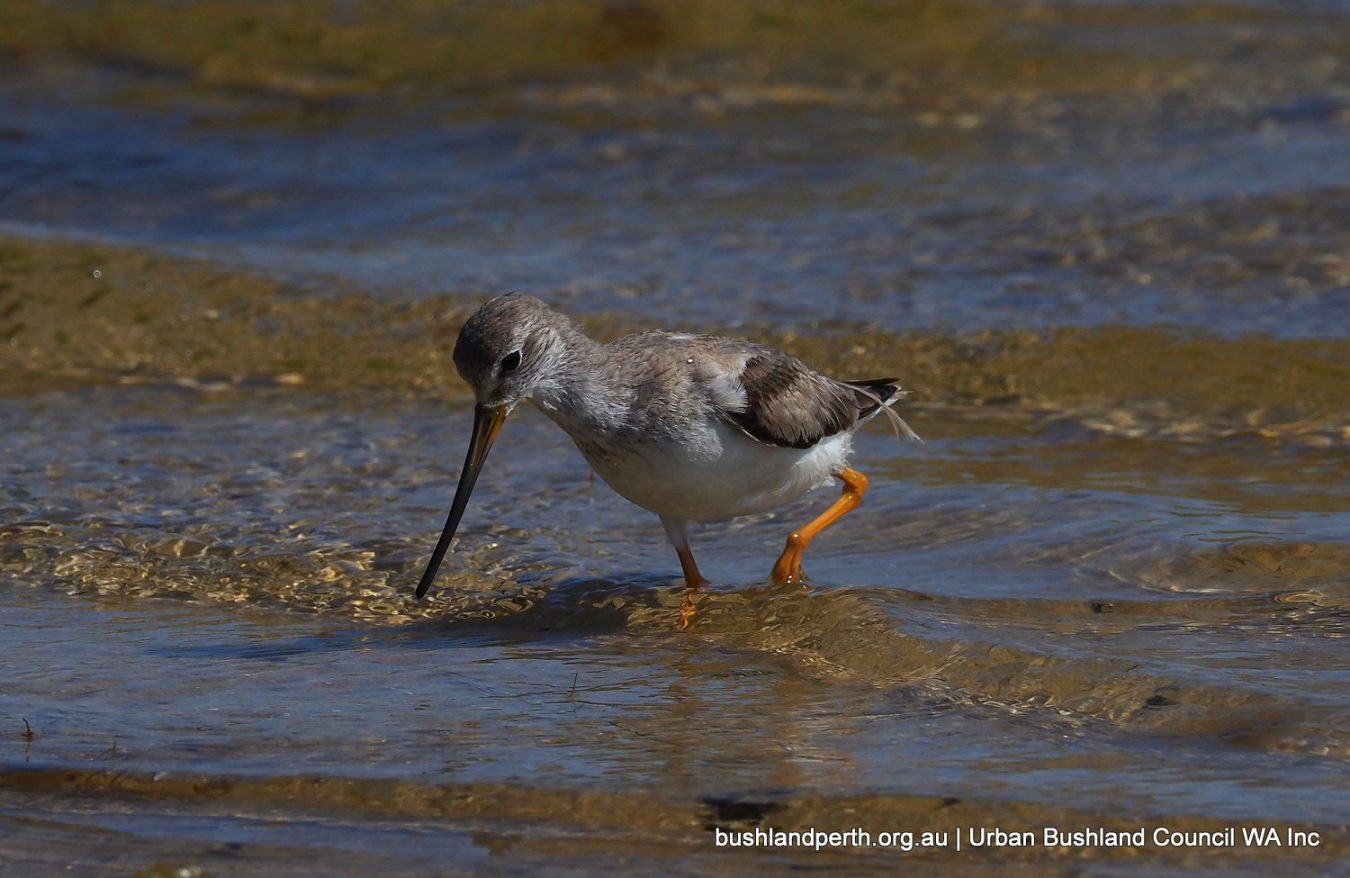
Terek Sandpipers are summer migrants from rivers and lakes in northern Siberia. Occasional birds can be found on aquatic shorelines as here at Point Walter Spit.
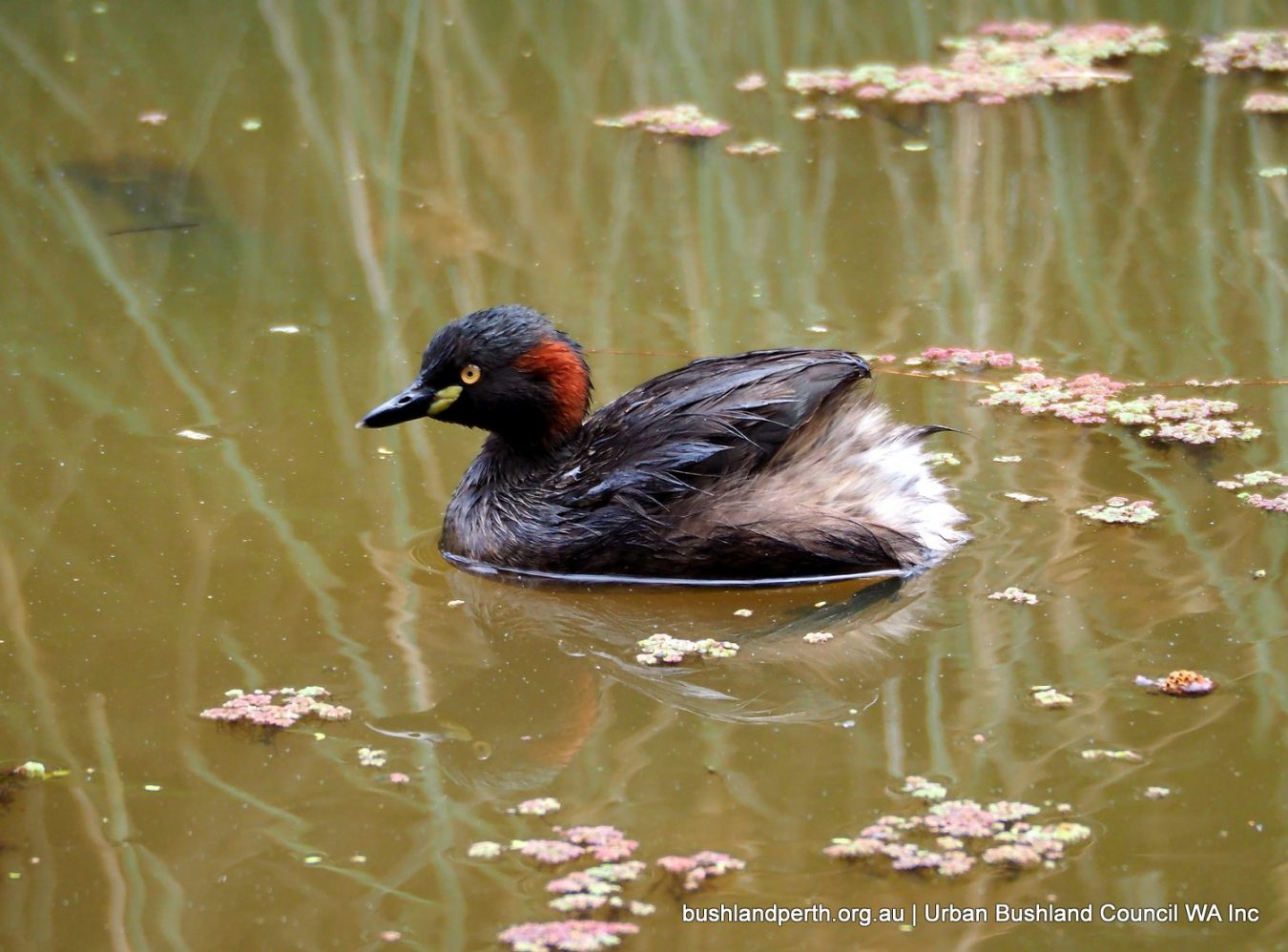
Australian Grebes are commonly known as dabchicks. By far Perth’s most common grebe and can easily be found on waters deep enough to allow diving for aquatic plants. Here at Baigup Wetlands.
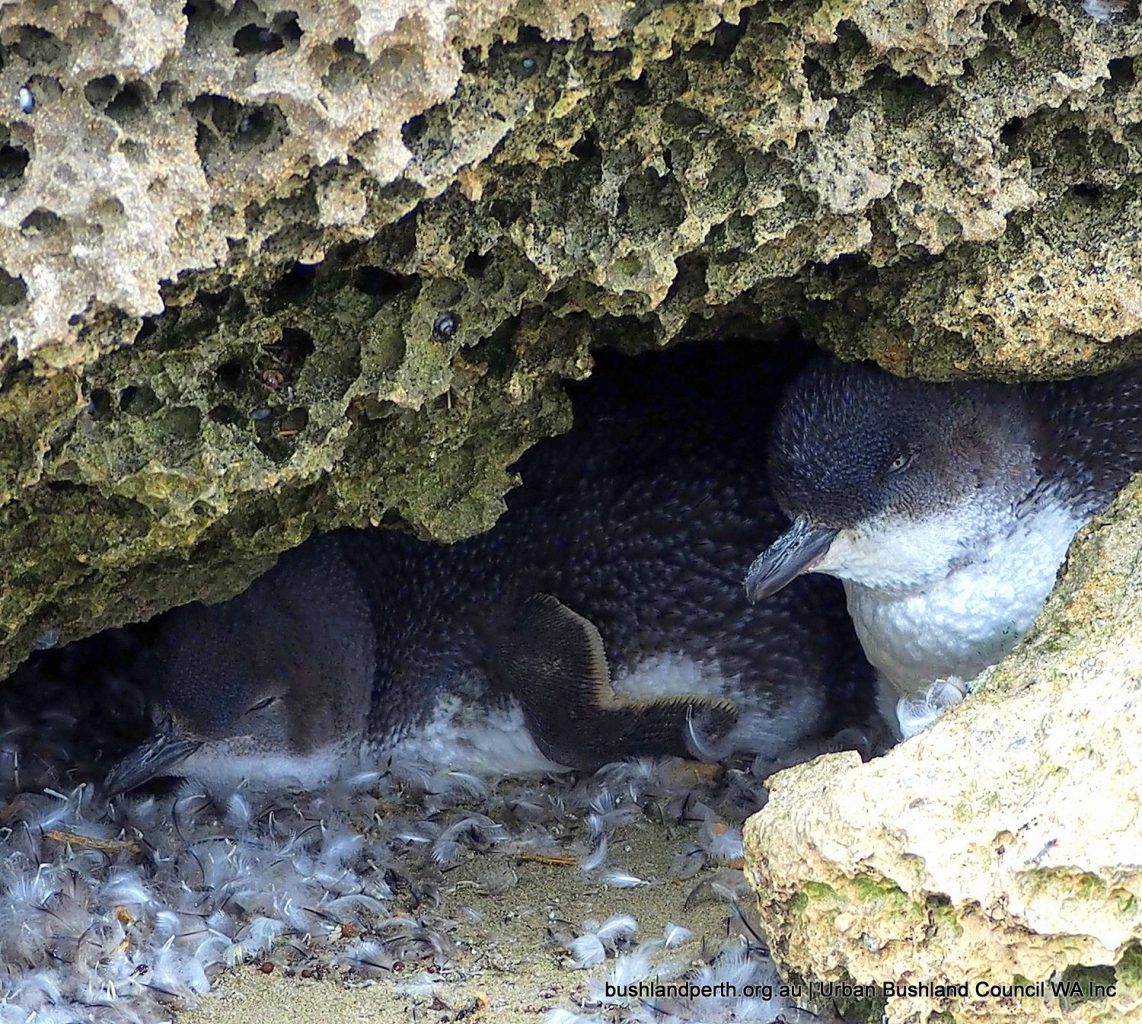
Little Penguin at Penguin Island. While not actually a wetland, the Island is a critical urban bushland breeding refuge for a number of seabirds; particularly Little Penguins and Bridled Terns.
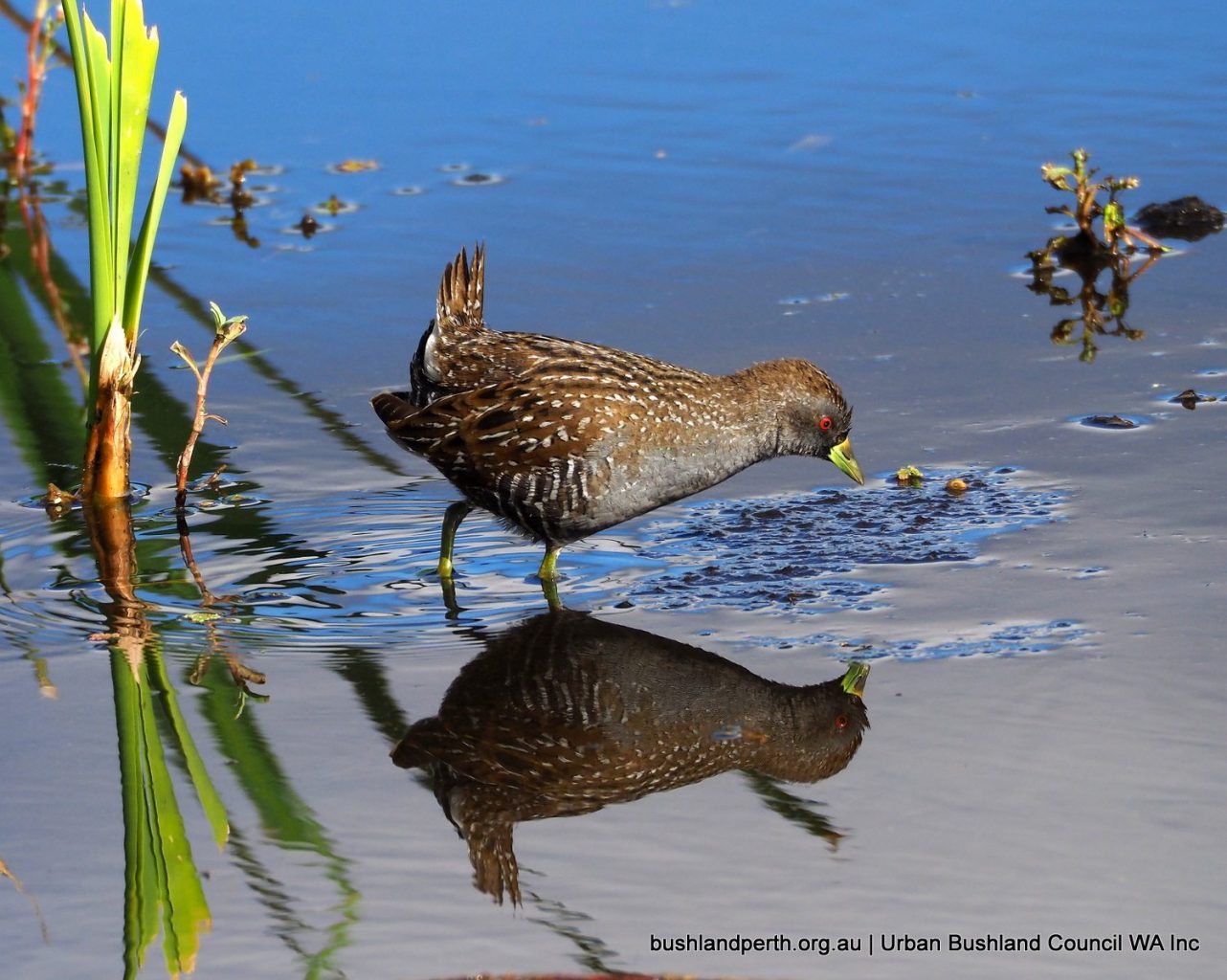
Australian Spotted Crake. This is Perth’s most ‘common’ crake, but is elusive and hard to find. Look for them on mud flats at reed margins. this bird was photographed at Bibra Lake.
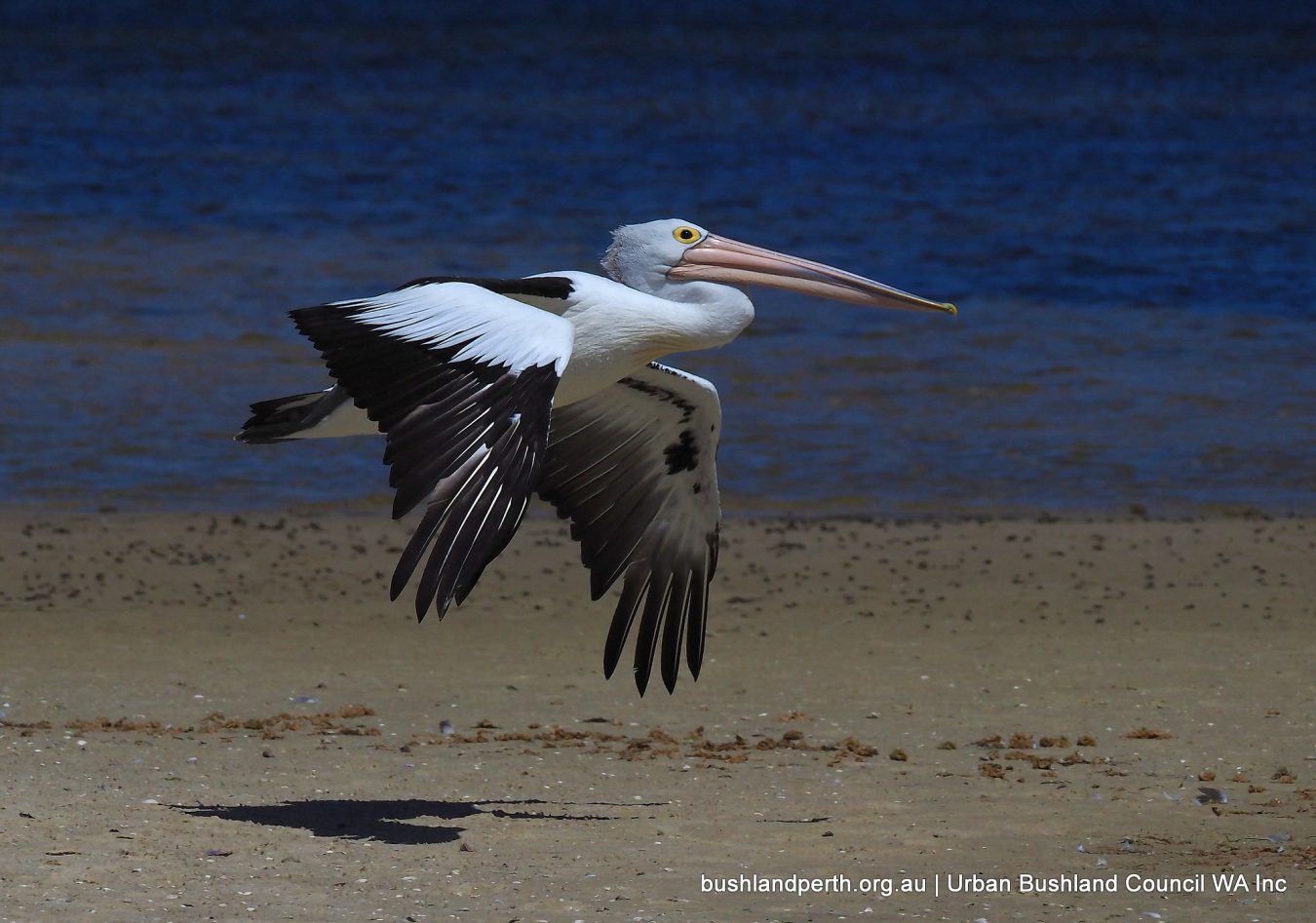
Australian Pelican are ubiquitous anywhere on the River, and on many wetlands. Here flying low at Point Walter Spit.
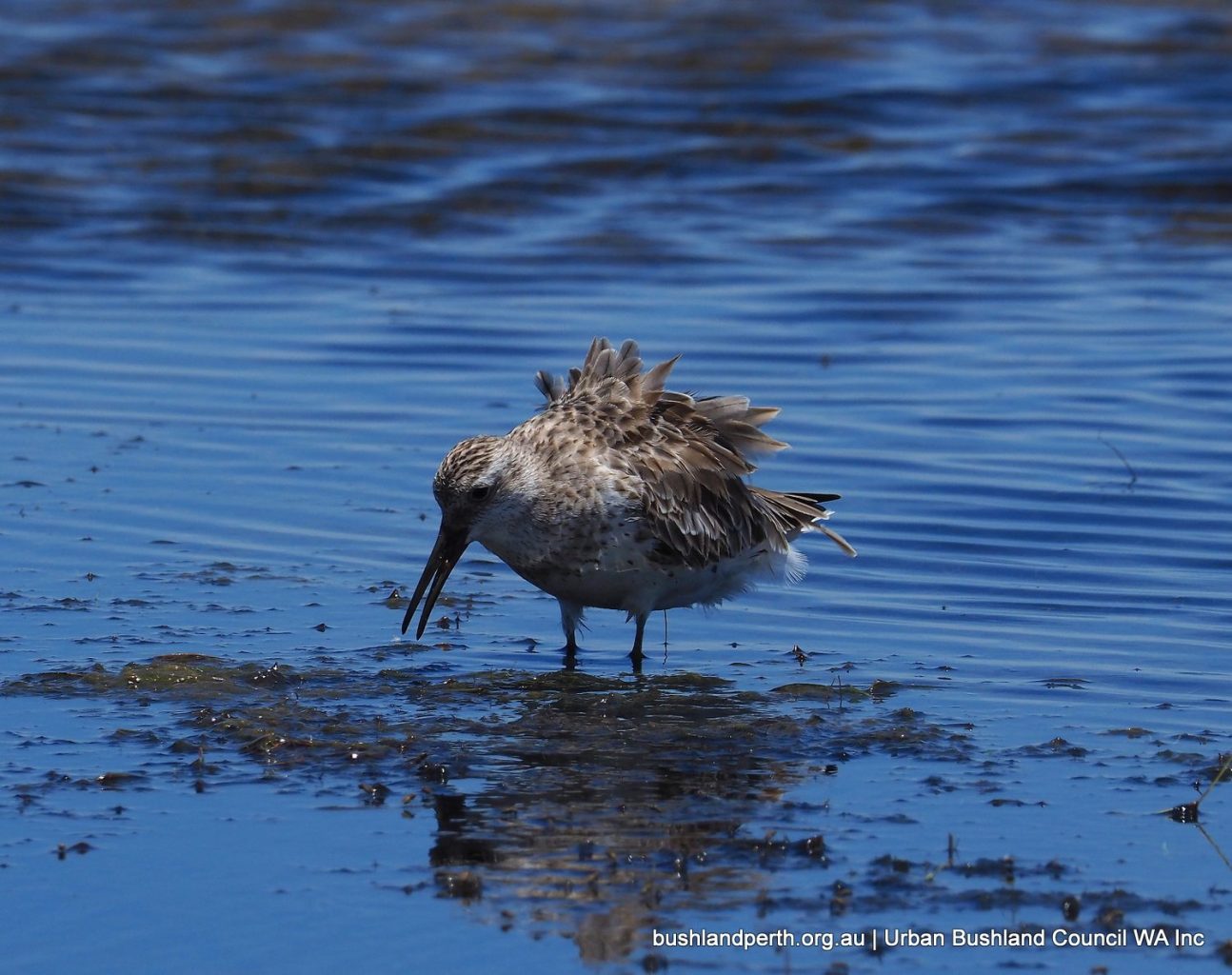
Great Knots are an endangered trans equatorial migrant from the Arctic. Their plight results from their mid journey feeding stop being badly encroached upon by developments on the tidal flats of the Yellow Sea. Pictured at Coodanup.
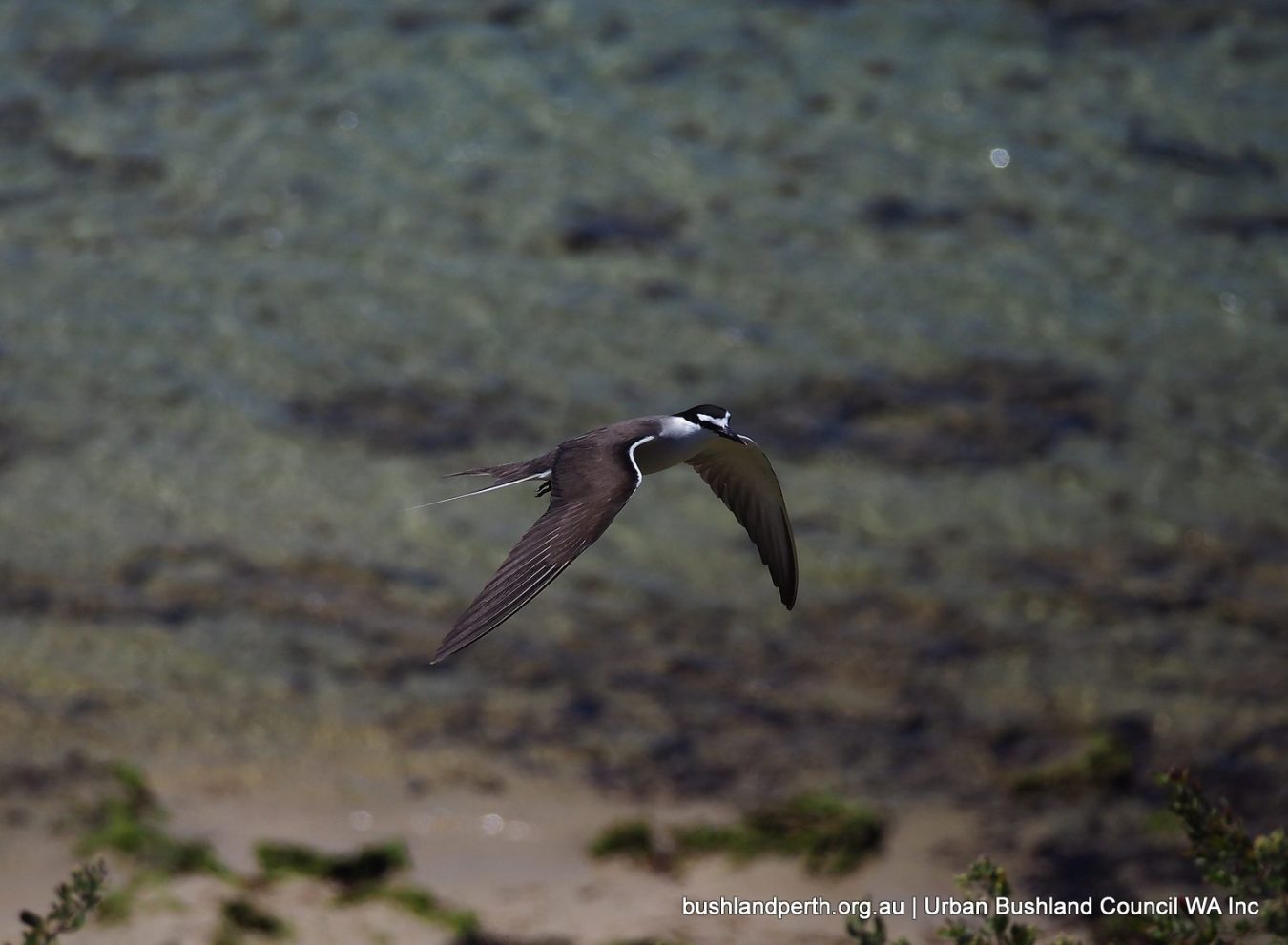
The tropical Bridled Tern breeds at Penguin Island.
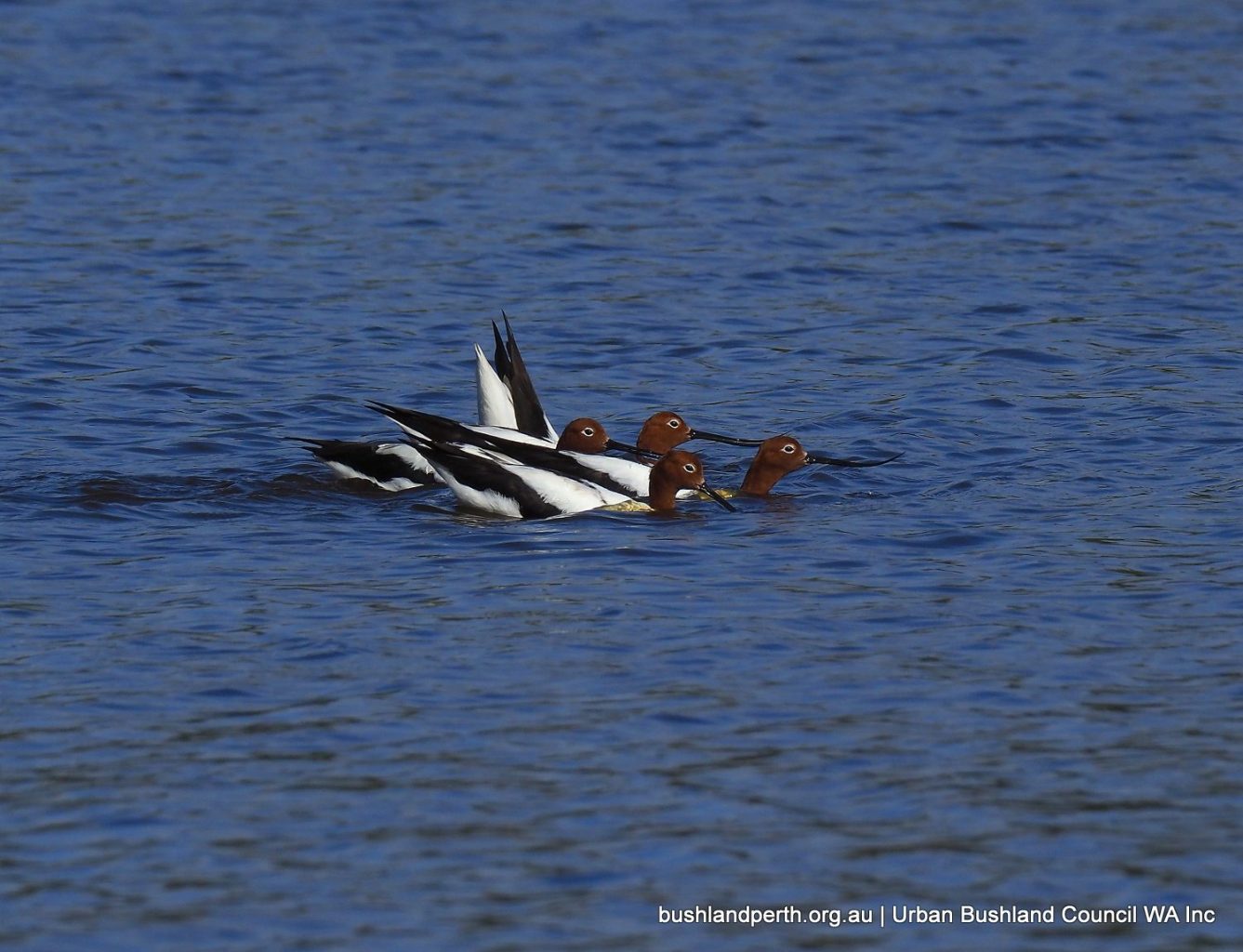
Red-necked Avocets swimming and feeding at Lake Claremont. Avocets are an Australian endemic; a gregarious bird often seen in company with other waders.
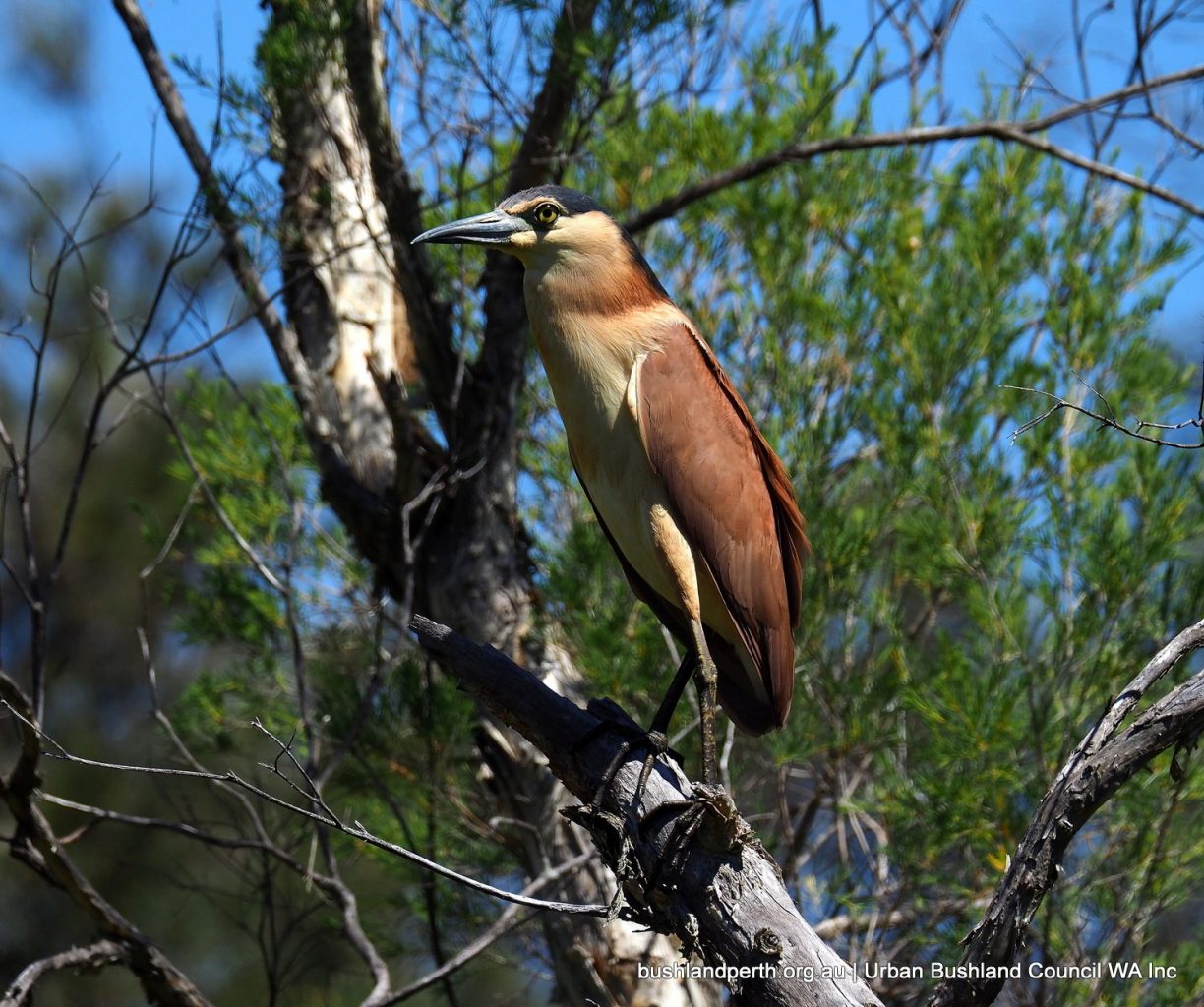
Nankeen Night-herons are a beautifully coloured bird. Quite common but can take some finding due to their immobile posture. This bird at Baigup Wetlands.
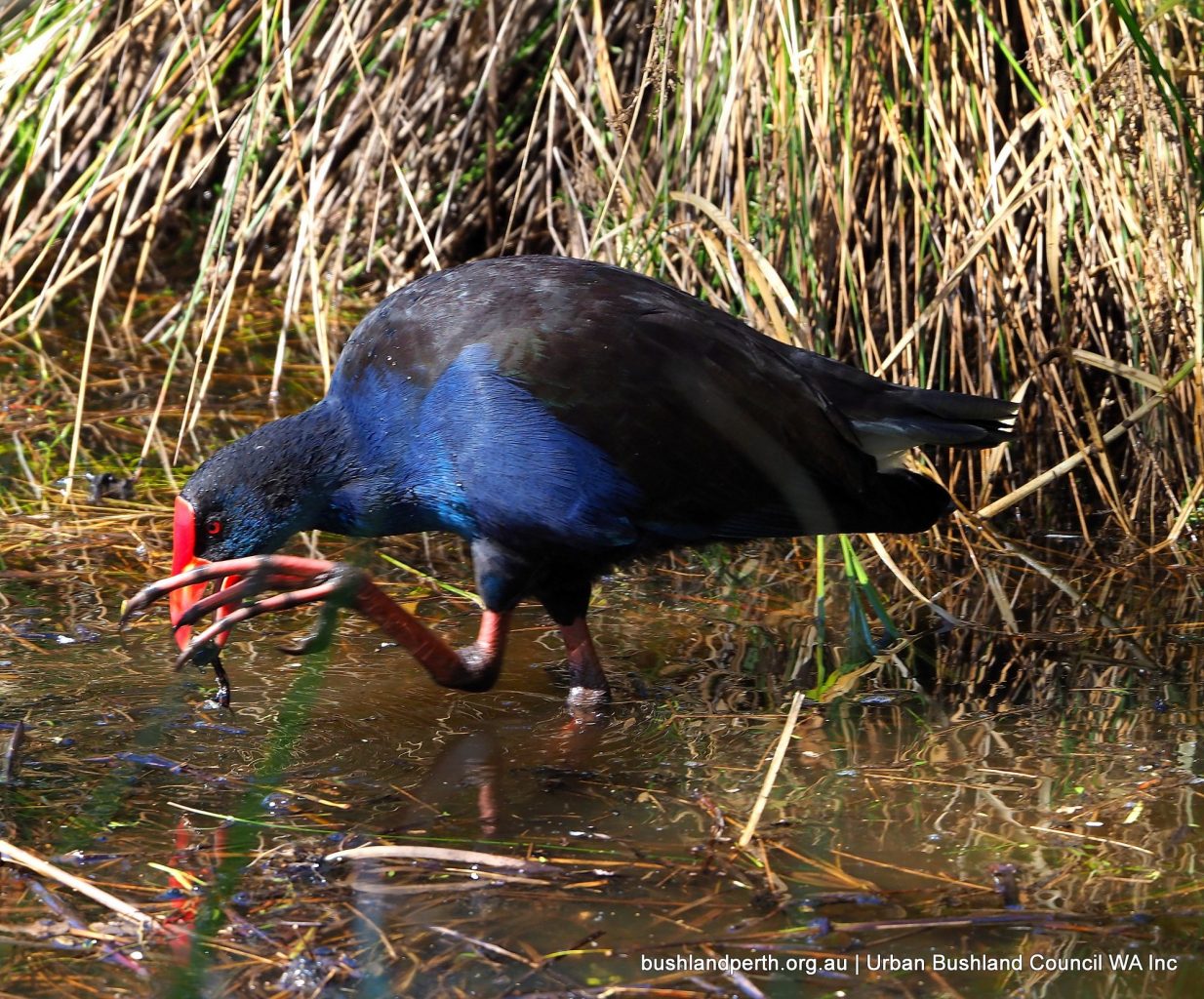
Purple Swamphens can be seen all year round at Baigup Wetlands, as at most other urban wetland locations. A very common bird.
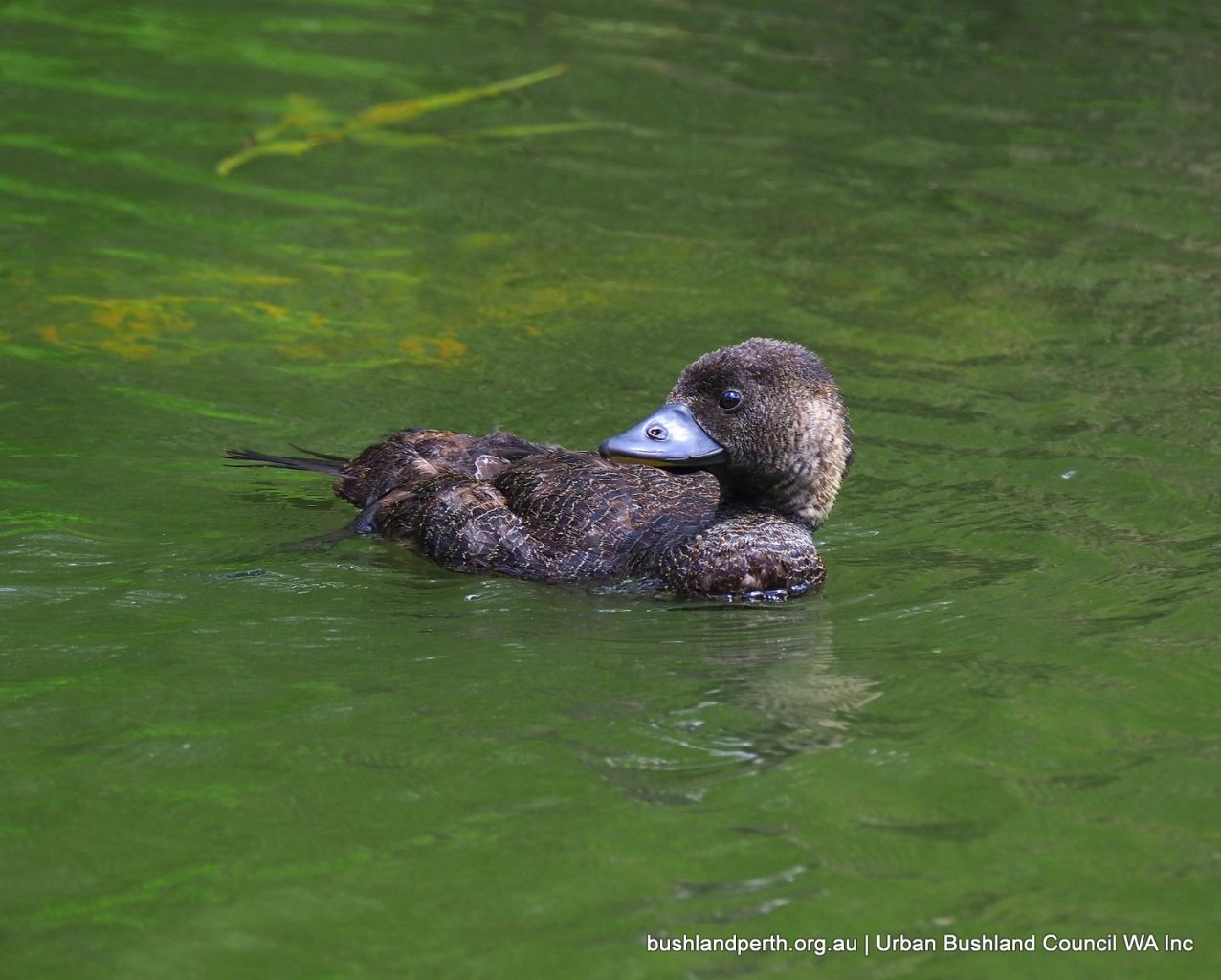
Musk Ducks inhabit deep freshwaterwetlands holding patches of dense aquatic vegetation, as here, at Lake Monger.
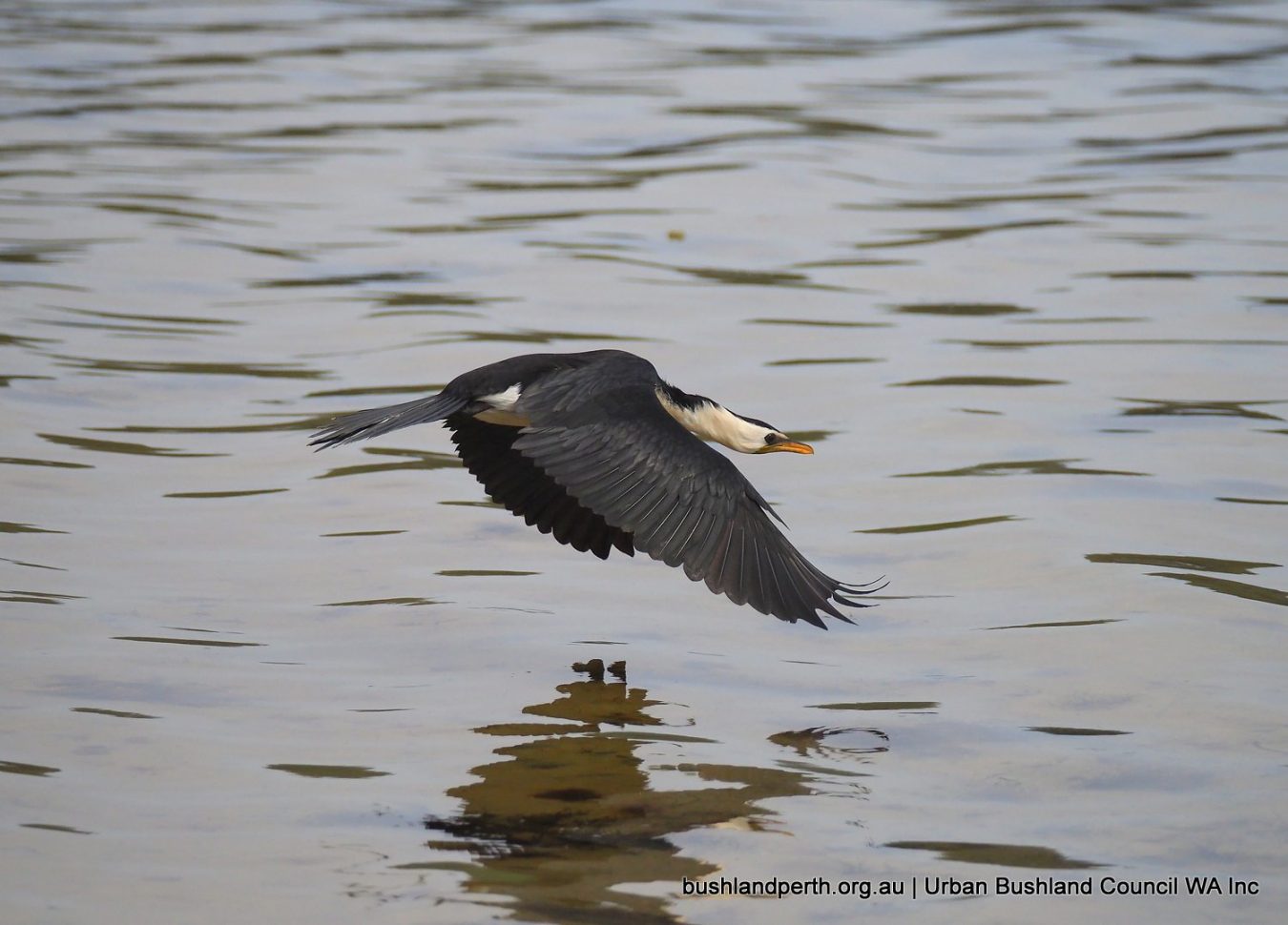
Little Pied Cormorant photographed at Point Walter Spit. These birds are probably Parth’s most common riverine and wetland cormorant.
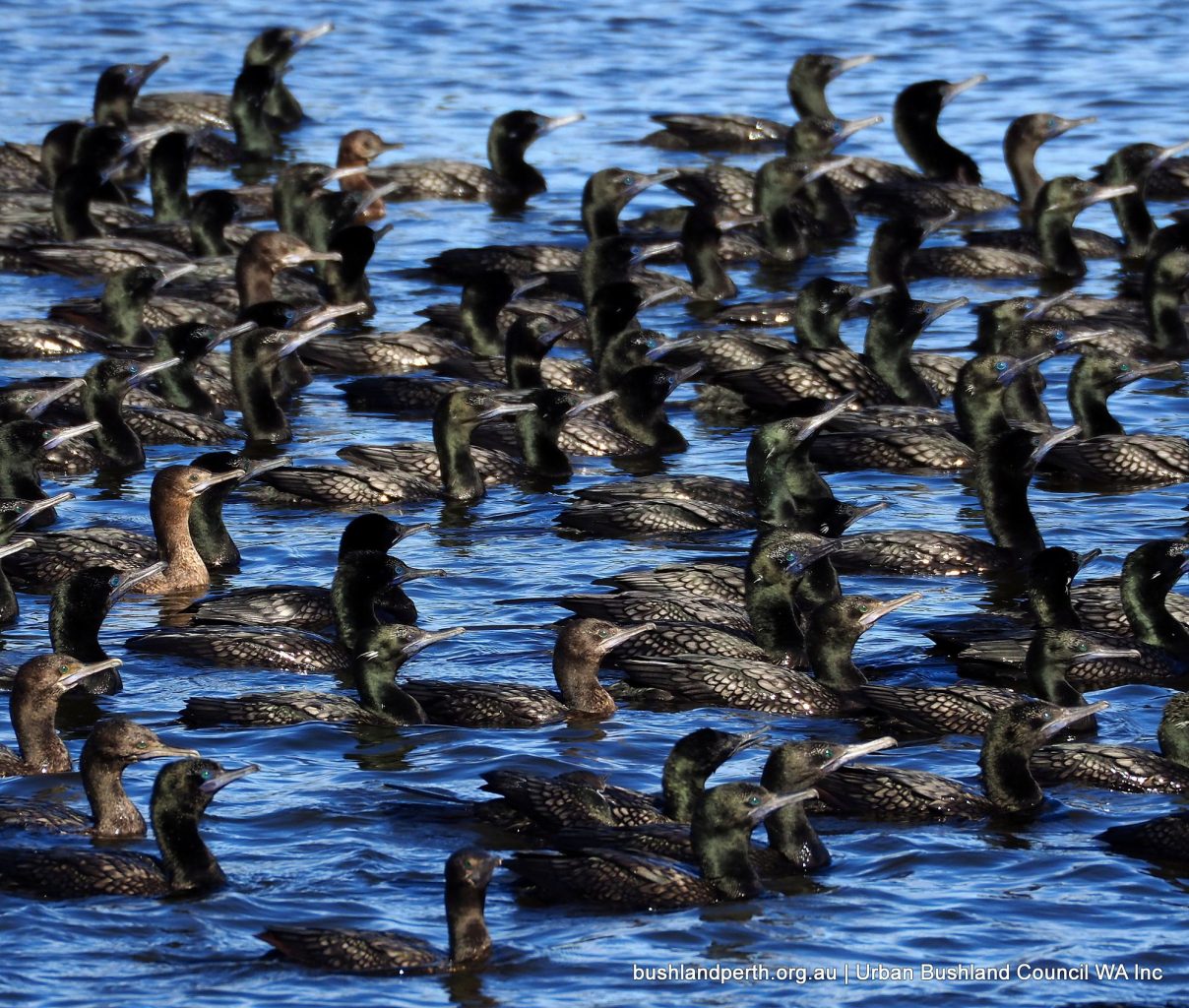
Little Black Cormorants can sometimes be seen in flocks of hundreds as here on the River at Kings Meadow Reserve, Guildford. These cormorants also frequent deeper lakes such as Lake Monger.
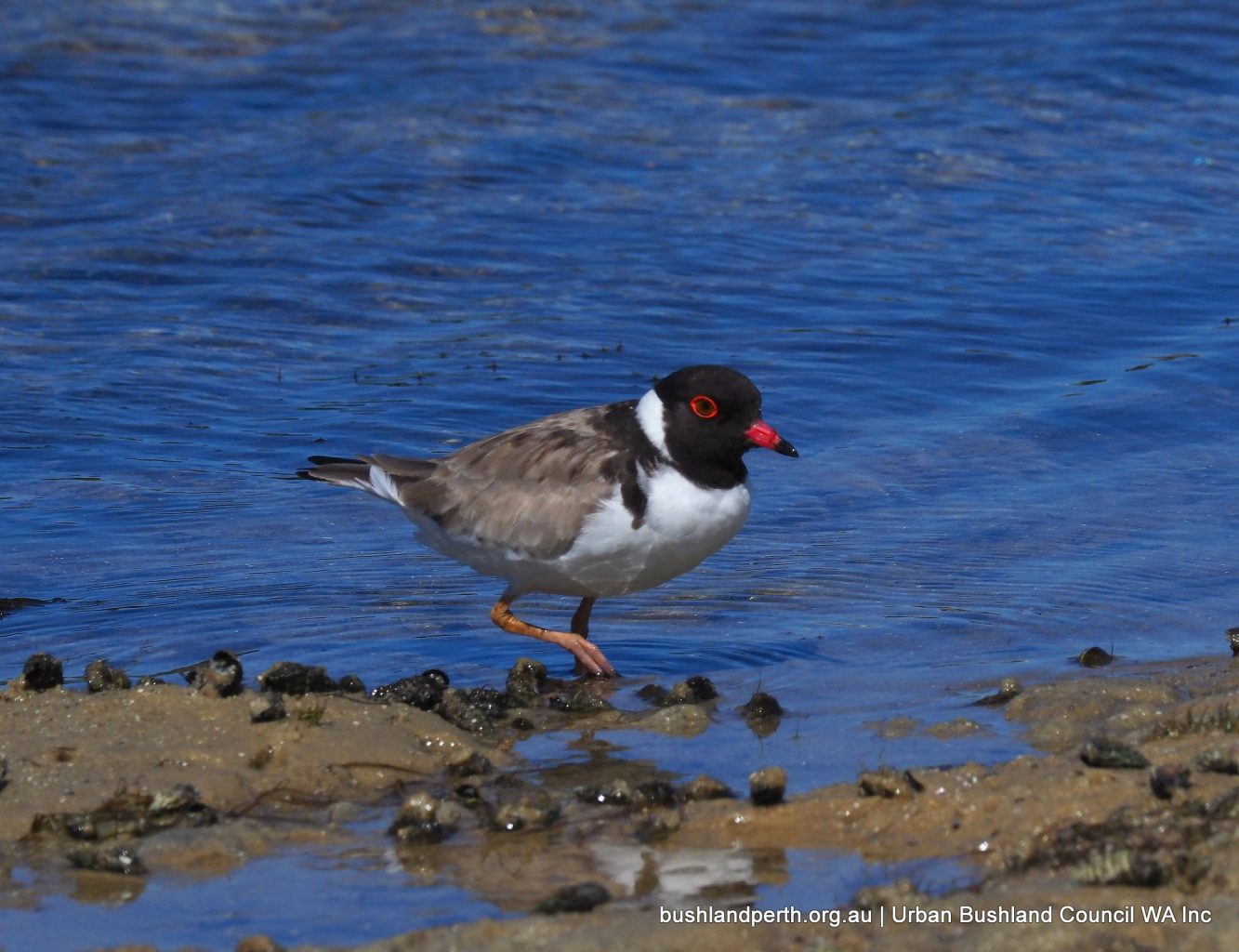
Hooded Plovers are listed as vulnerable due to their habit of nesting on beaches frequented by human users such as four wheel drivers. They are an uncommon bird in the Perth metro but can occasionally be seen, as here at Point Walter Spit.
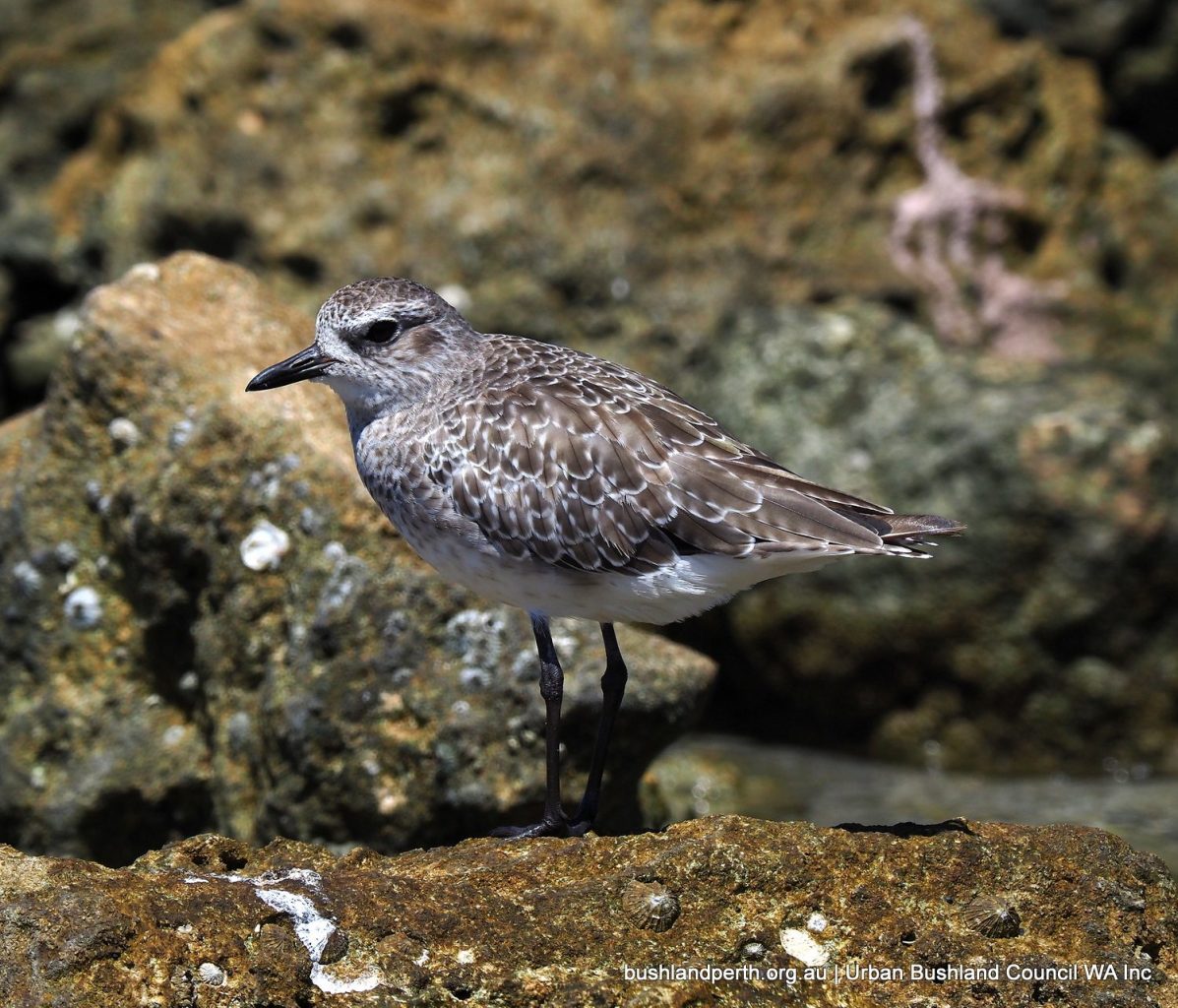
Grey Plovers are another trans equatorial migrant, this time from the high Arctic. They can be found on coastal beaches and wetlands holding sandy margins. This bird was at Woodman Point.
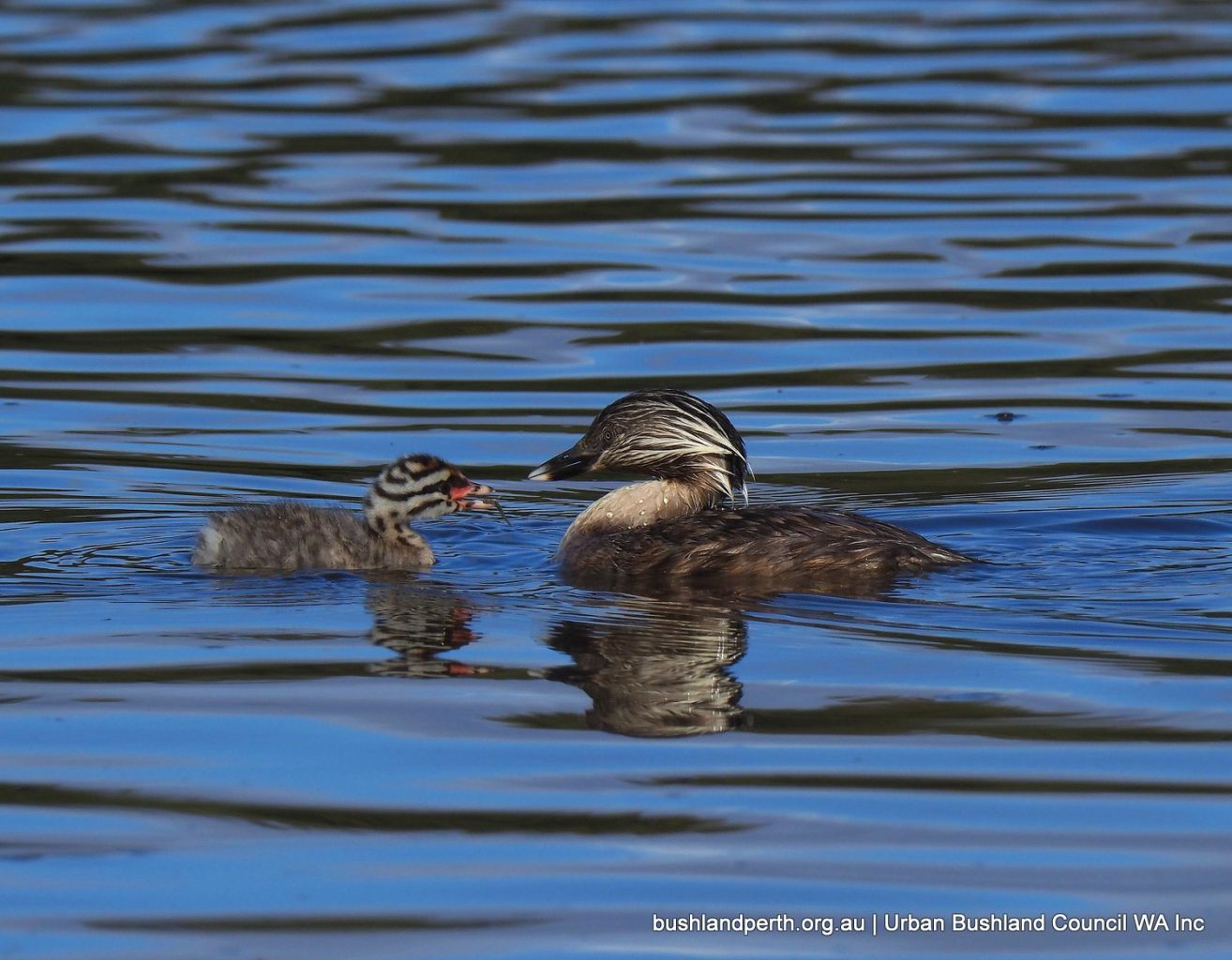
Hoary Headed Grebe with chick at Lake Claremont. Hoaries are Perth’s least common grebe. Best place to find may be Lake Monger but their occurrence there is somewhat random.
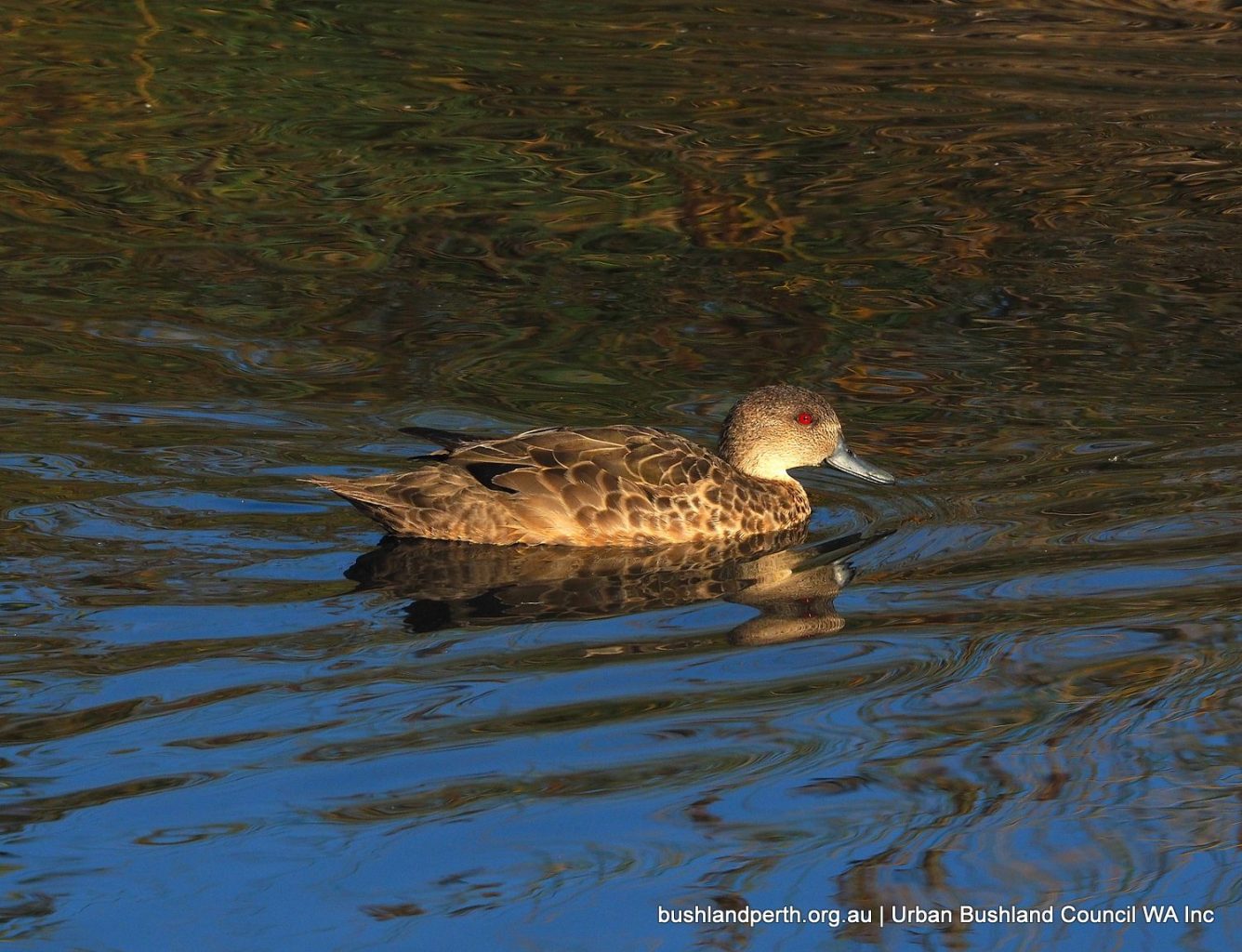
Grey Teal at Point Fraser, Perth. Grey Teal are quite common in urban areas and can be seen at most wetlands holding water.
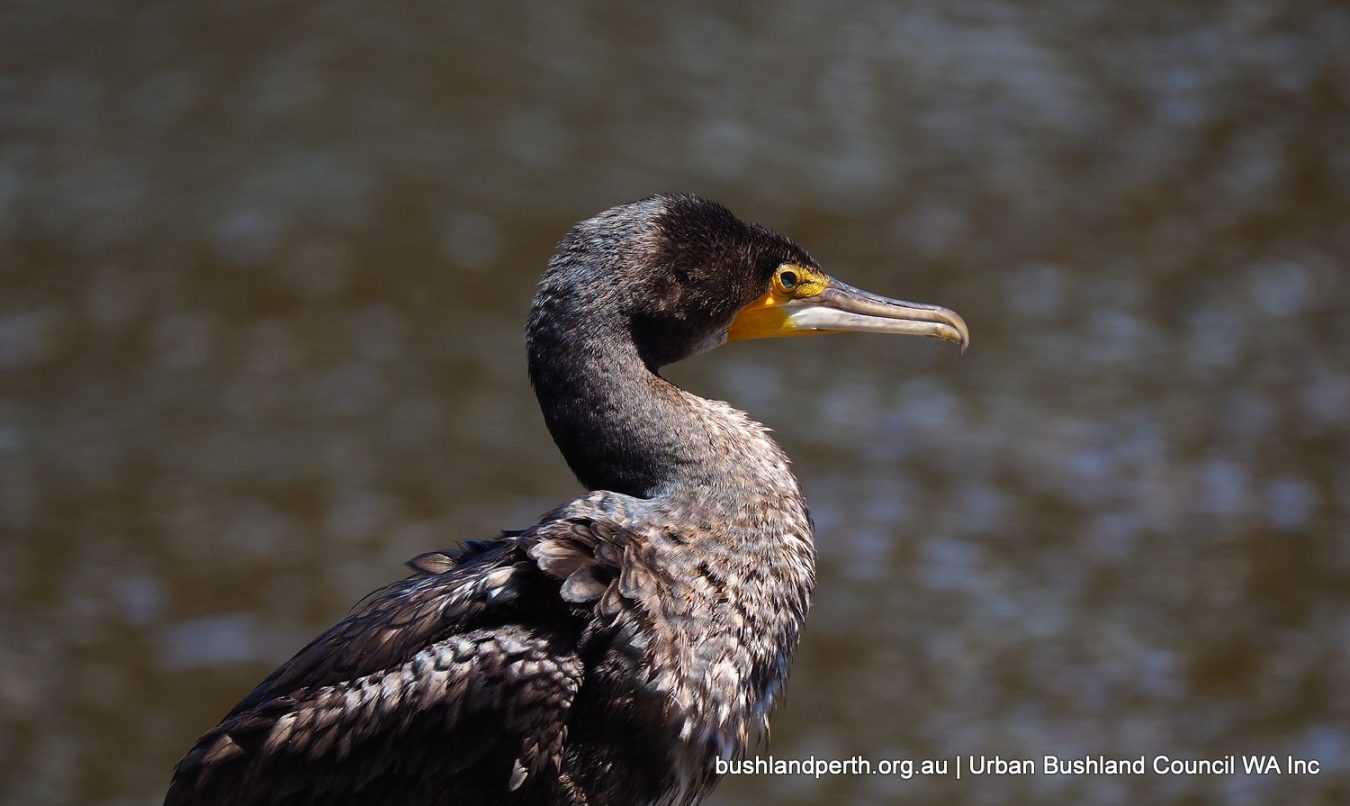
Great Cormorant on the River at Garvey Park. These birds are almost always found in Perth along the Swan River, although they have been sighted at deep wetlands like Lake Monger.
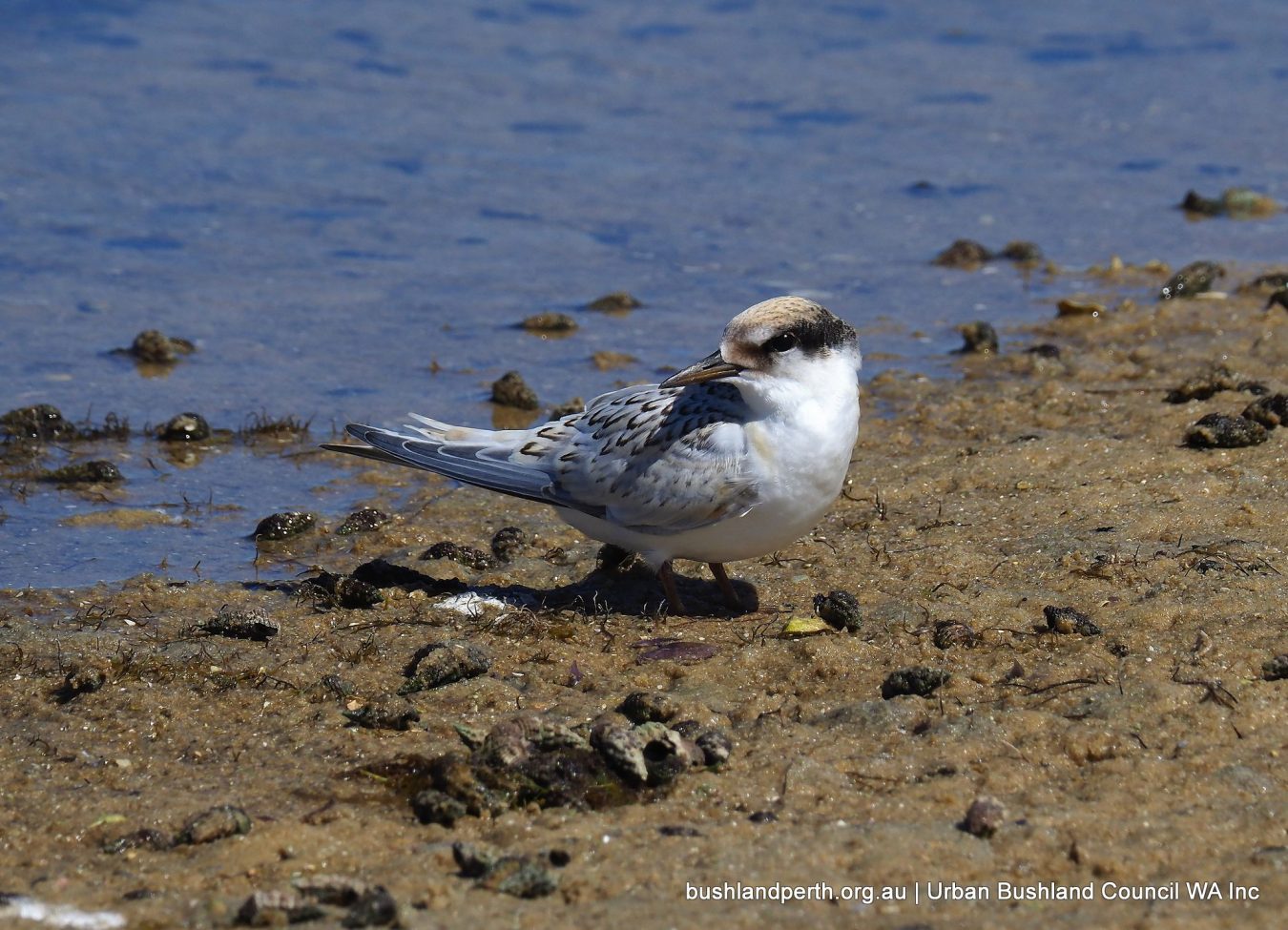
Juvenile Fairy Tern. Fairy Terns are listed as vulnerable as their preferred coastal breeding sites often conflict with human use. This bird was successfully raised at Point Walter Spit, where recreational use by visitors had been zoned off.
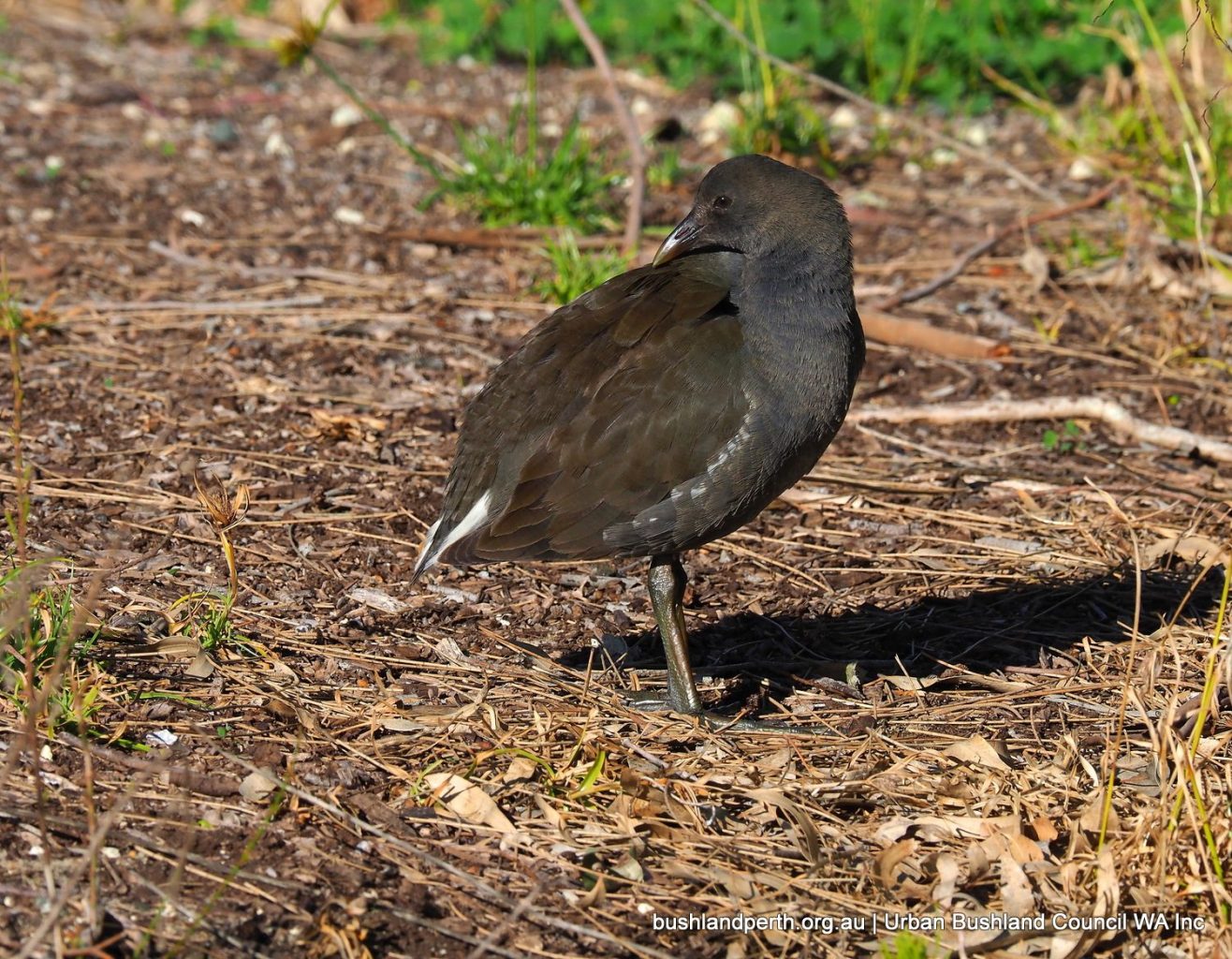
Dusky Moorhen, one of Perth’s most common waterfowl. These birds can be found on any wetland, usually in good numbers. Here at Lake Monger.
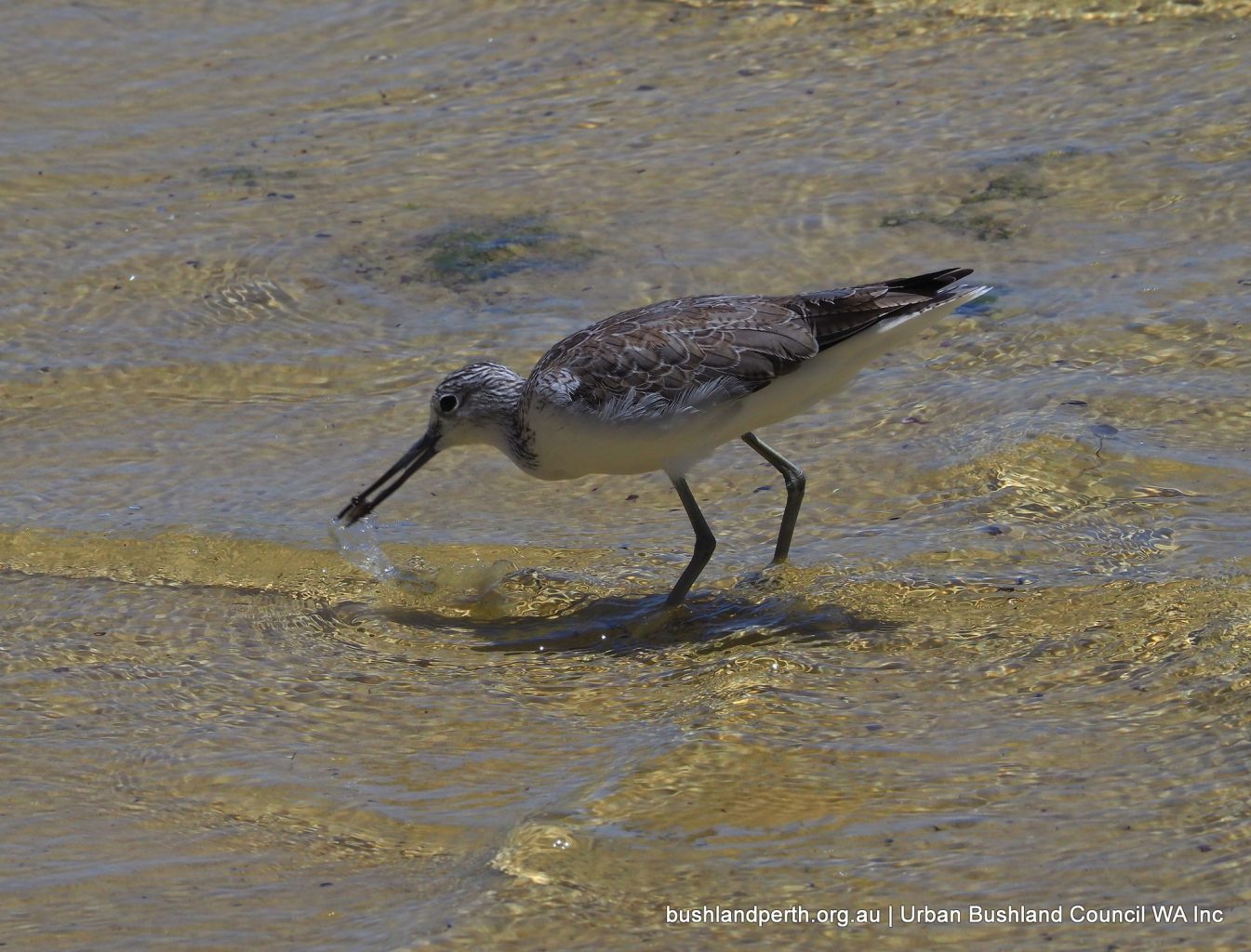
Common Greenshanks are summer migrants from Siberia; this one at the Applecross Foreshore.
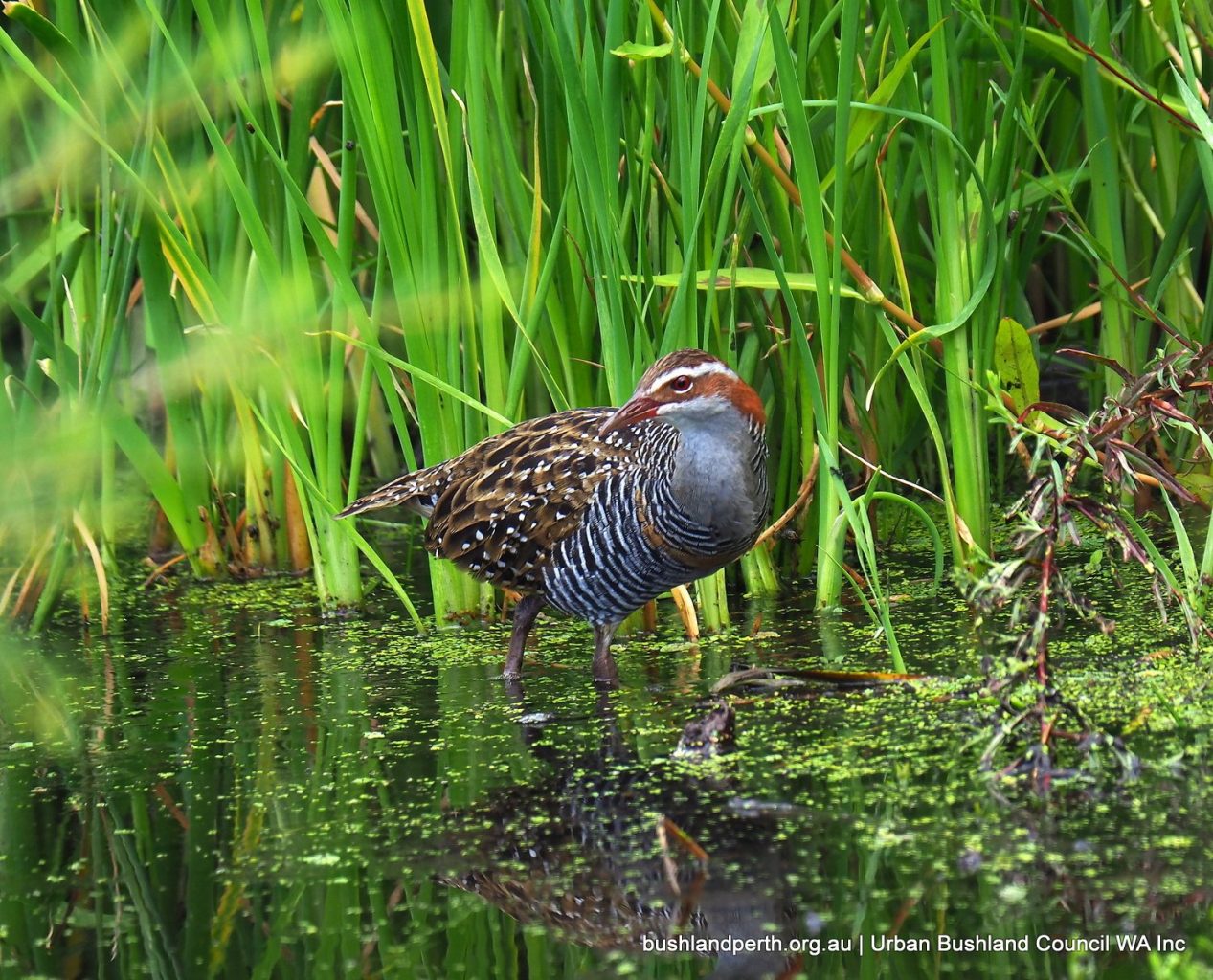
Buff-banded Rails are not quite as secretive as the crakes, but are similarly difficult to find. Probably reasonably common in suitable ‘reeds with mudflats’ habitat. Here at Baigup Wetlands.
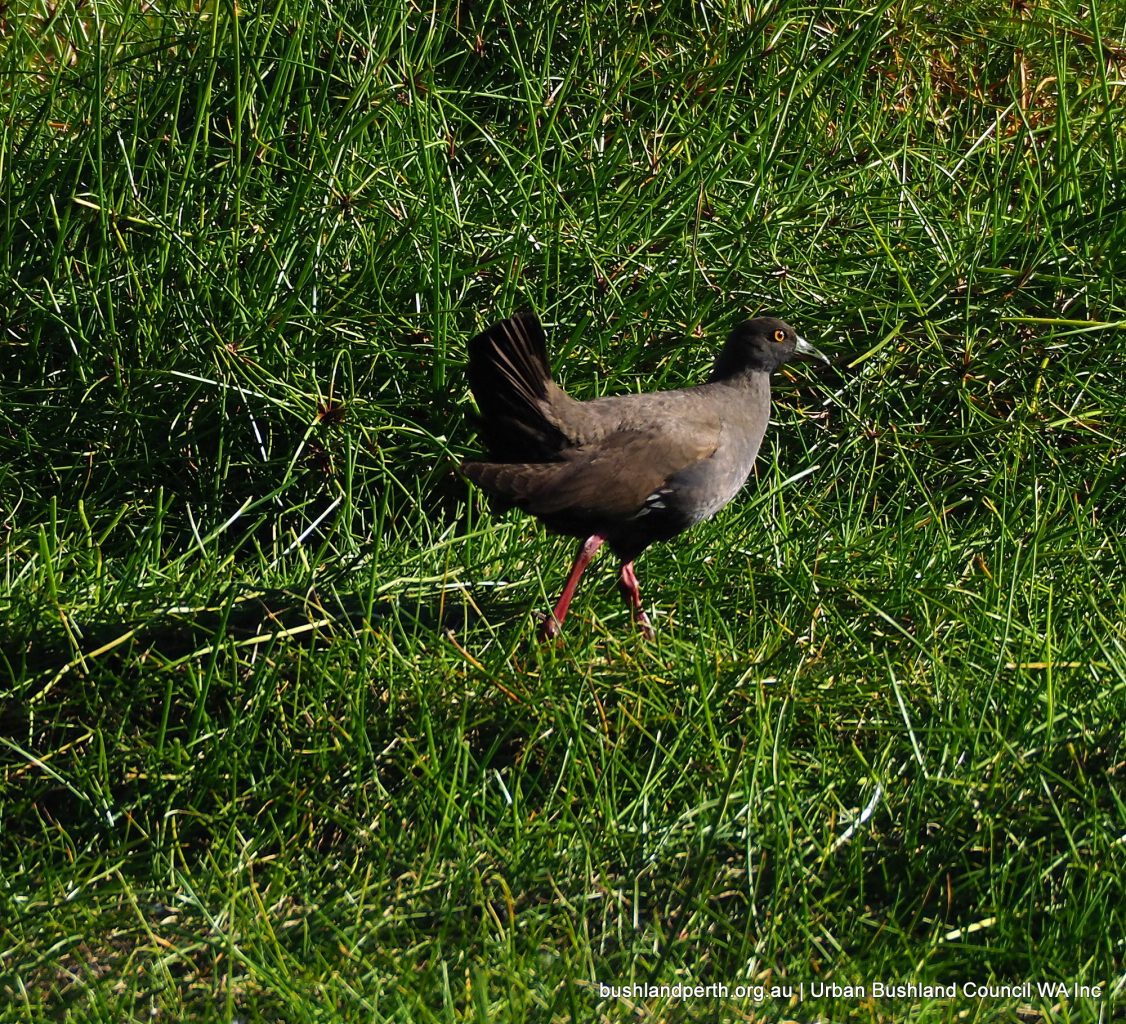
Black-tailed Native Hens are nomadic and can appear and disappear on any urban wetland. Here at Yanchep National Park.
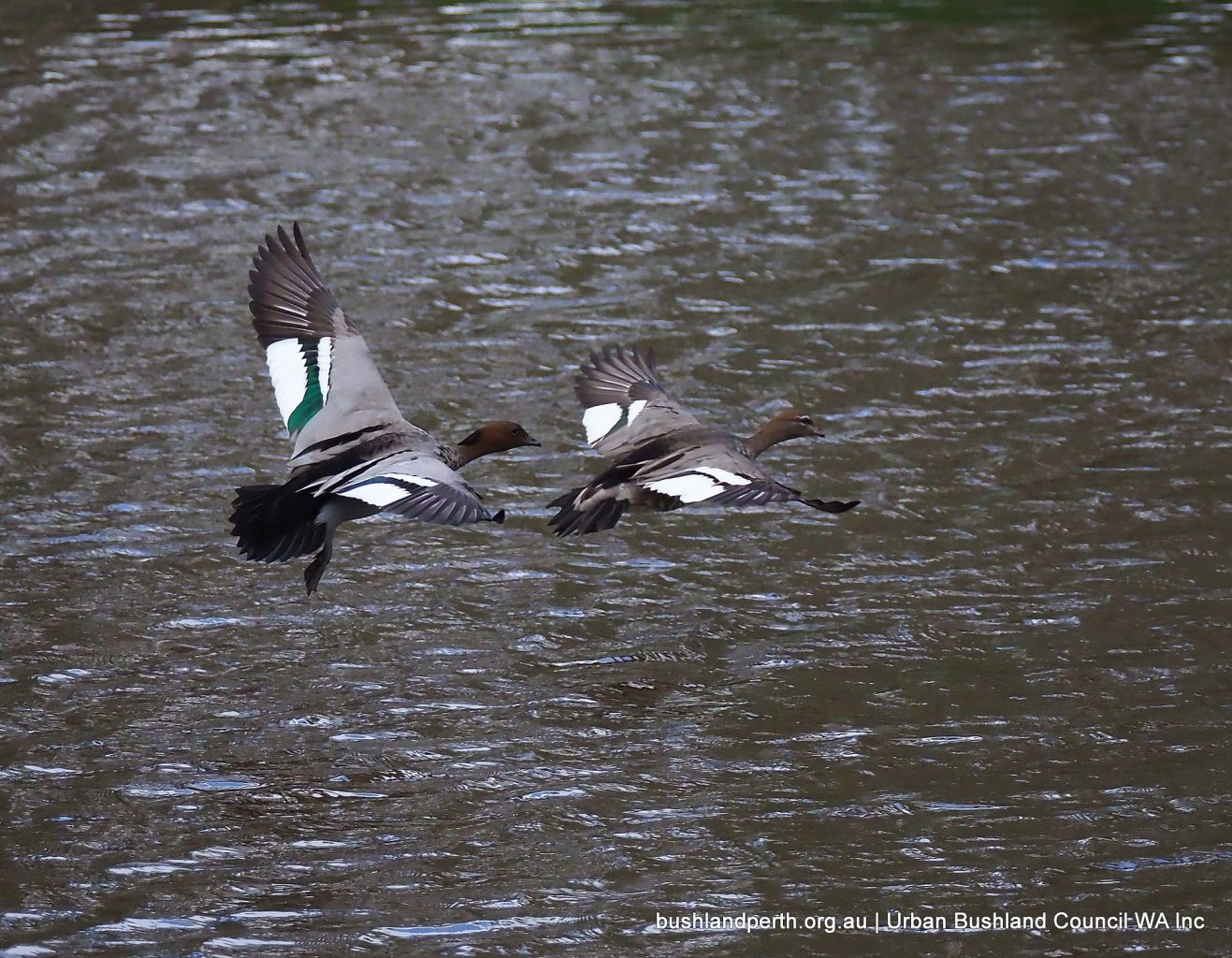
Australian Wood Ducks at Kings Meadow Reserve, Guildford. Wood Ducks are, along with Pacific Black Ducks, Perth’s ‘commonest’ ducks.
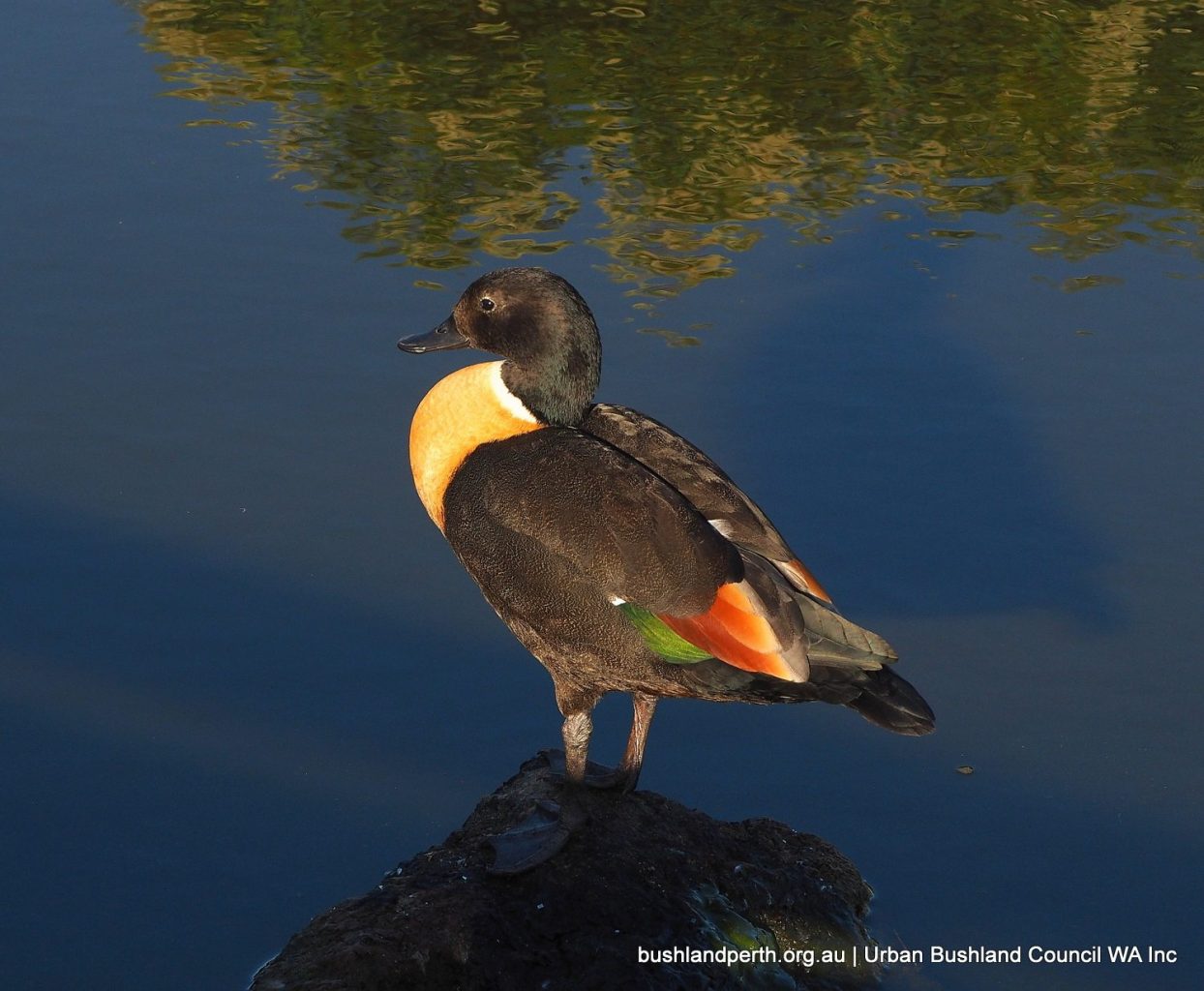
Australian Shelducks are a strikingly coloured bird; one of just five Shelduck species worldwide. Common in the metro. This male bird was at Point Fraser, Perth.
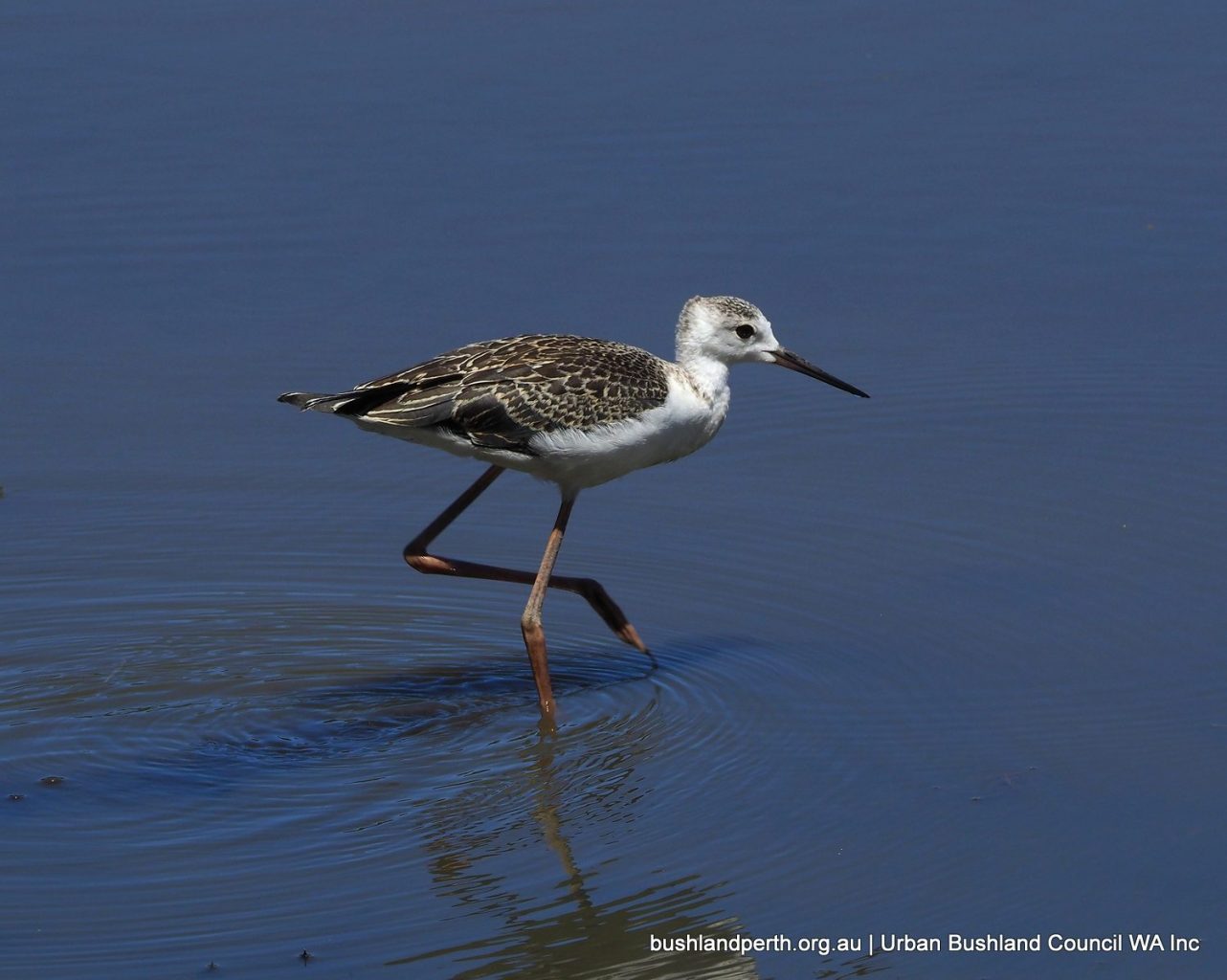
Juvenile White-headed Stilt at Lake Claremont. The Lake is an important breeding habitat for numbers of waterfowl and waders.
Perth’s suburbs and ‘near metro’ offer great nature observation opportunities. Even small bushland remnants hold good birding. The information here will guide any visitor to a greater appreciation of Perth’s natural treasures.
Where to Find Them…
The birds illustrated below were all photographed at local Perth area wetland reserves.
Go to theUrban Treasureslead page for more great birding destinations.
Interested in unusual metro bird sightings? Then gohere.
Birdlife Western Australia organises weekend visits to Perth’s birding locations, including some of those noted above. Some of these events are open to the general public. Also available are a series of birding guides, some of which cover Perth’s urban locations.
The birds in the Gallery below are randomly displayed to indicate a sample of a wide range of birding locations that are easily accessible. Unless indicated, the images have been contributed by John Baas, who retains copyright.
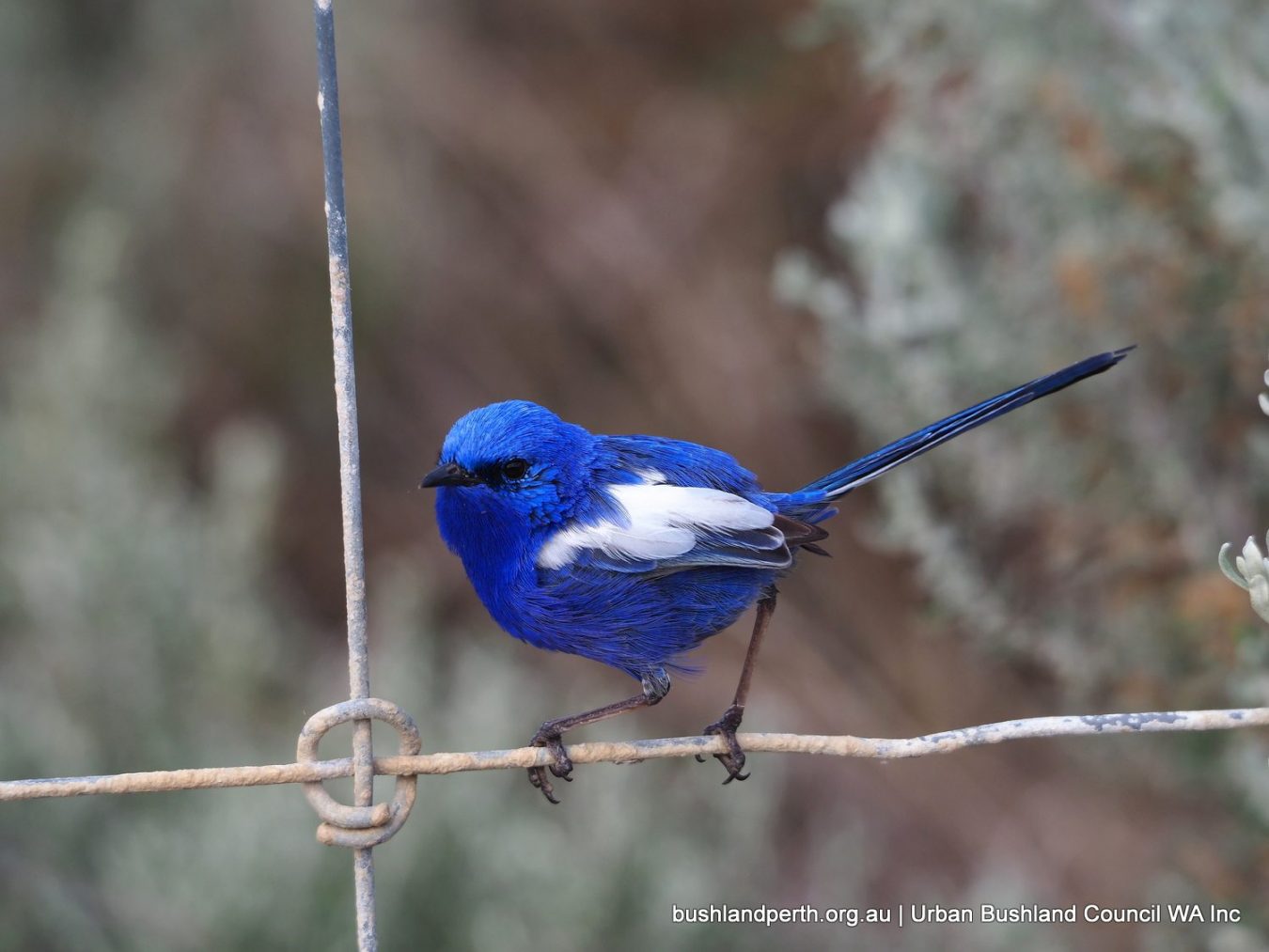
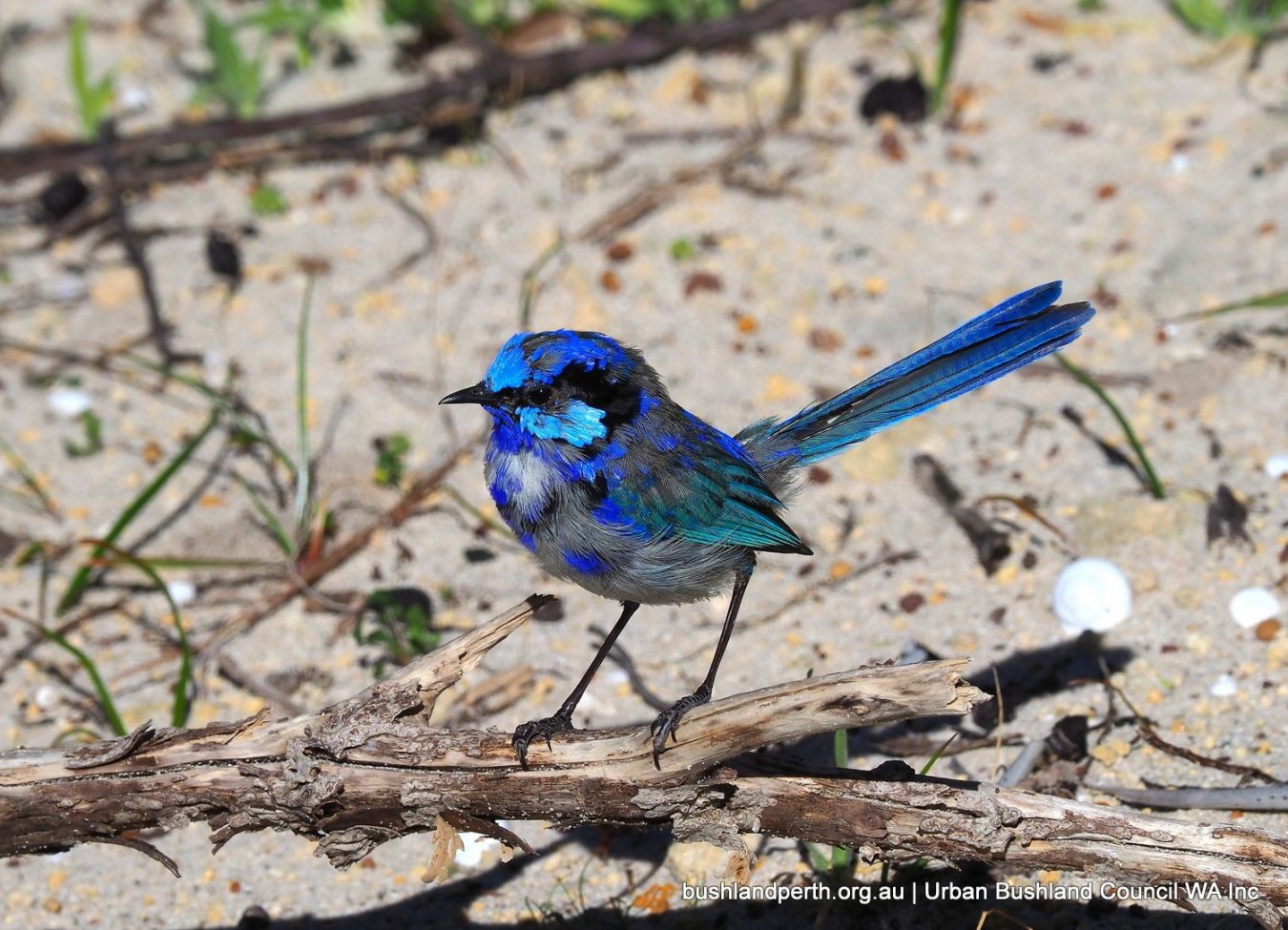
White-winged Fairy Wrens are locally common at Iluka Foreshore Reserve and nearby coast areas. They are otherwise uncommon in the Perth metro. Image taken at Iluka.
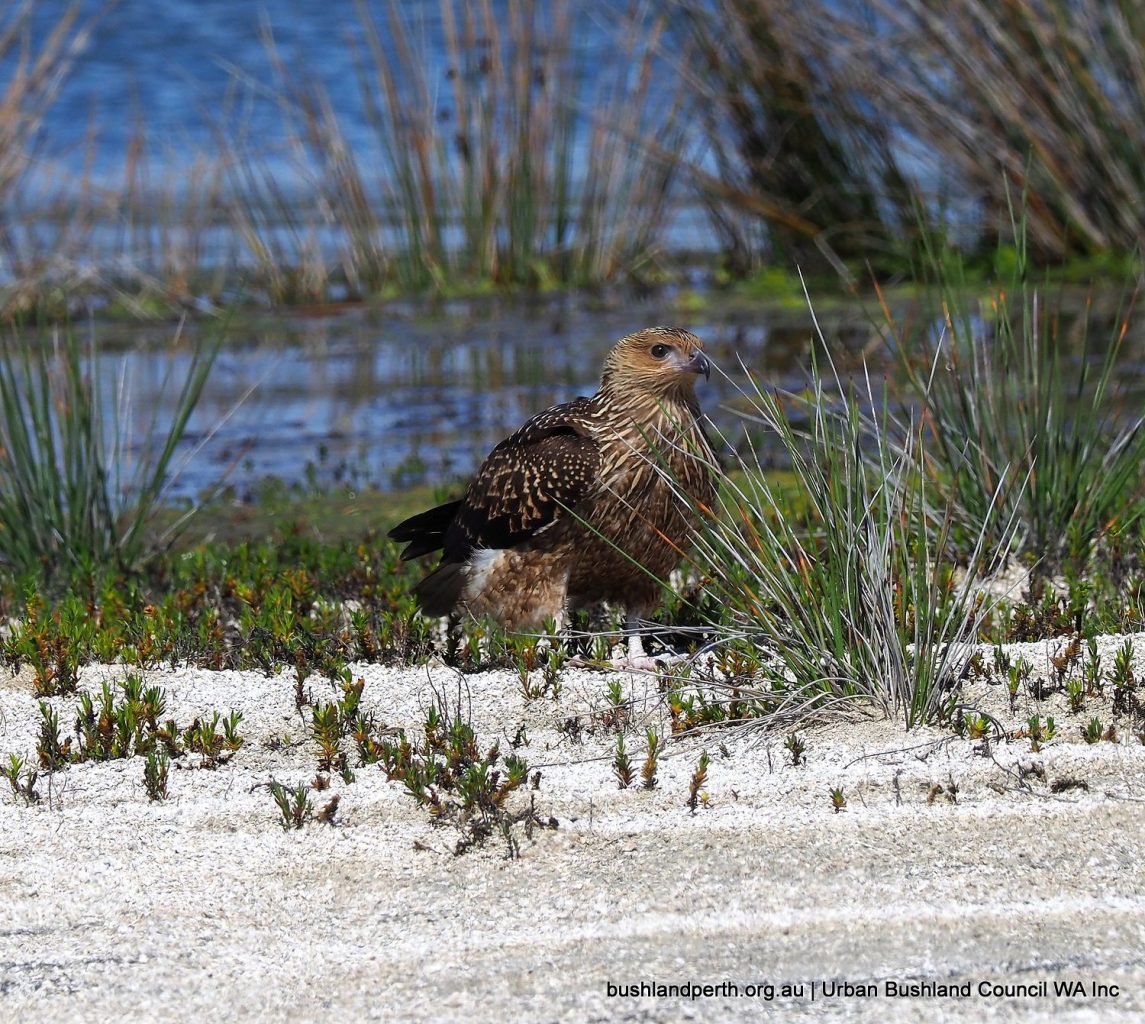
Whistling Kite. This juvenile bird was taken at Lake Walyungup. These kites are Perth’s common raptor over urban wetland areas.
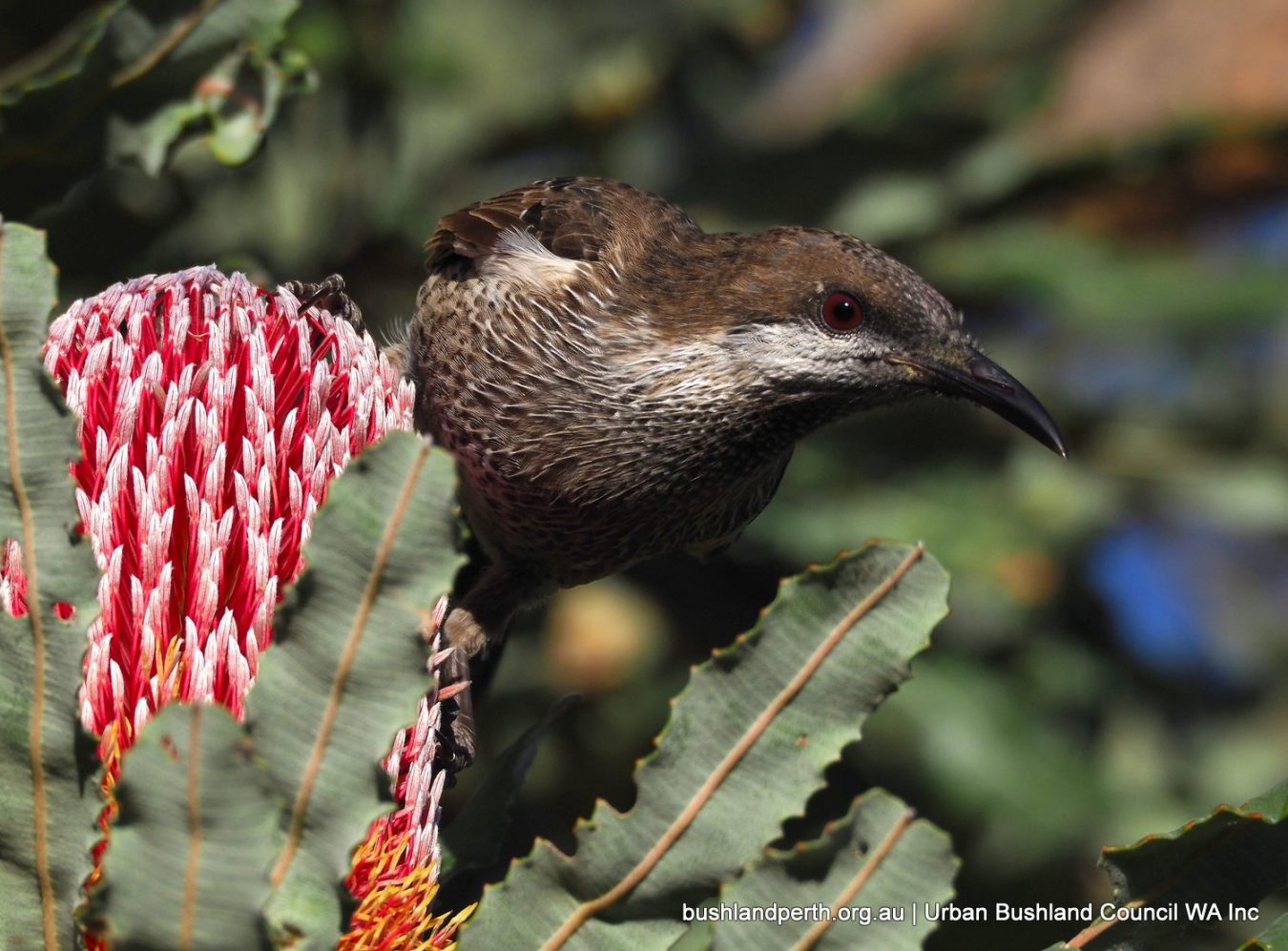
Western Wattlebirds can be seasonally abundant at Inglewood Triangle. Westerns are a WA endemic, and are for less frequently sighted than their nearest relative, the Red Wattlebird.
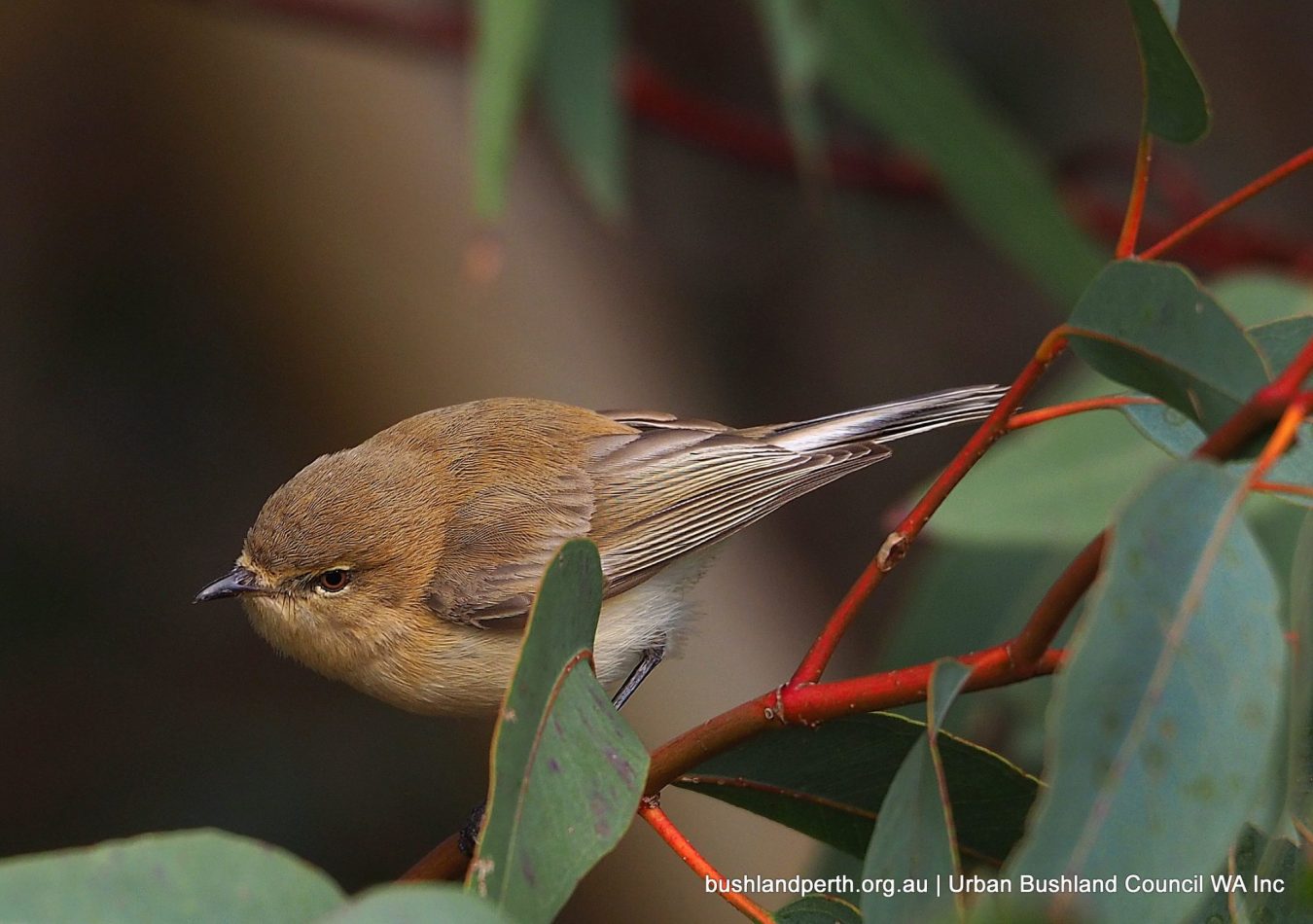
Western Gerygone; this bird photographed at Baigup Wetlands. These birds are common in the taller trees but are inconspicuous unless calling.
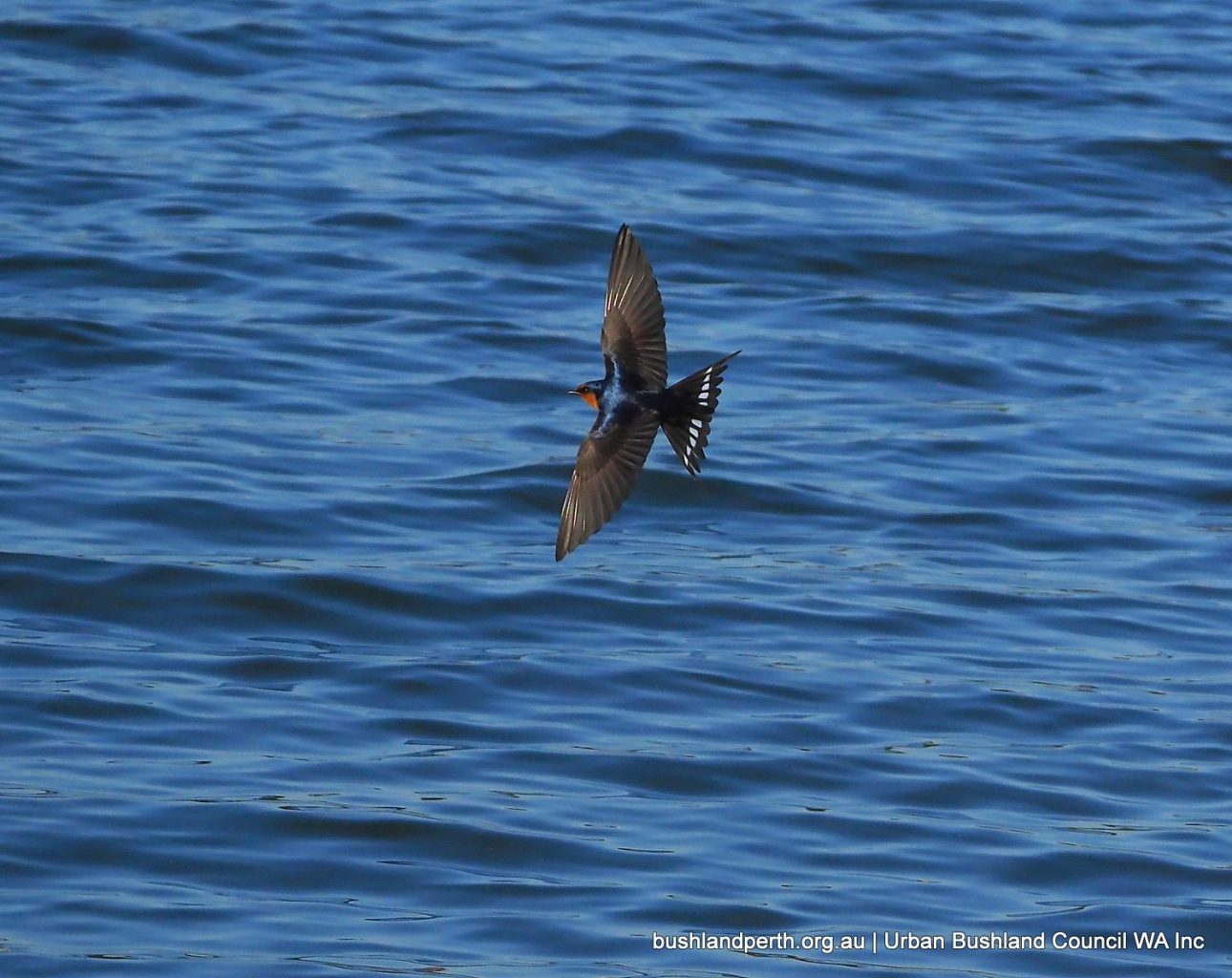
Welcome Swallow over Lake Monger.
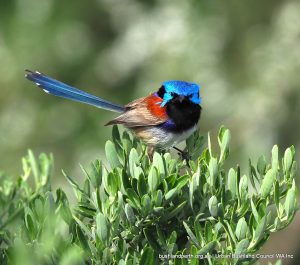
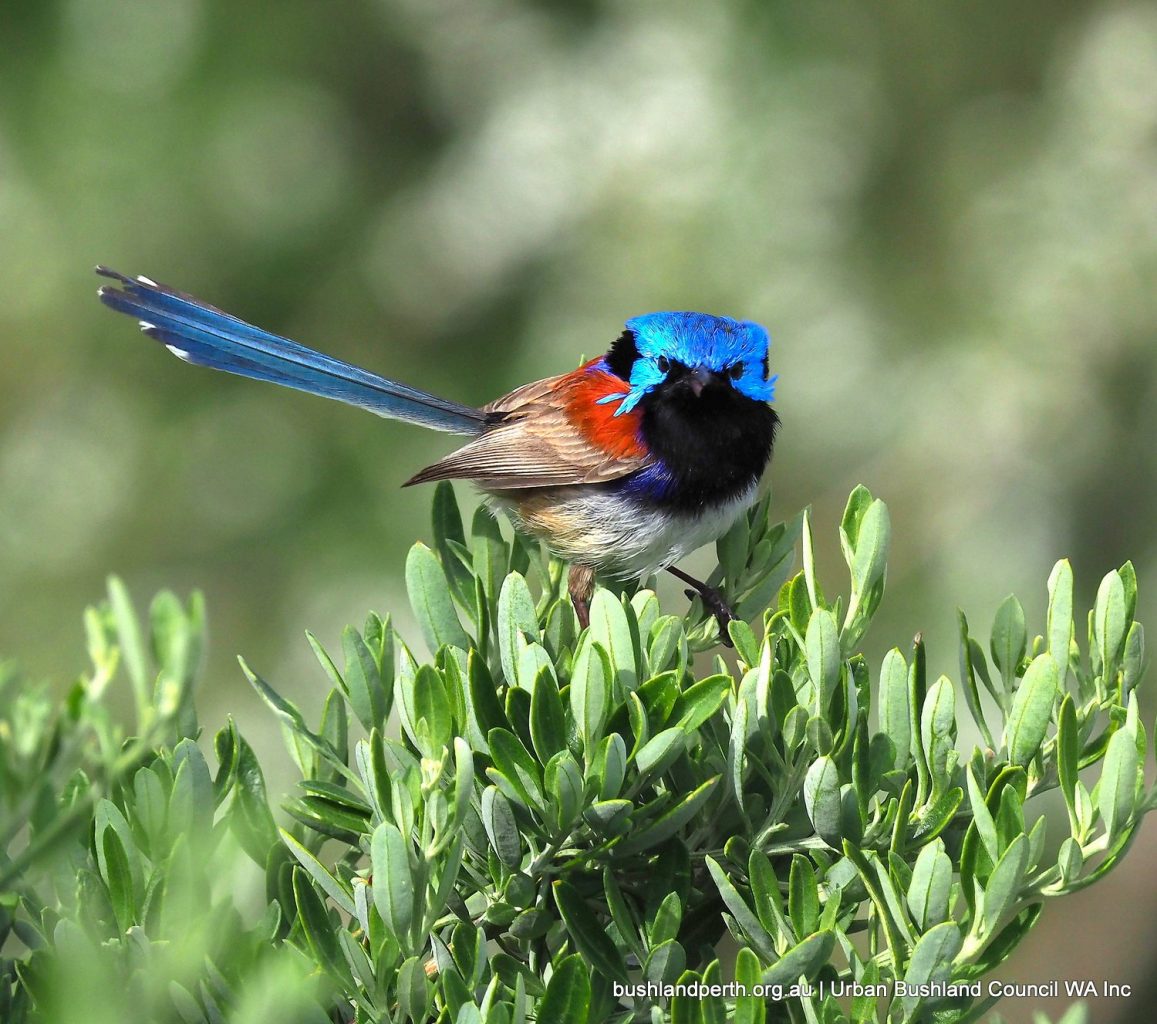
Purple-backed Fairy-wren. There are several families of this species making their home at Mosman Park Bushland.
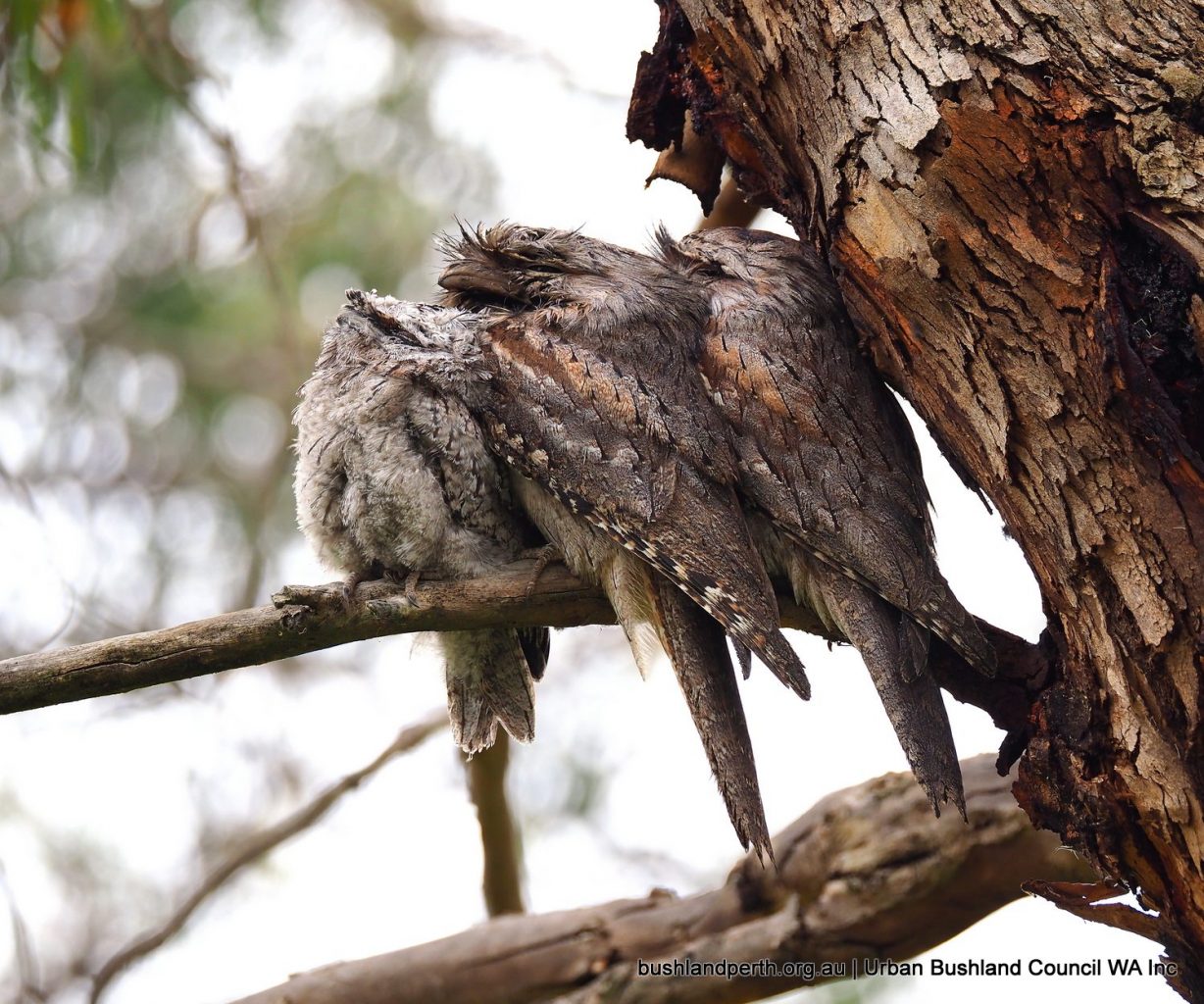
Tawny Frogmouths; here at Lake Herdsman. Tawnys are probably reasonably common but their camouflage and ‘immobile’ pose render them cryptic and accordingly very difficult to spot.
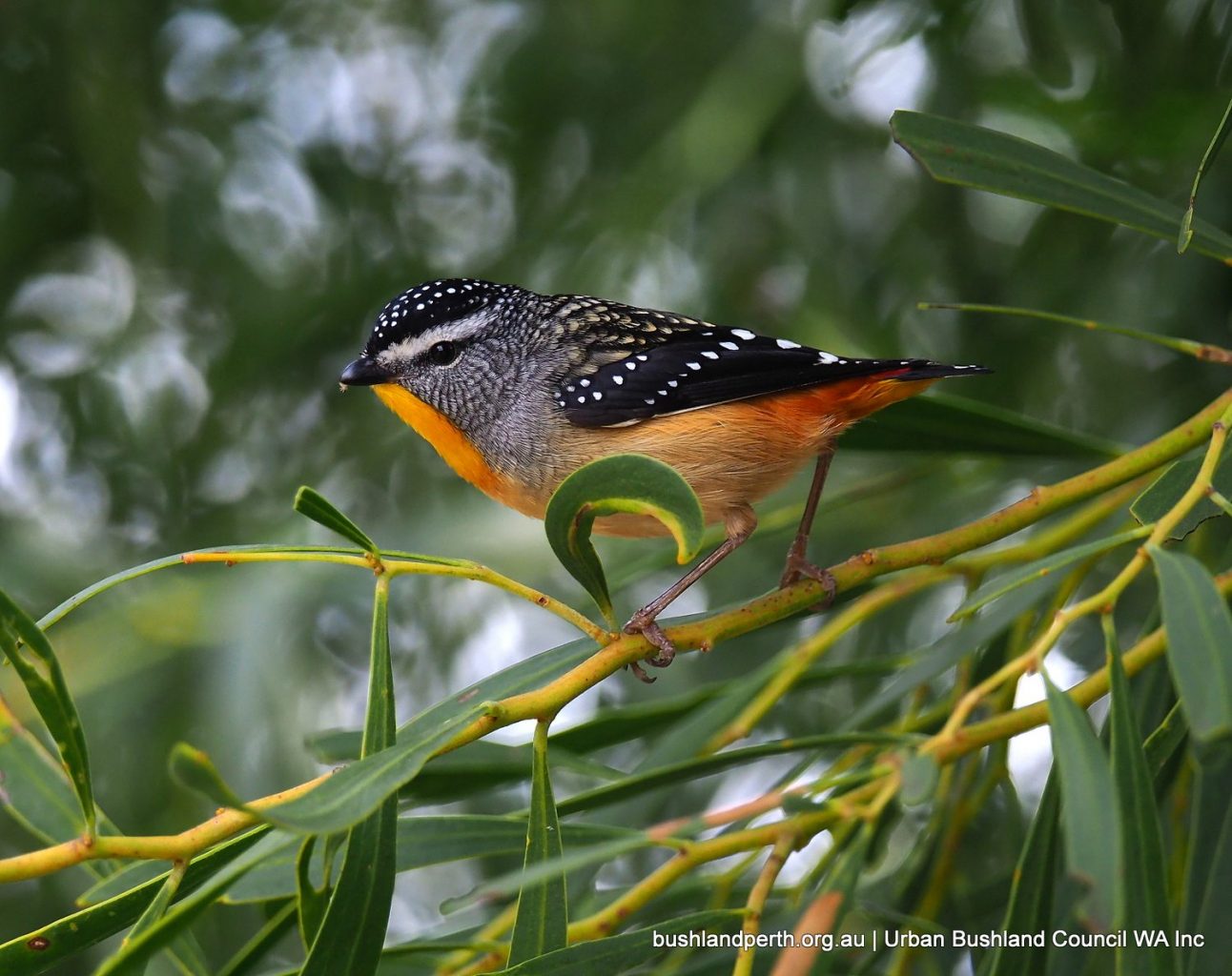
Spotted Pardalote at Mosman Park Bushland. Spotteds are far less common in the metro than their relative, the Striated Pardelote. Its call, a clear ‘ping’ gives its presence away.
Splendid Fairy-wren; here at Woodman Point. Spendids are easily the most common of the metro’s three fairy-wrens, and are found in a wide range of habitats including coastal bushland and eucalypt woodland. As with all three, the males are brilliantly coloured when in breeding condition. This bird is just coming in to prime colour.
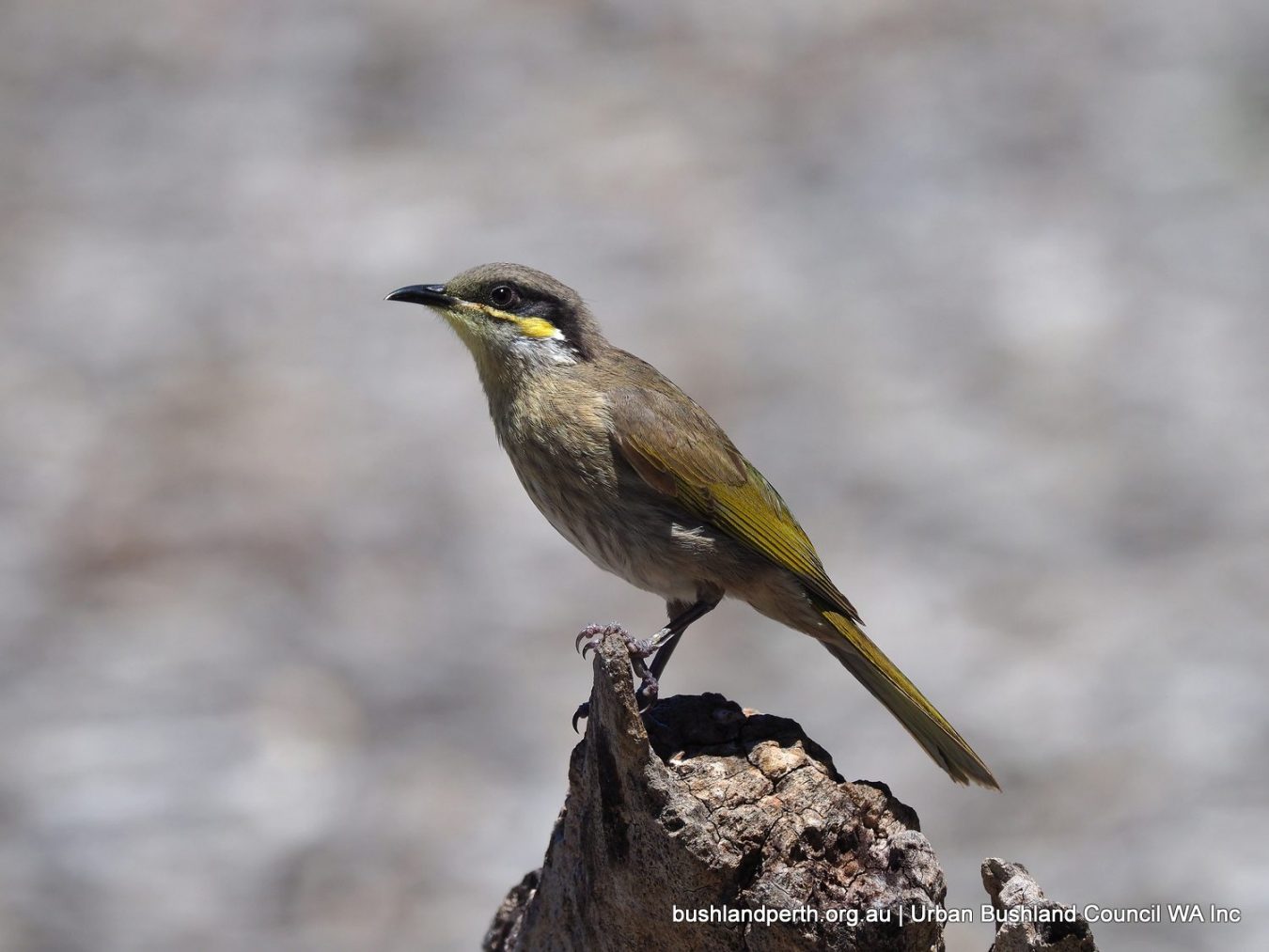
Singing Honeyeater taken at Eric Singleton Reserve. ‘Singers’ are easily found in all metro habitats.
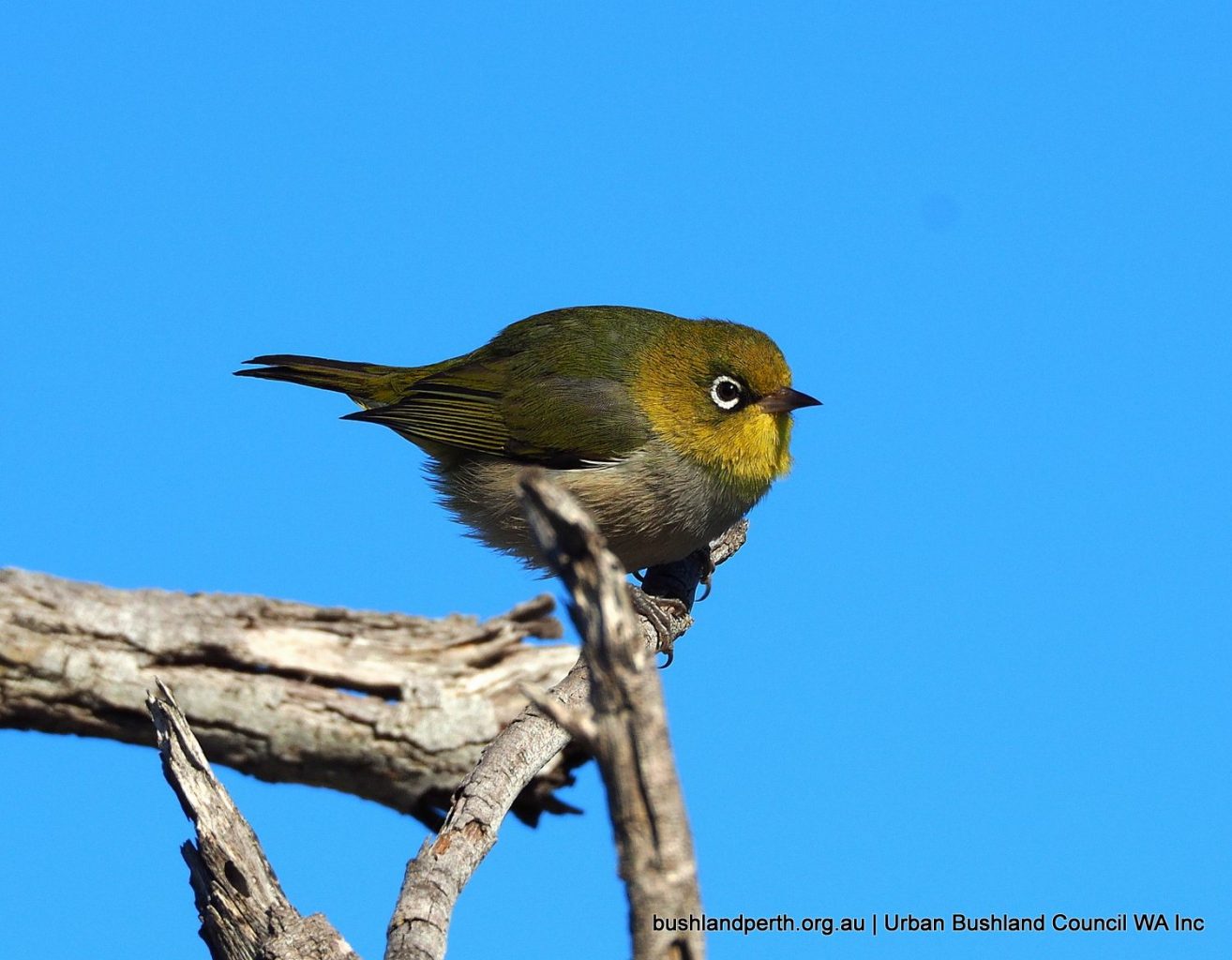
Silvereye at Rottnest Island. Silvereyes have a ‘soft’ call and are mosly found in medium sized flocks. Common in most habitats.
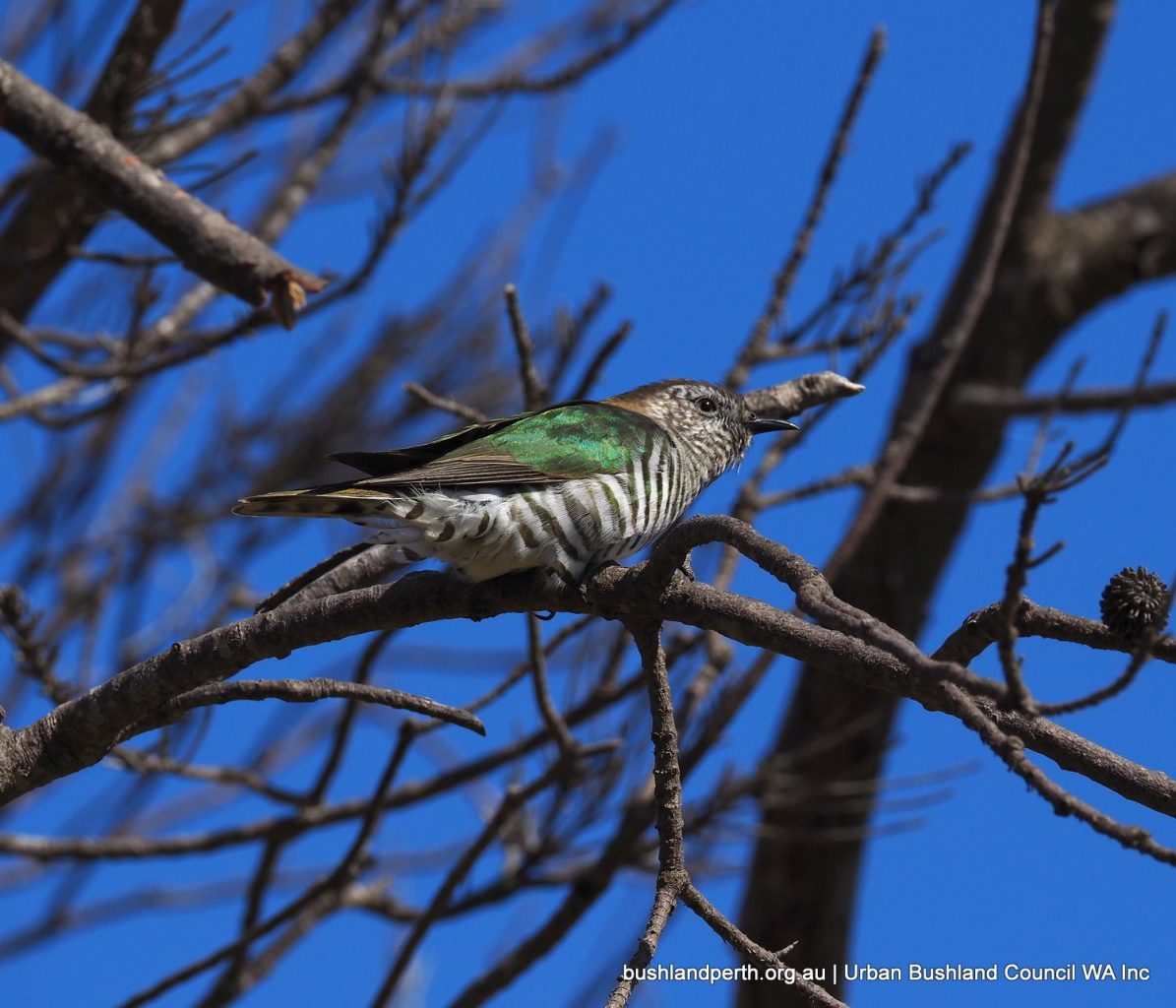
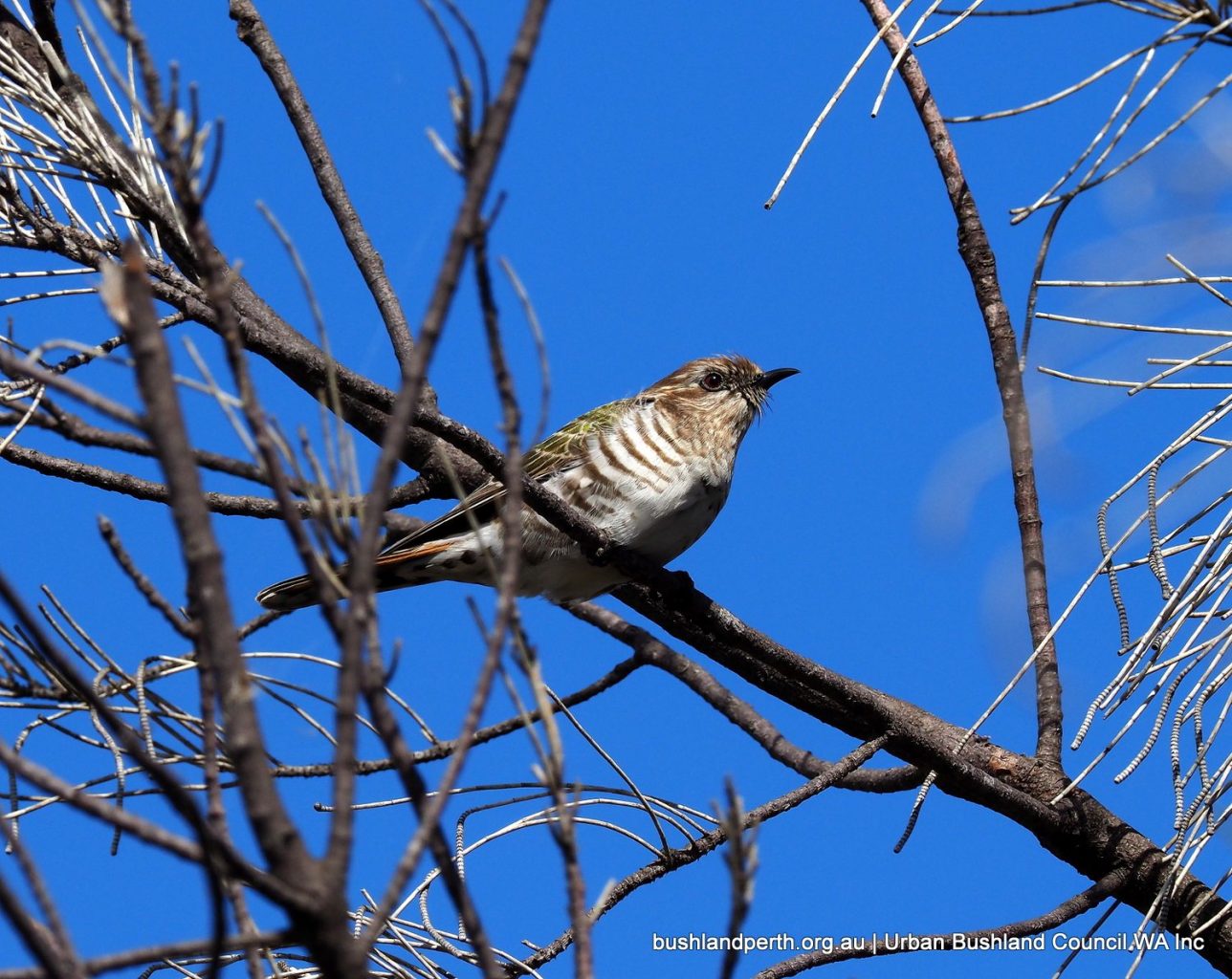
Shining Bronze-cuckoos are seasonal breeding migrants from WA’s northern regions. Never common, they parasitise Yellow-rumped and Gerygone nests. This bird was taken at Creery Wetland.
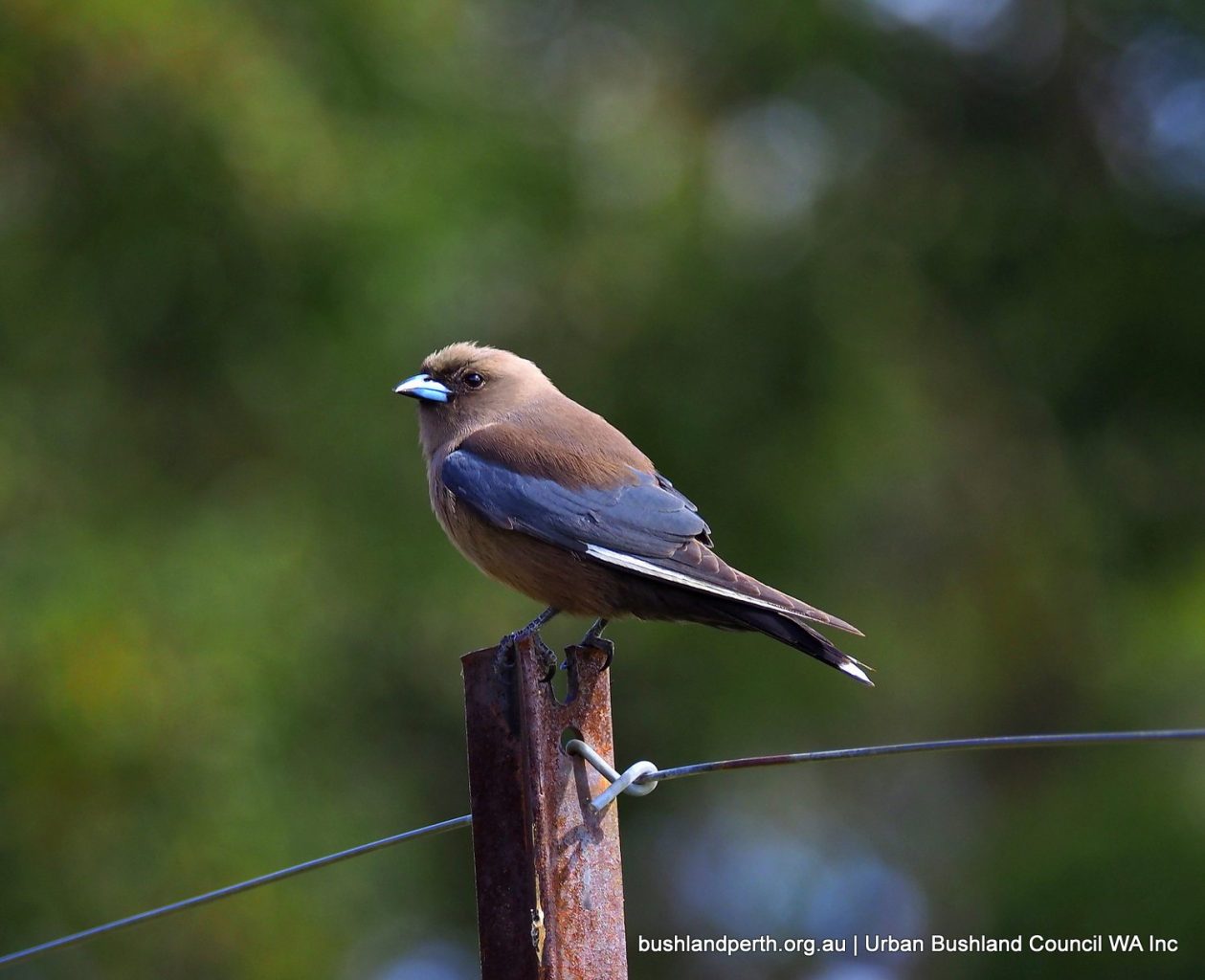
Dusky Woodswallow. A bird commonly found in the outer metro, but here, closer in at Martin.
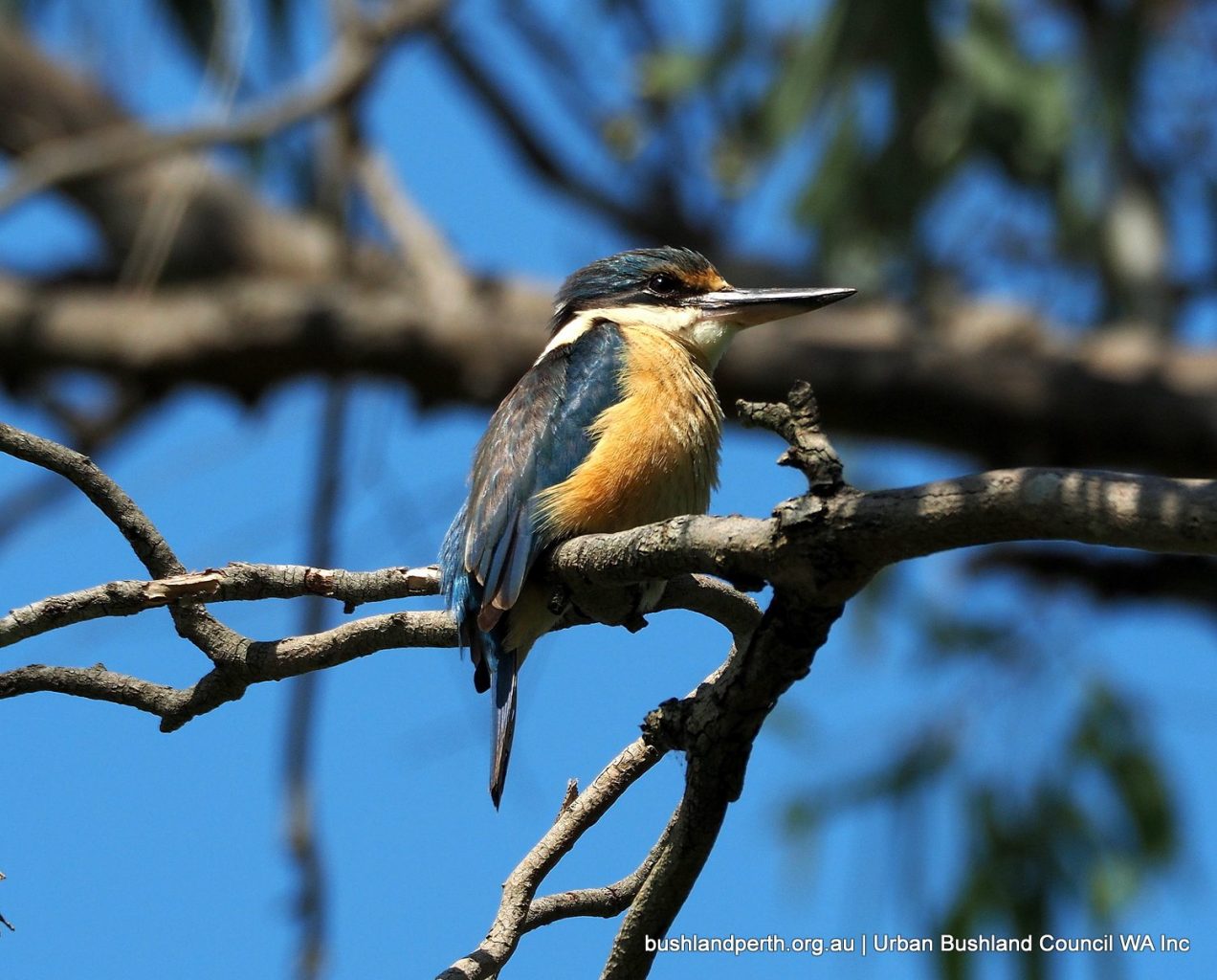
Sacred Kingfishers are common in wetland and river locations, and in woodlands, from November through to Autumn, having migrated from WA’s northern regions. ‘Kingies’ pounce on terrestrial insects and never actually take fish. Here at Ashfield Flats.
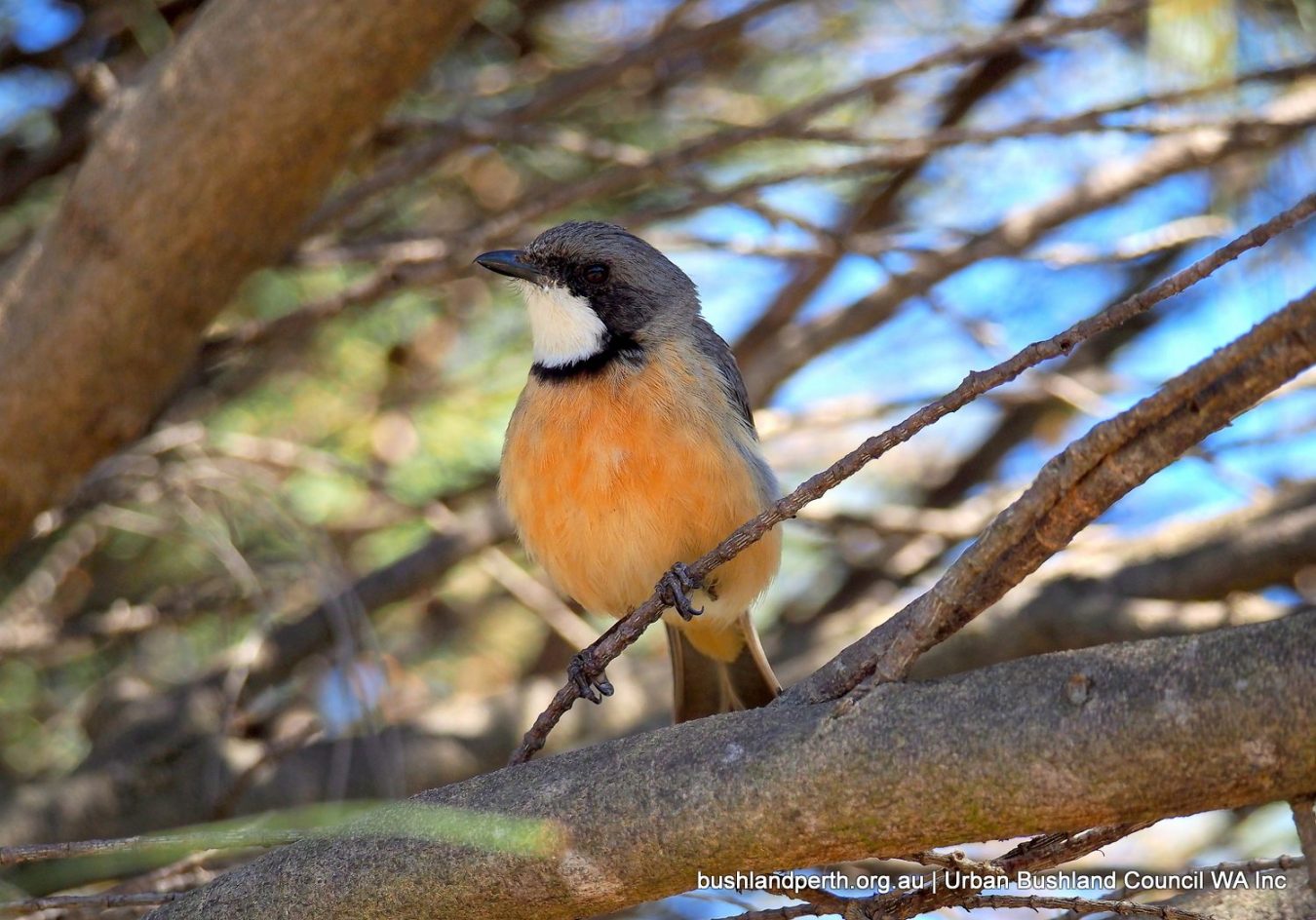
Rufous Whistlers are melodious and often found initially by their call. This male bird was photographed at Baigup Wetlands.
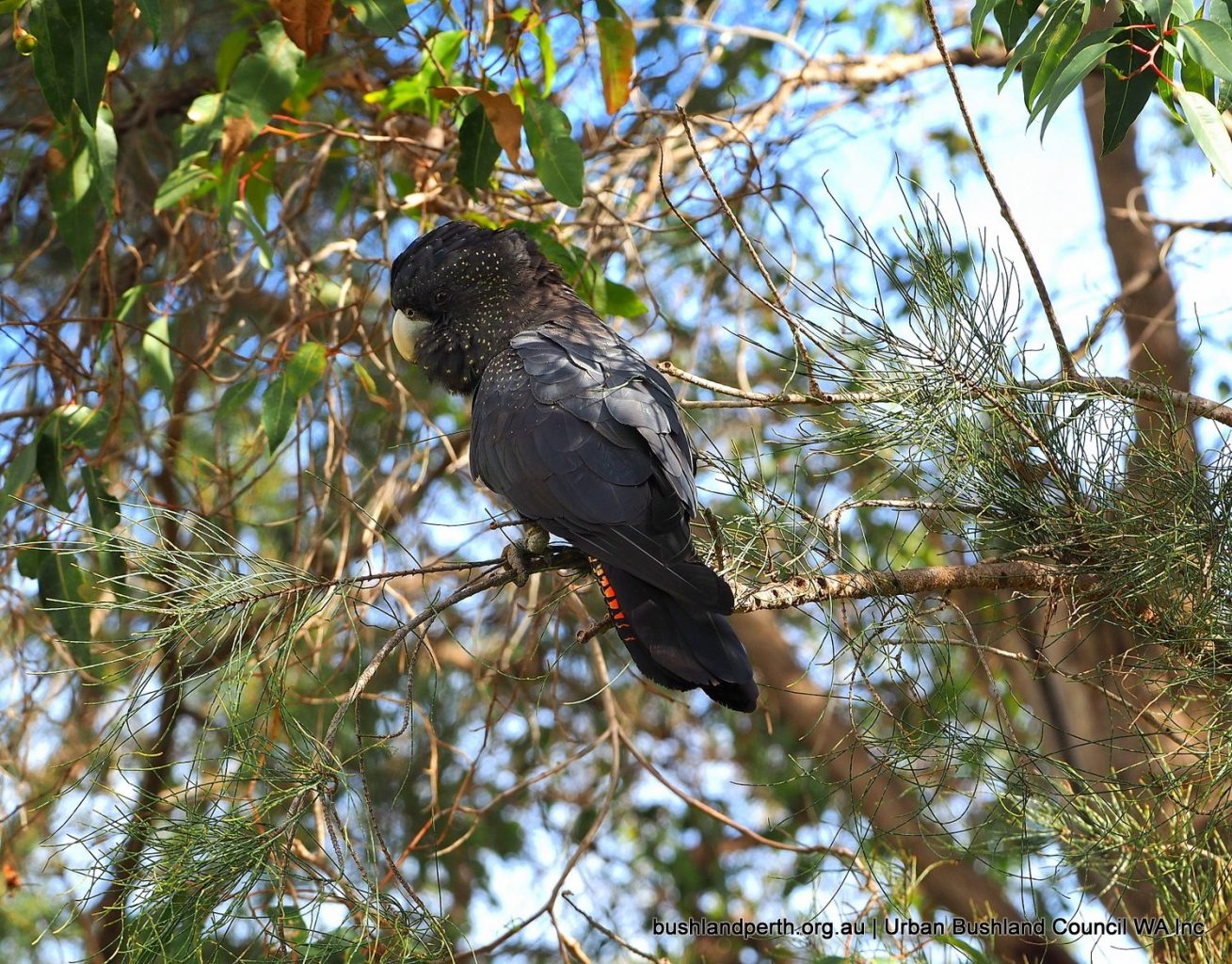
Red-tailed Black Cockatoos are one of WA’s three endangered Black-cockatoos – here at Kings Park.
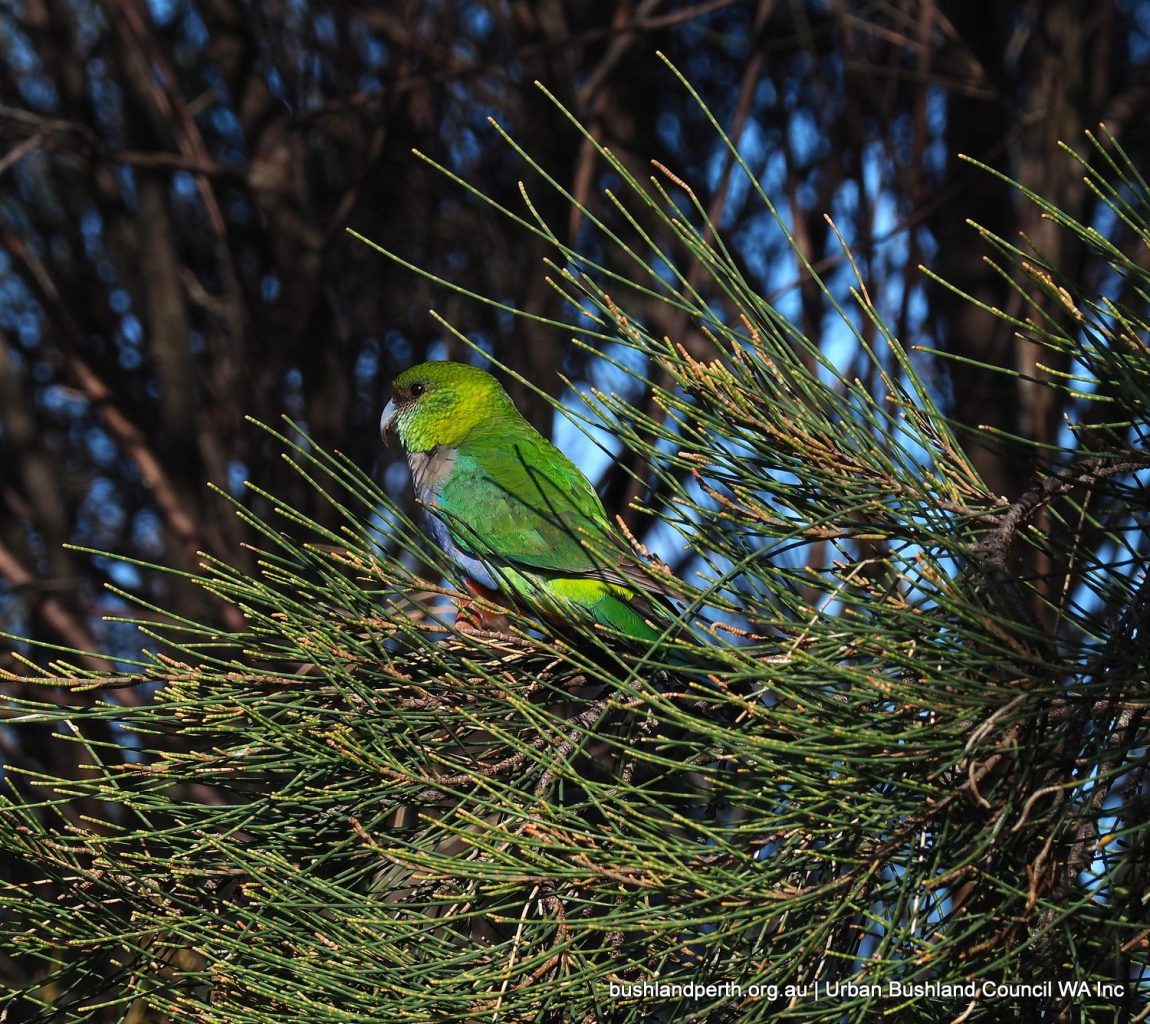
Juvenile Red-capped Parrot at Coodanup. Red-capped parrots are brilliantly coloured and are a WA endemic. They are reasonably common in a variety of metro habitats.
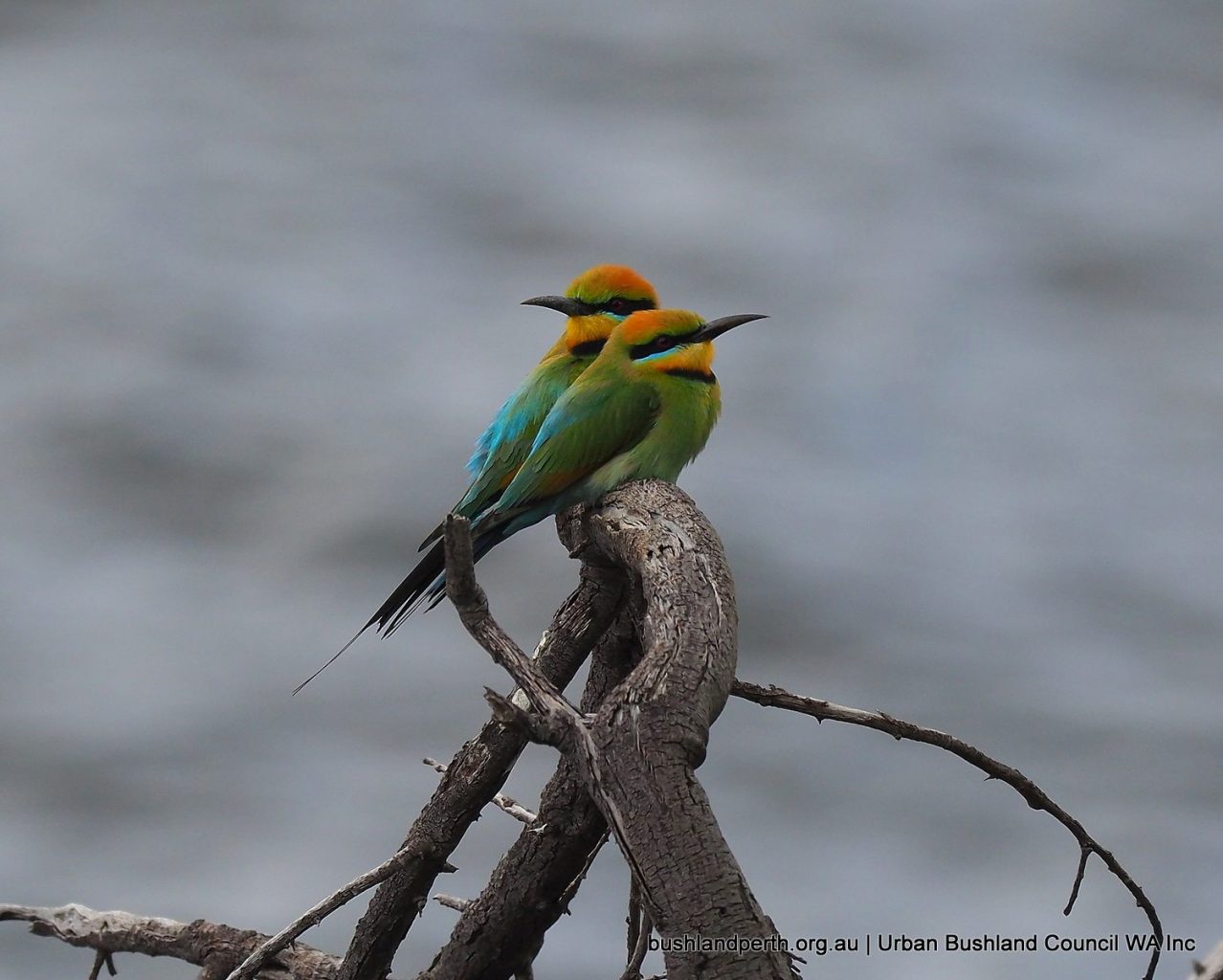
Rainbow Bee-eater are another summer breeder from the north; nesting in tunnels dug from sandy slopes. This pair was spotted in Mosman Park Bushland.
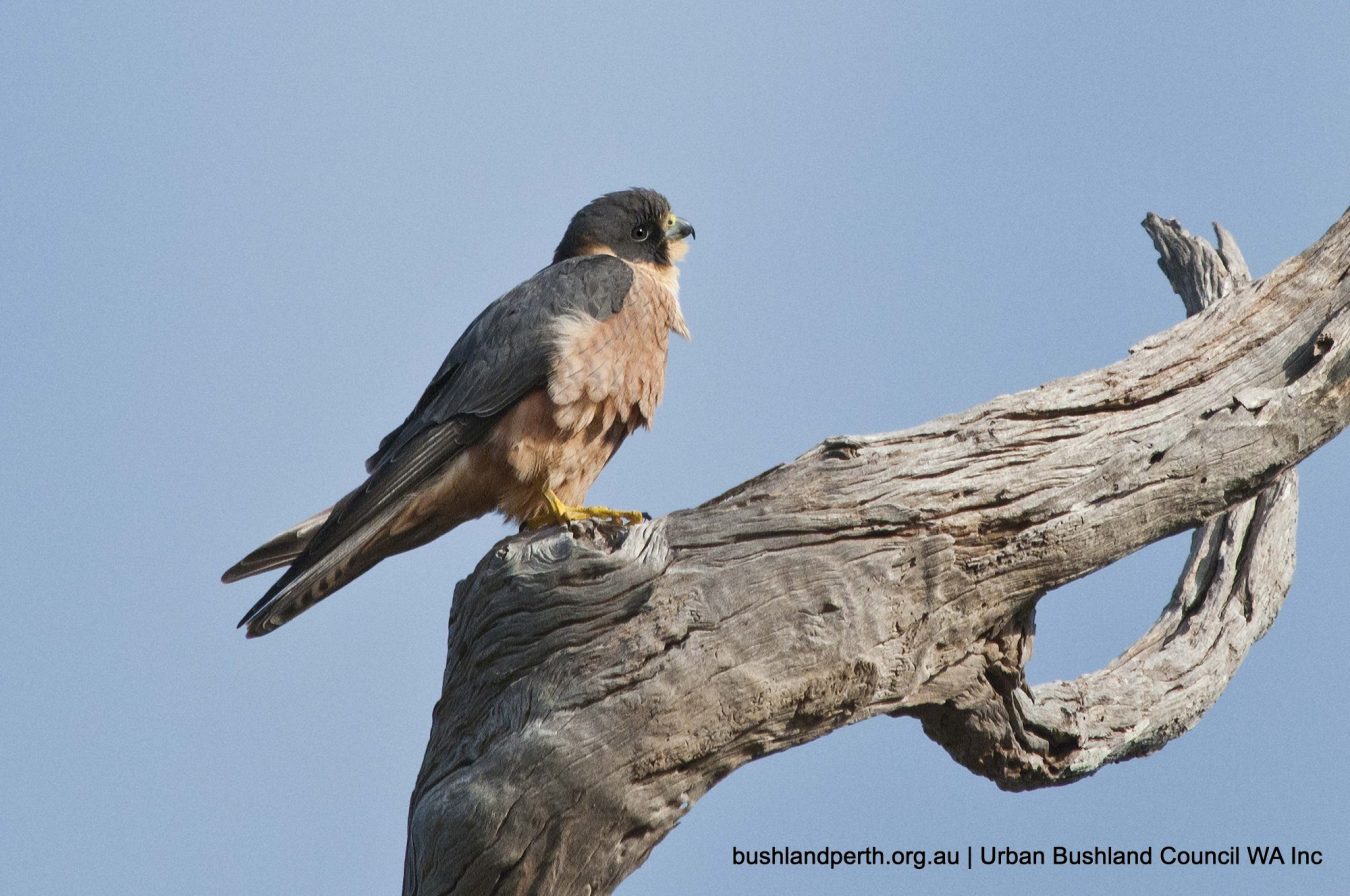
Australian Hobby perched at Bold Park. Reasonably common in both wetland and woodland habitats. Photo: Friends of Bold Park.
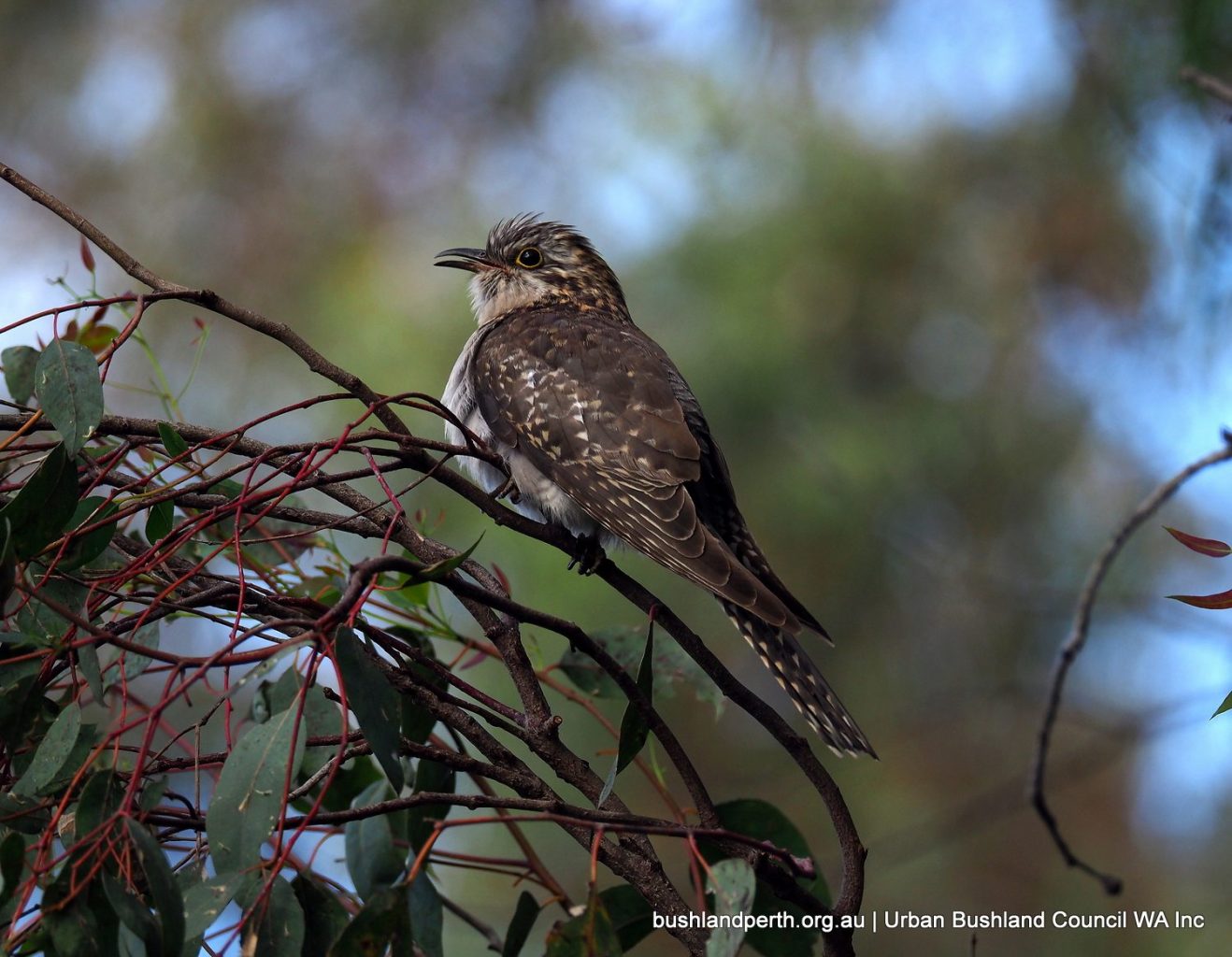
This juvenile Pallid Cuckoo was seen at Eric Singleton Reserve. Pallids prefer lightly timbered locations and parasitise honeyeater, wood swallow and robin nests. As for other breeding migrants, they typically begin to be sighted in the metro from Spring.
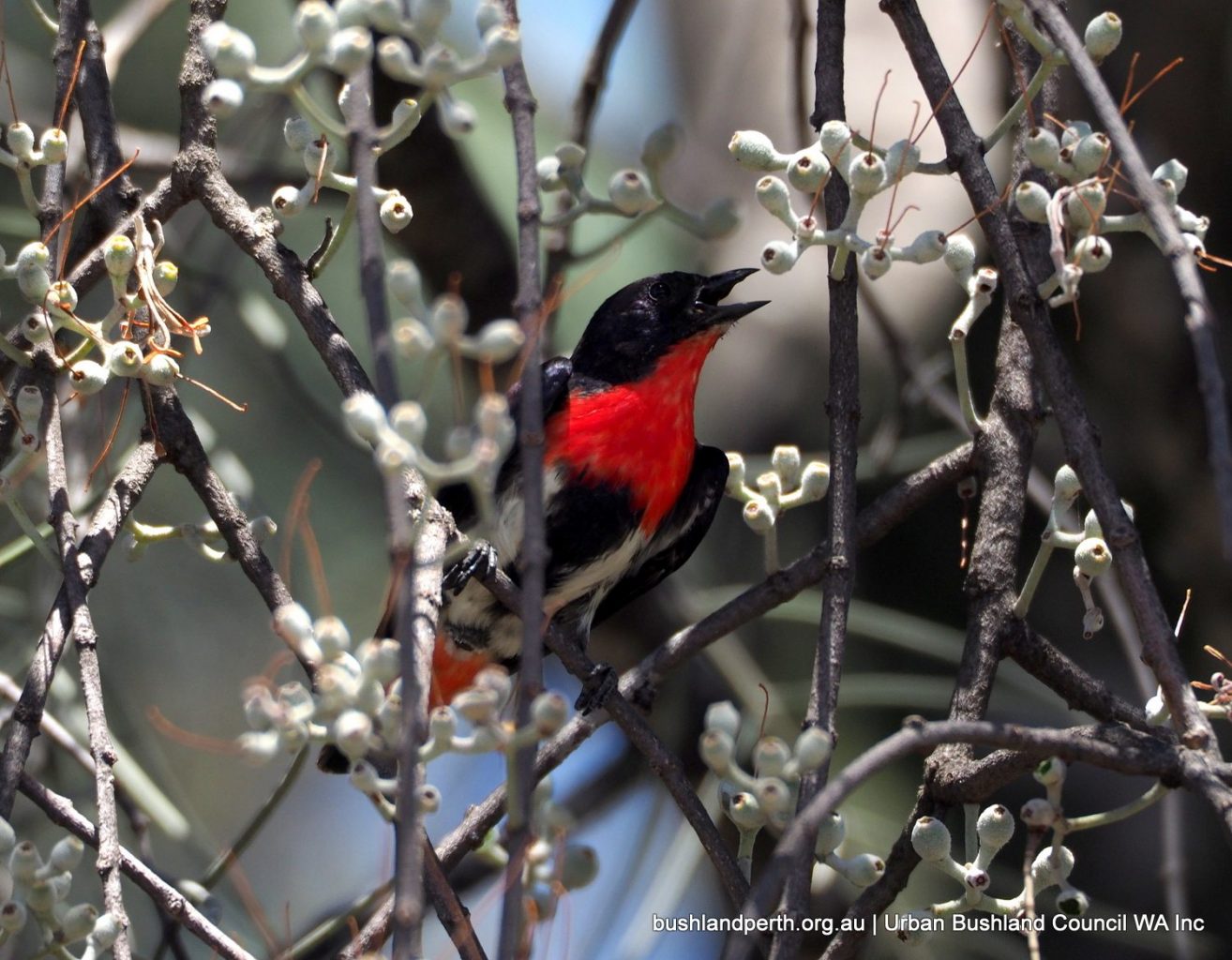
Mistletoe Bird – male bird at Baigup Wetlands. These birds are critically dependent on various species of mistletoe for food. Common, wherever mistletoe is in fruit.
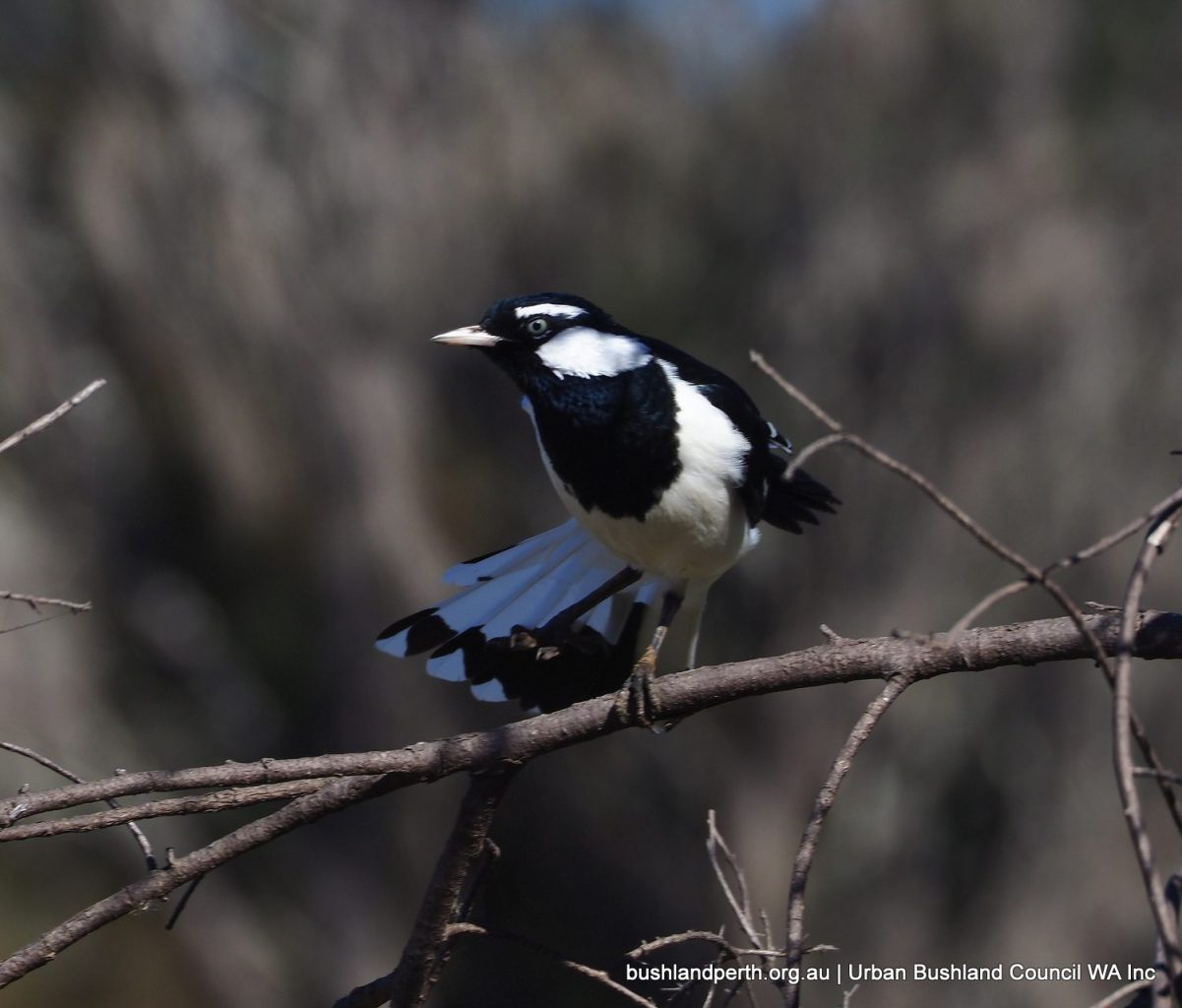
Magpie Lark showing off at Kings Meadow Reserve, Guildford. One of Perth’s most common bushbirds – ubiquitous.
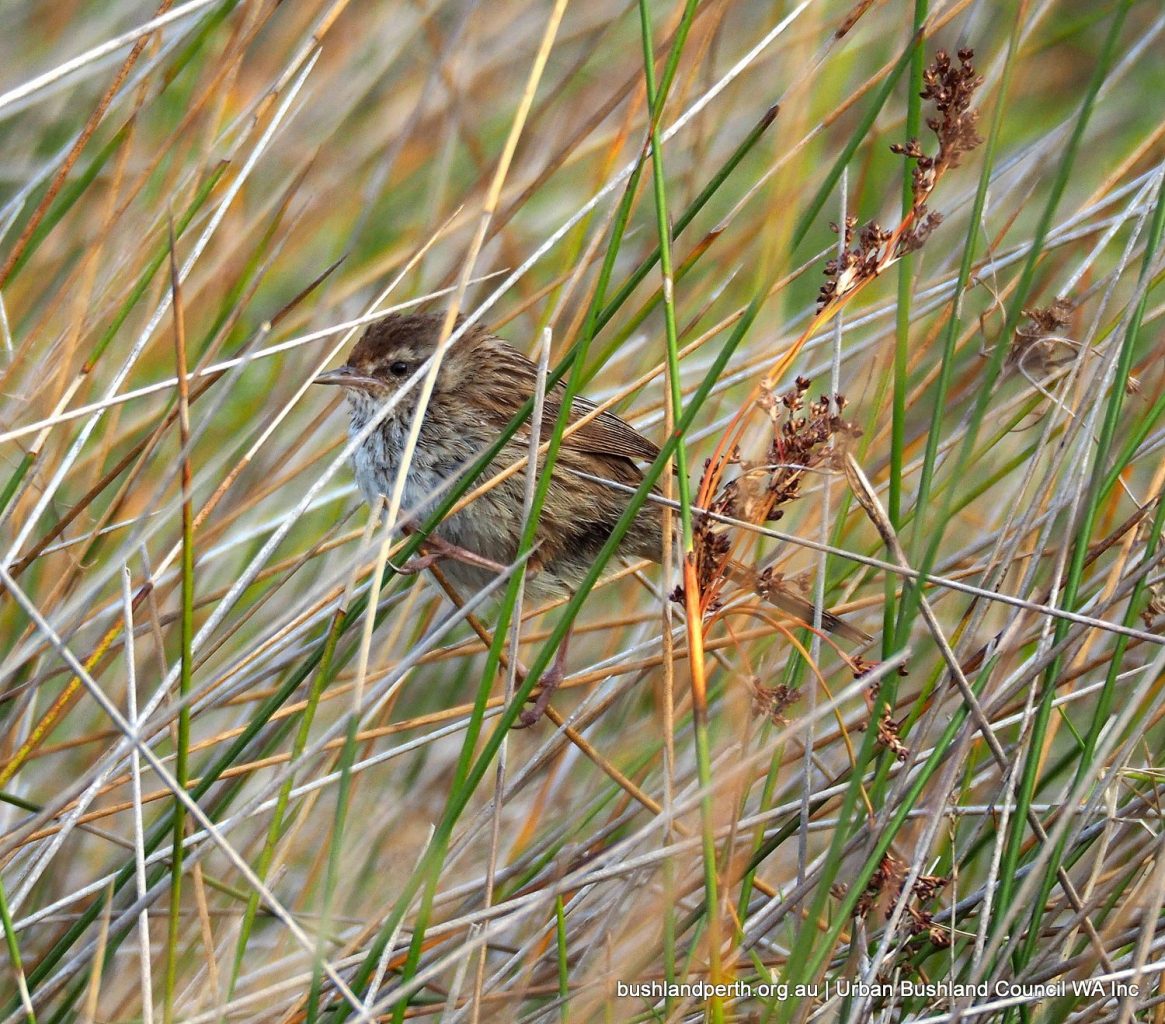
Little Grassbird photographed at Fraser Point, Perth. This secretive bird makes itself known via its mourneful three note call. Extremely wary, it is rarely able to be viewed.
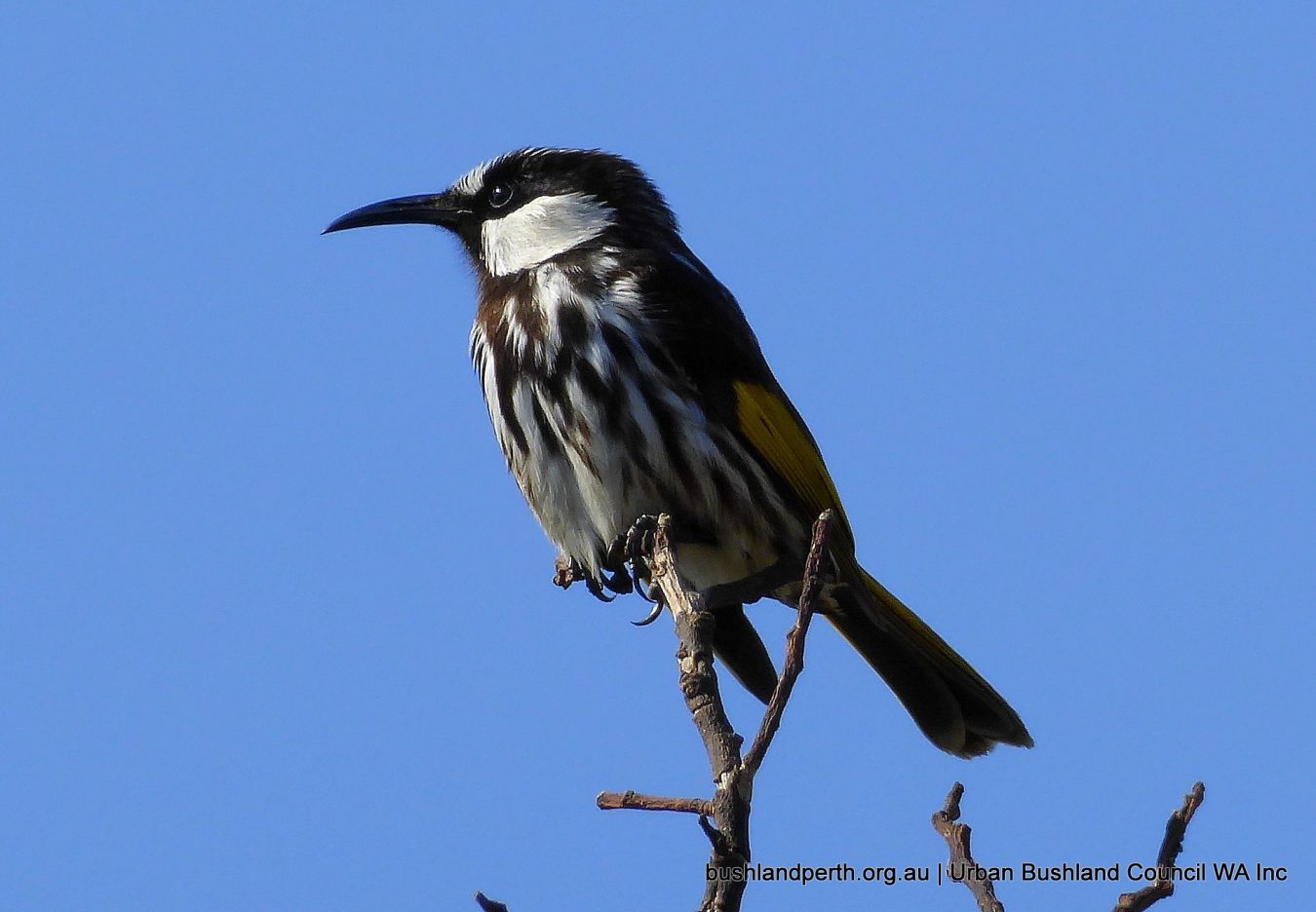
White-cheeked Honeyeaters are moderately common in a variety of habitats. This image was taken in coastal scrub at Warnbro.
Horsfield’s Bronze-cuckoos are widespread in lightly wooded habitats. Another Spring migrant from the north; parasitising fairy-wrens and thornbills. Here at Creery wetland.
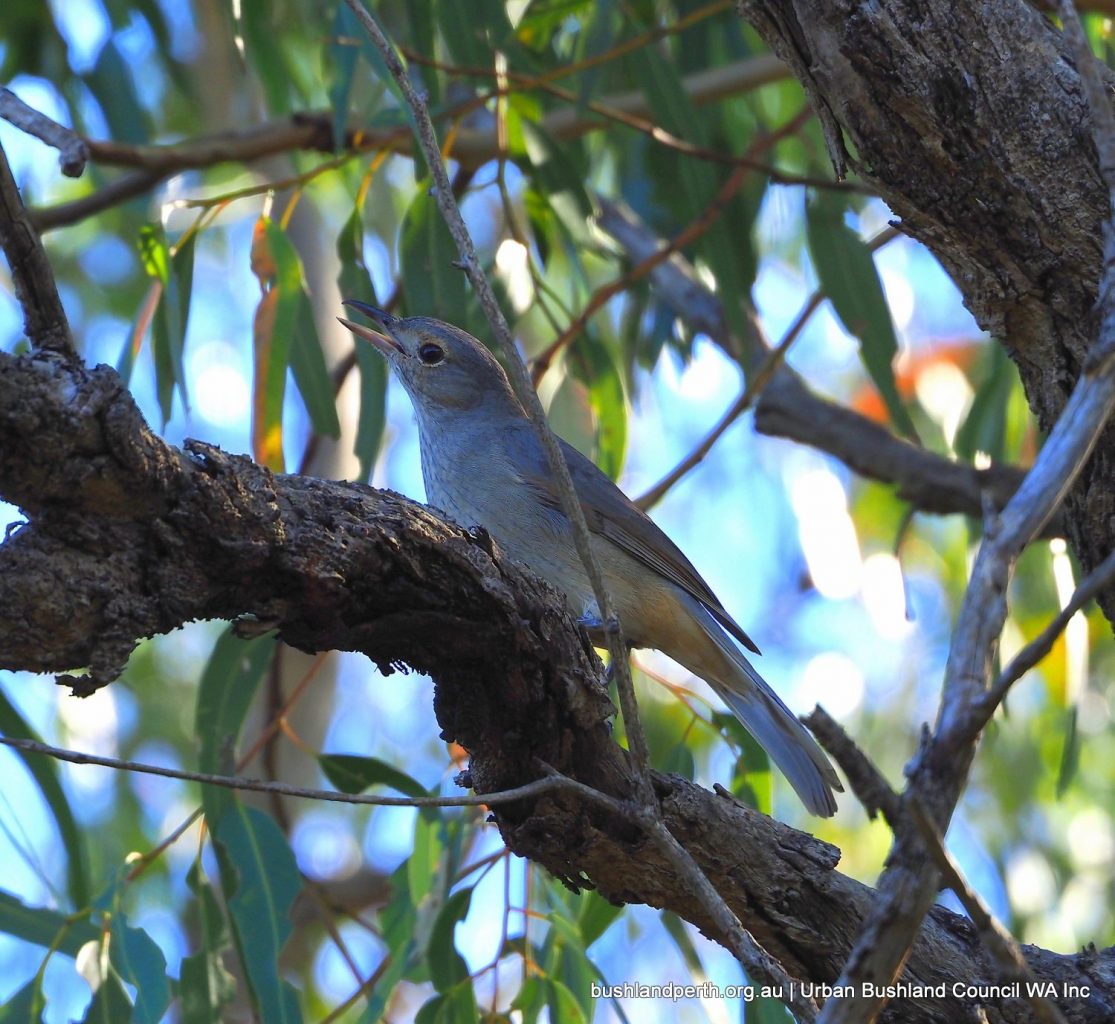
Grey Shrike Thrush. A quiet unobtrusive bird, but makes itself known via its beautiful melodious calling. Relatively common in the woodlands – here in the Tuarts at Woodman Point.
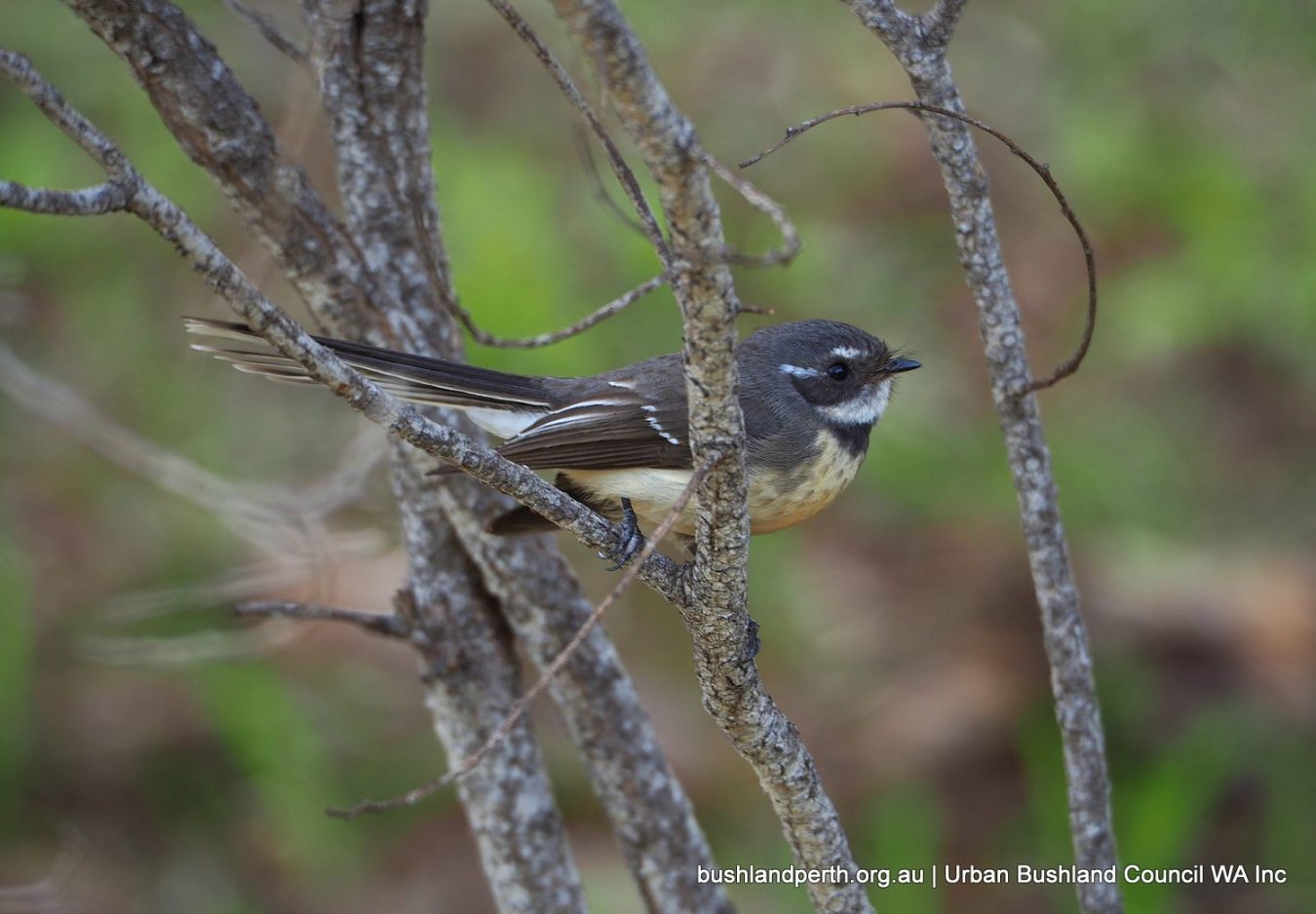
Grey Fantails are one of the woodlands’ most common bushbirds. This one at Lake Kogolup.
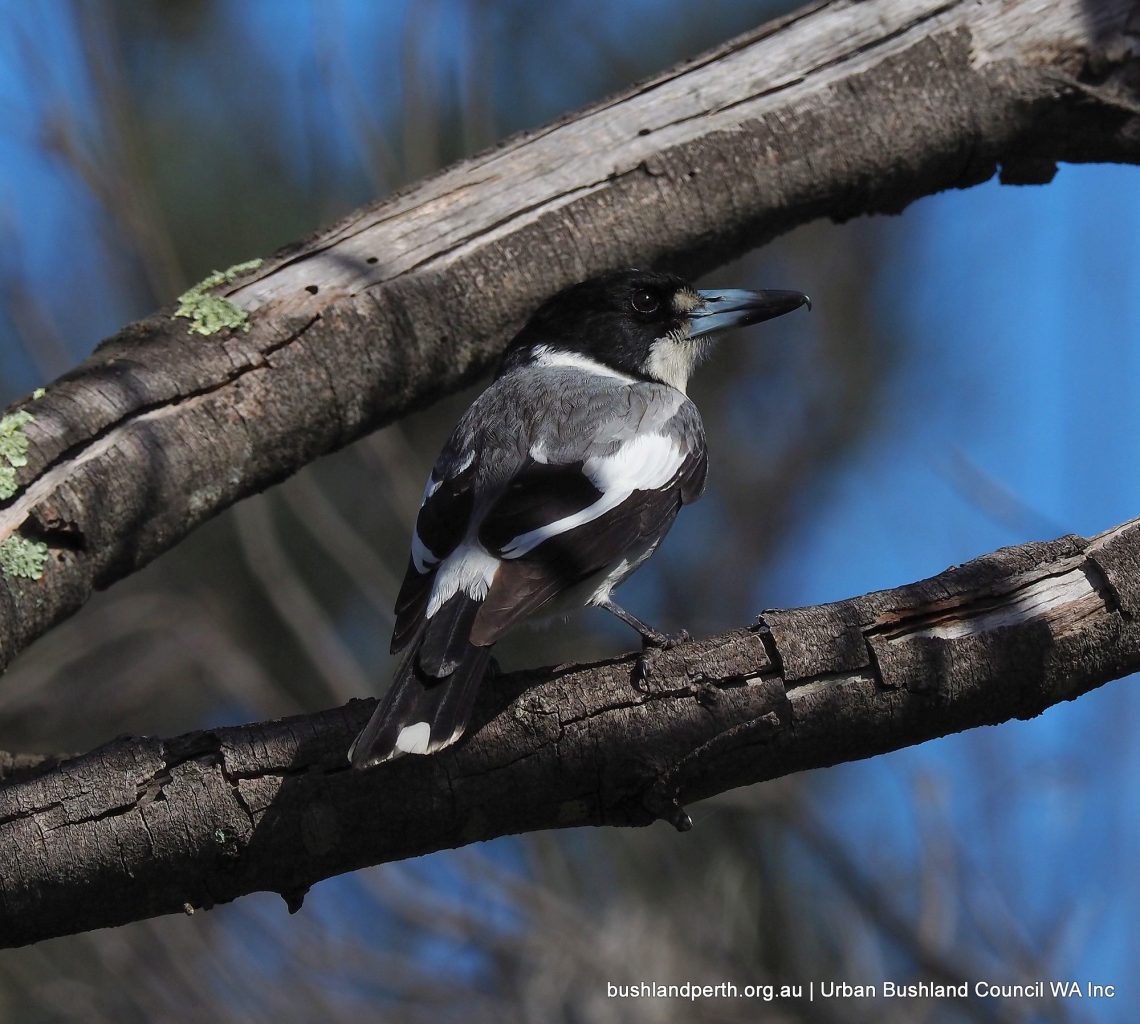
Grey Butcherbirds make themselves known by their raucous, rolling, drawn out ‘laughter’. These are quite content to inhabit near-city areas. At Creery Wetland.
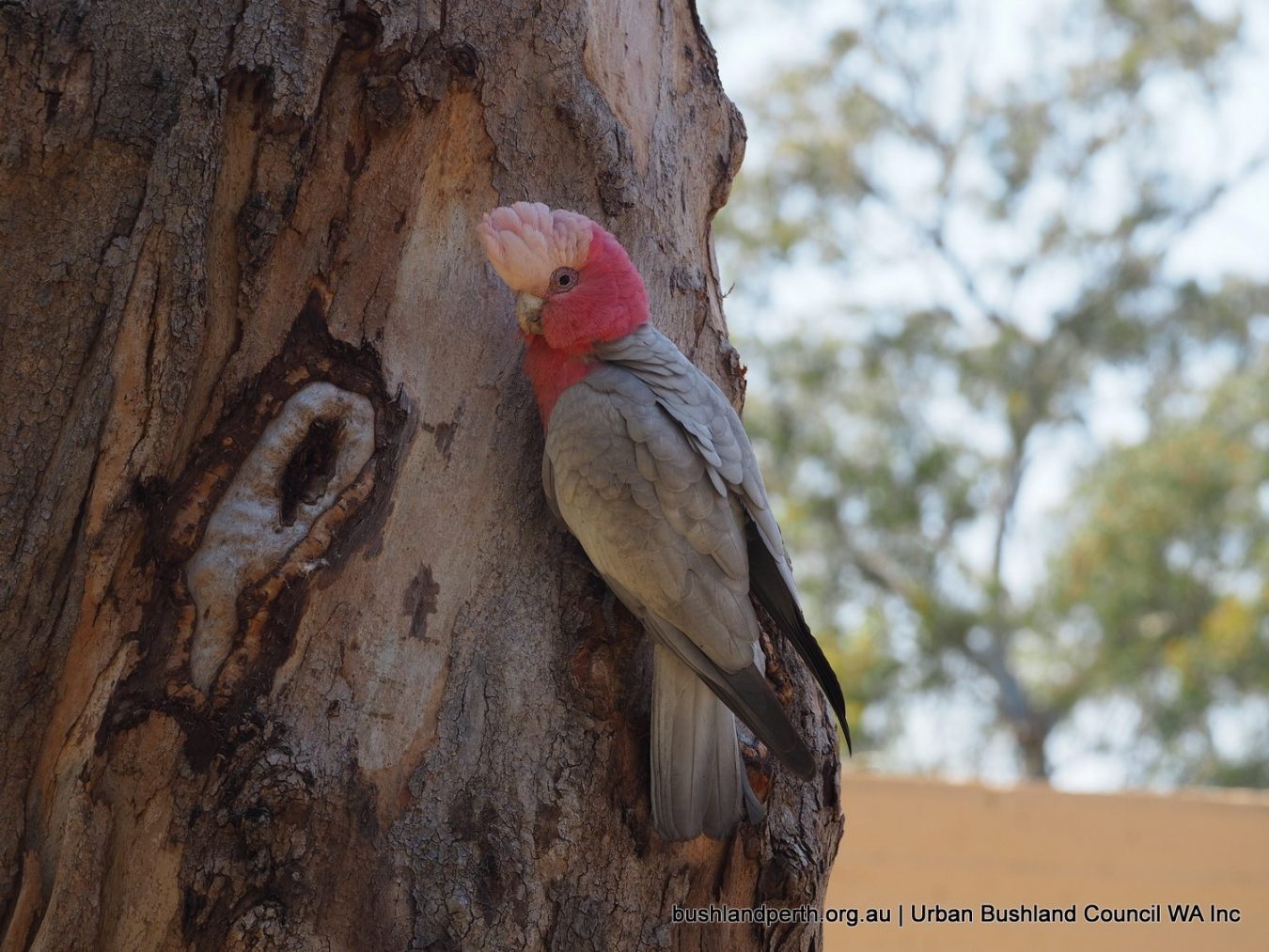
Galah at Ashfield Flats. Common all over the metro.
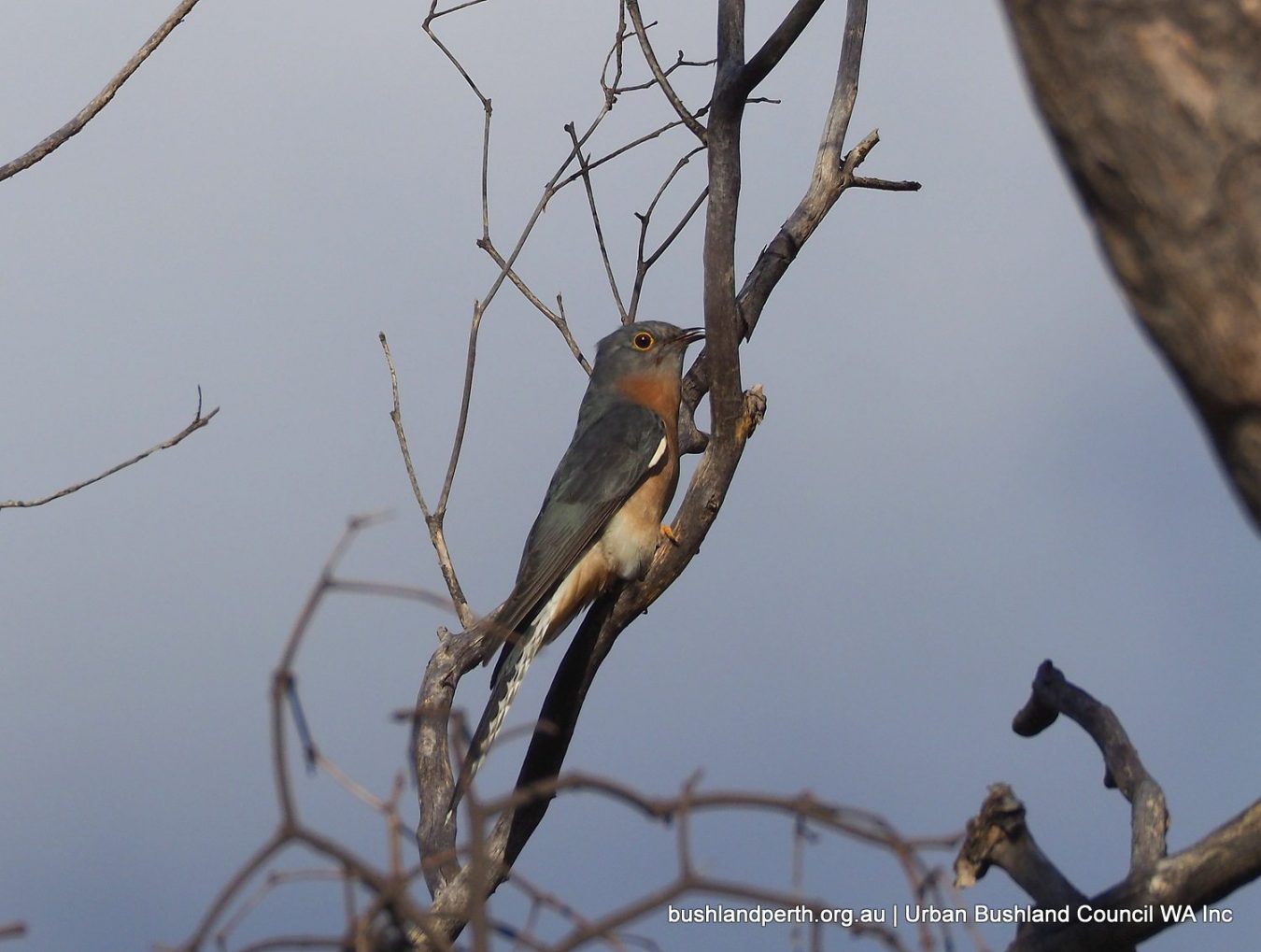
Fantail Cuckoos are the only one of Parth’s four cuckoo species to be resident all year. Parasitises scrub wrens, fairy-wrens and thornbills. This image taken at Martin under the Darling Scarp. Relatively common..
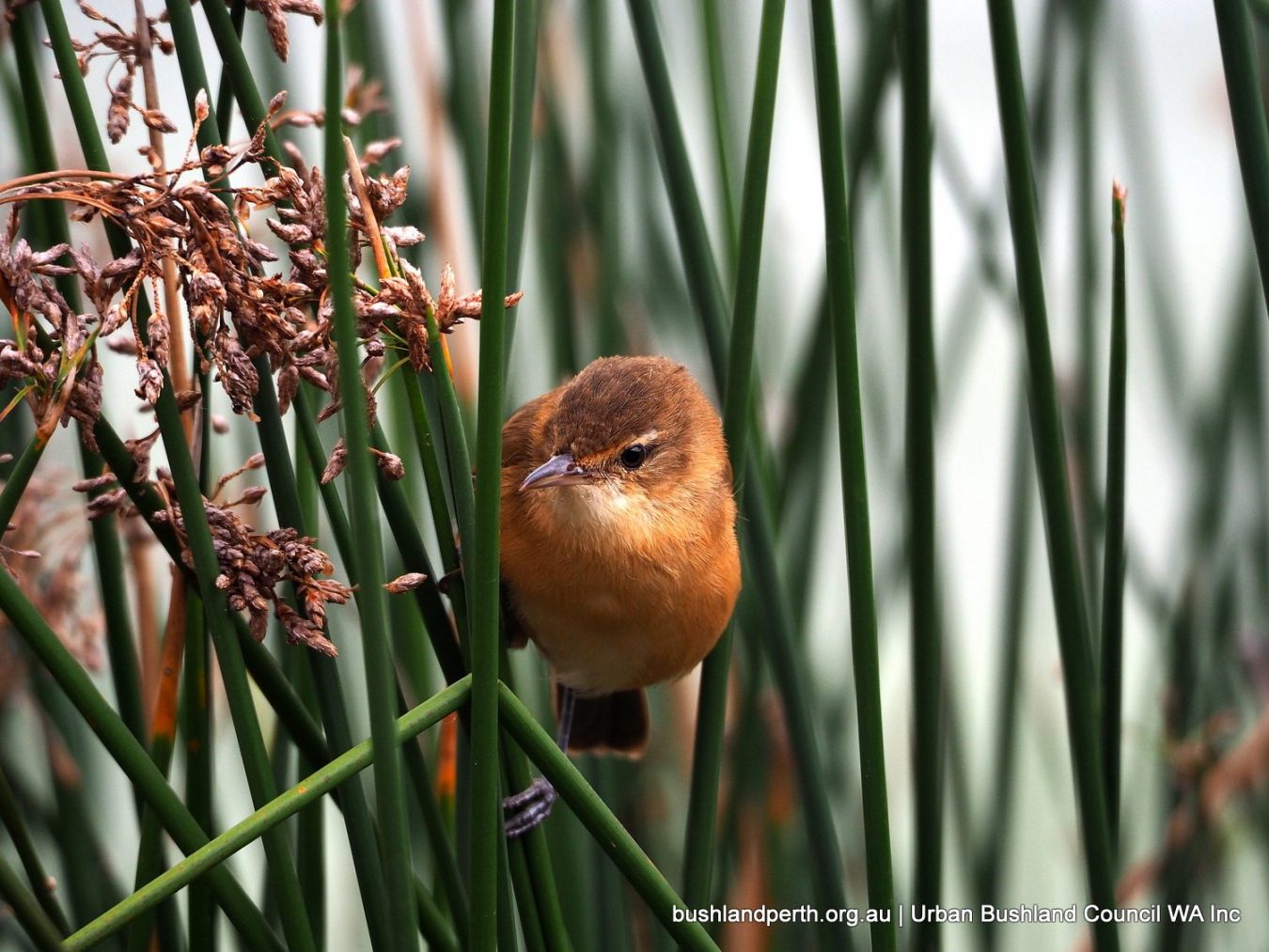
Australian Reed Warbler at Lake Monger. Reedies are a common bird in Perth’s wetlands, inhabiting rushes. Has a strong voice and used to be called the clamorous reed warbler.
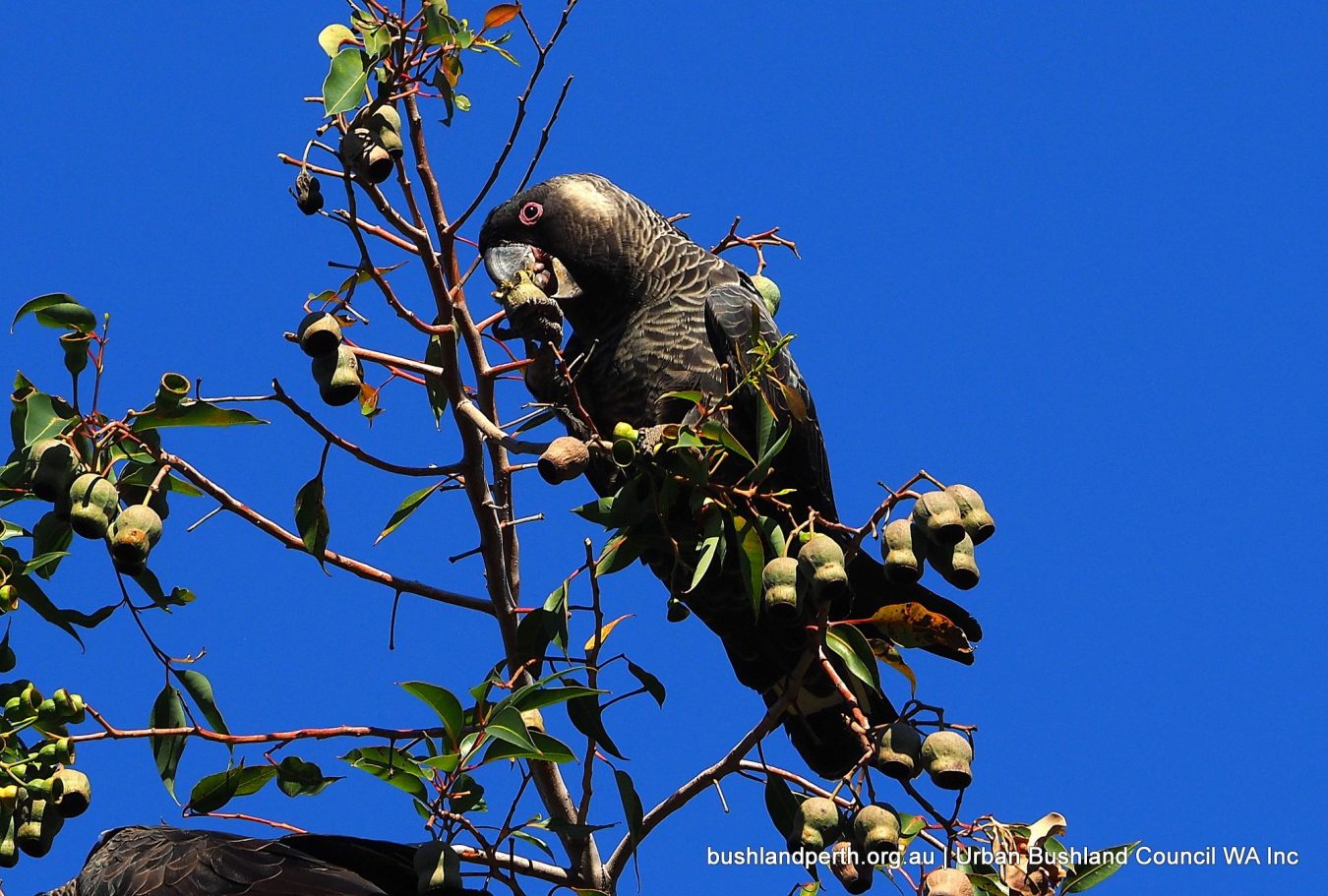
Carnaby’s Black Cockatoo at Hamer Park, Mount Lawley. Another of Perth’s three endangered black cockatoos, Carnaby’s are quite happy in the metro; this bird just five kilometers from the CBD.
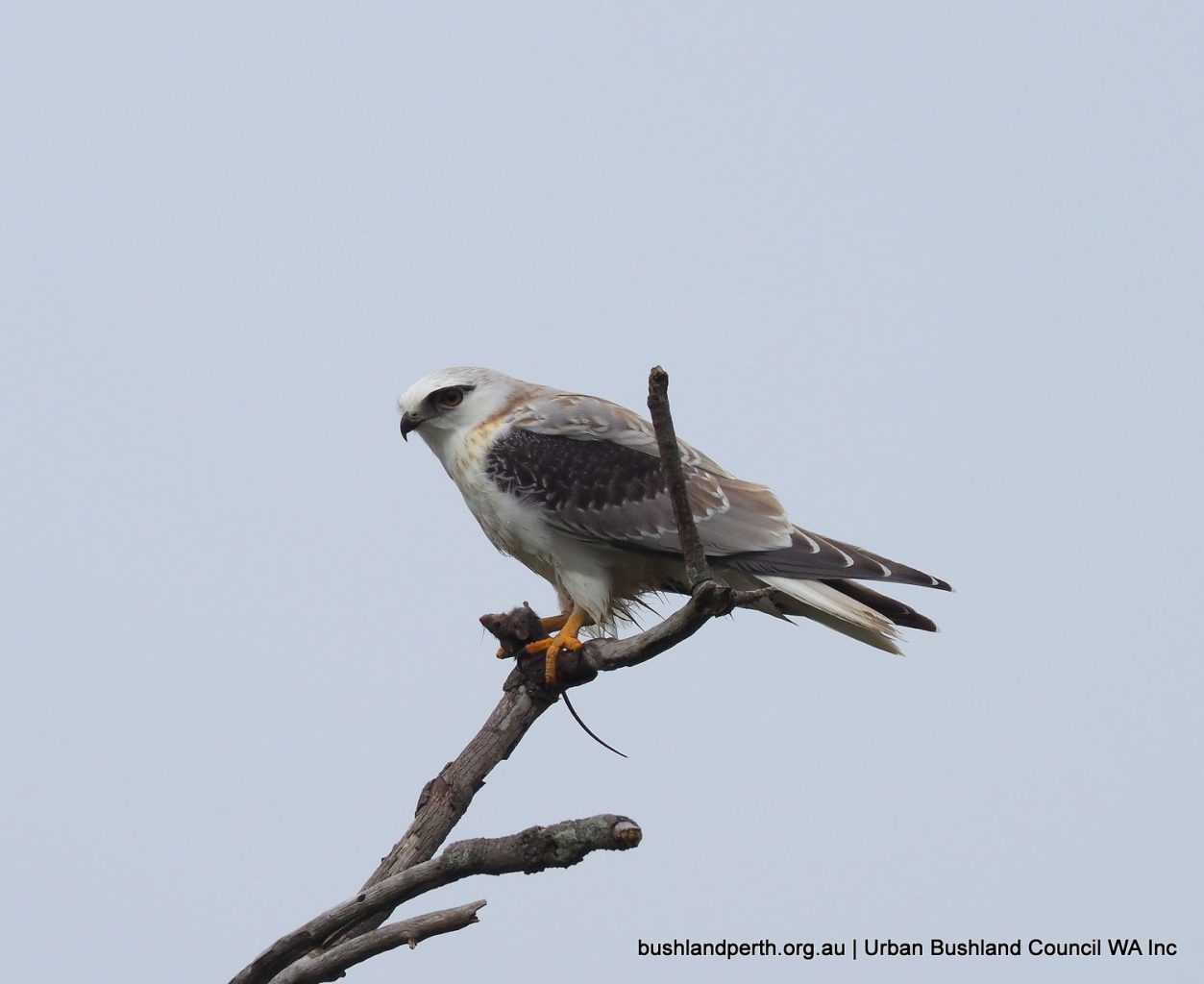
Black-shouldered Kites are frequently seen hunting in a variety of habitats. This juvenile bird with a freshly caught rat at Baigup Wetlands.
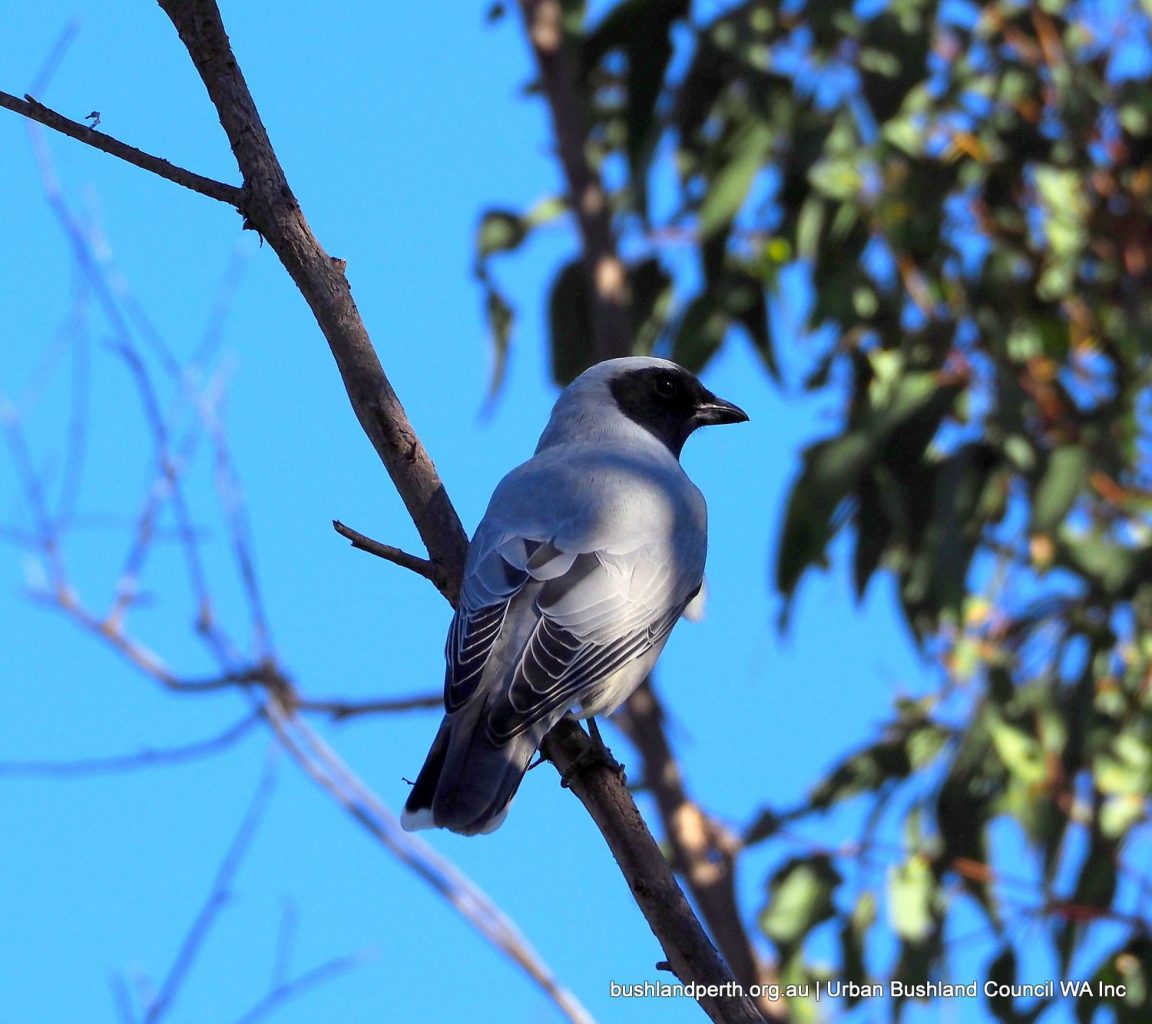
Black-faced Cuckoo Shrike at Kings Meadow Reserve, Guildford. Cuckoo Shrikes have a lovely soft call. A common bird, all over the metro.
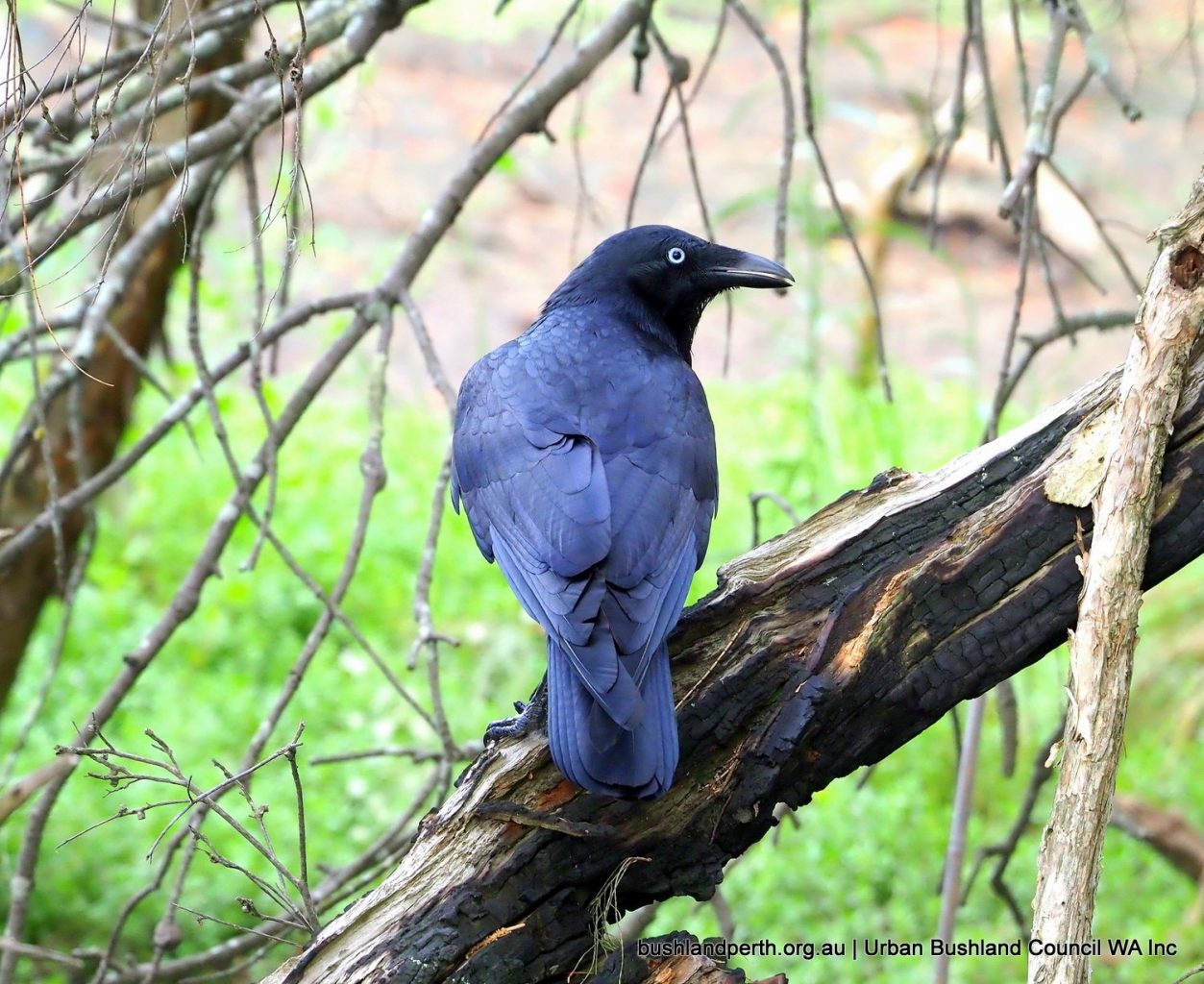
Australian Raven at Baigup Wetlands. Often incorrectly called crows, Ravens are ubiquitous.
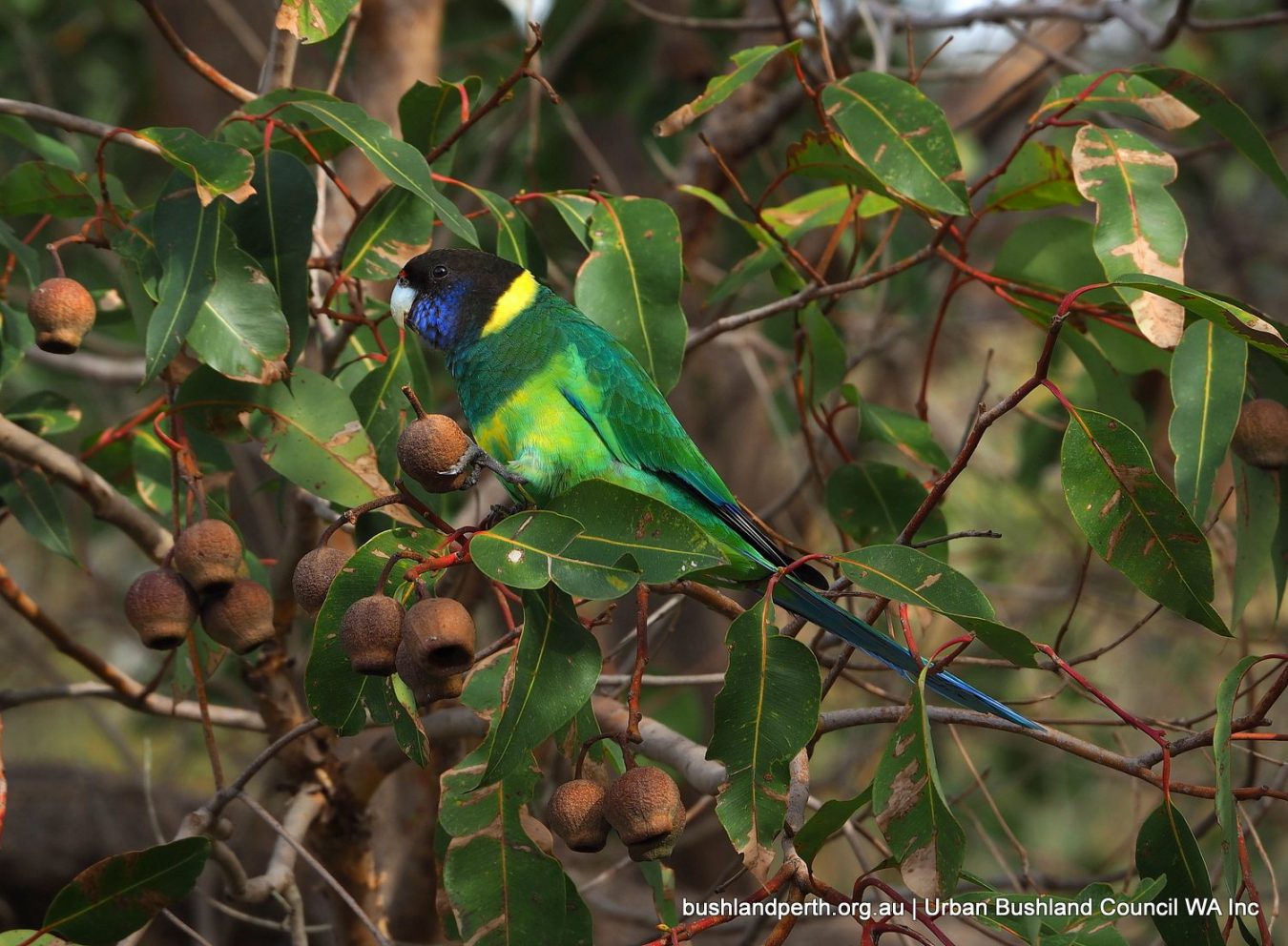
Perth’s most common parrot, Ringneck Parrots have a distinctive call and are beautifully coloured. Here at Ellis Brook Reserve.
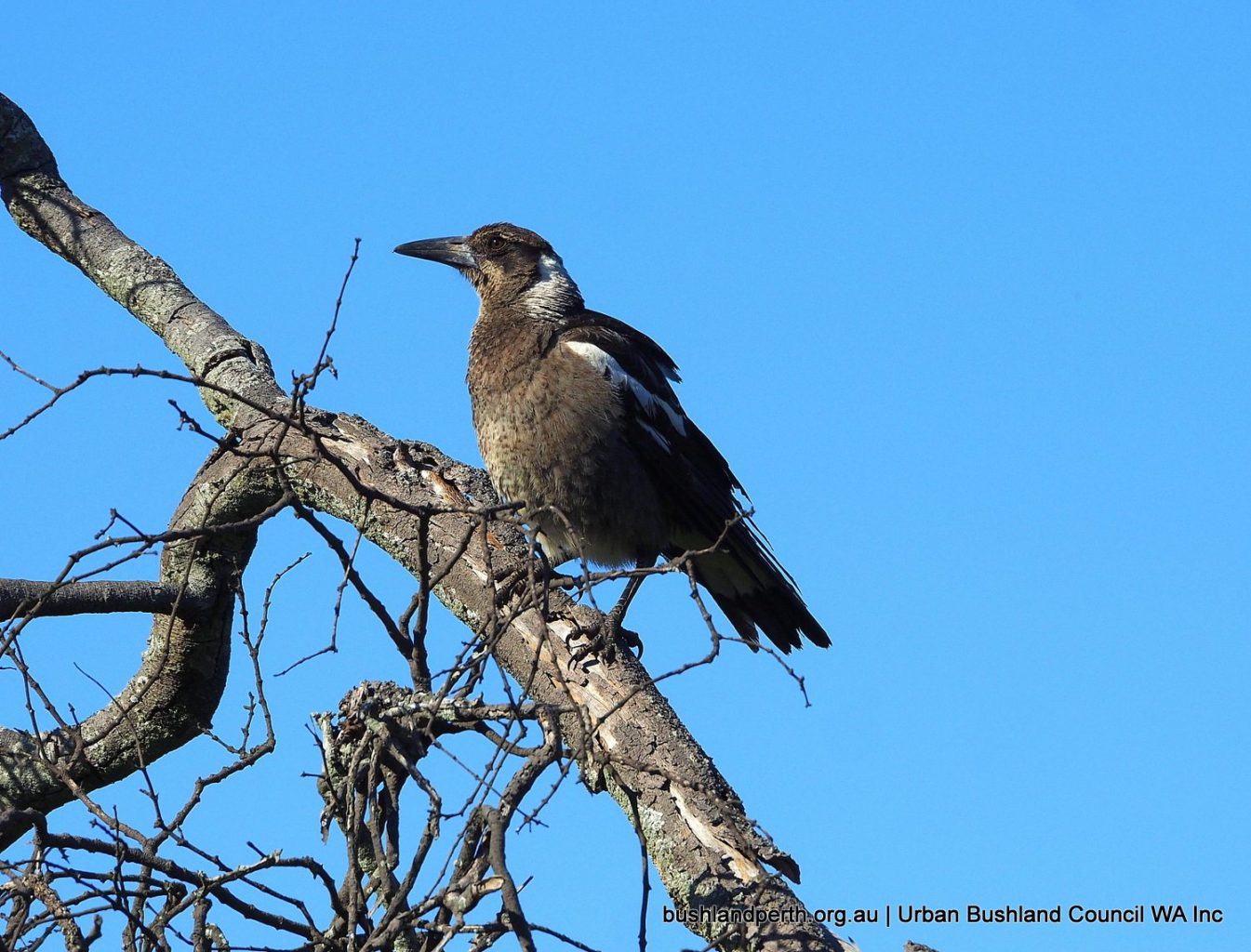
Australian Magpies are common in all bushland urban habitats; this juvenile was at Ashfield Flats.
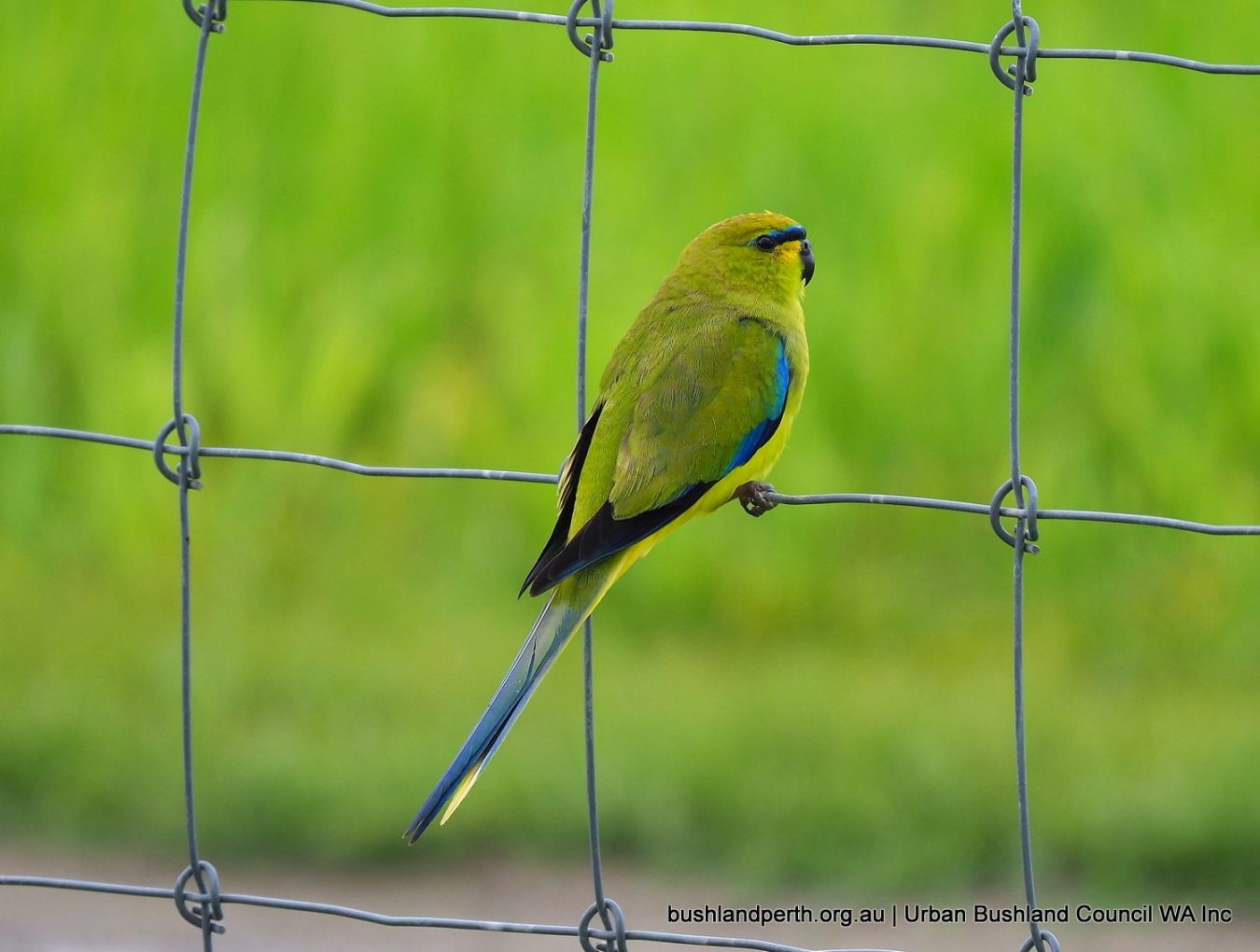
Elegant Parrots are usually found outside the metro, but as for this bird at Martin, will come in to the foothills to forage for seed in paddock areas.
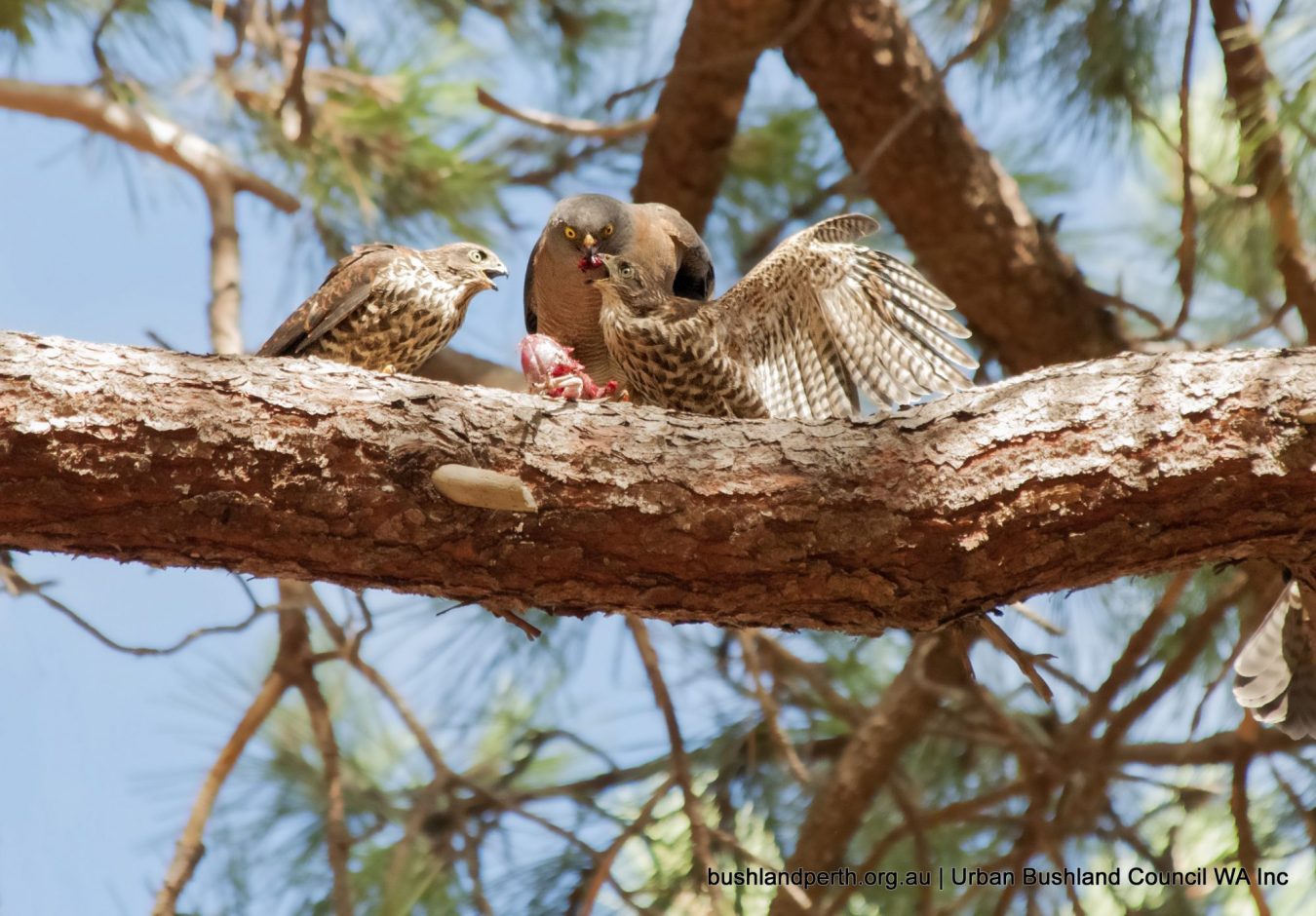
Collared Sparrowhawk feeding young at Bold Park. These are reasonably common raptors. Photo: Friends of Bold Park.
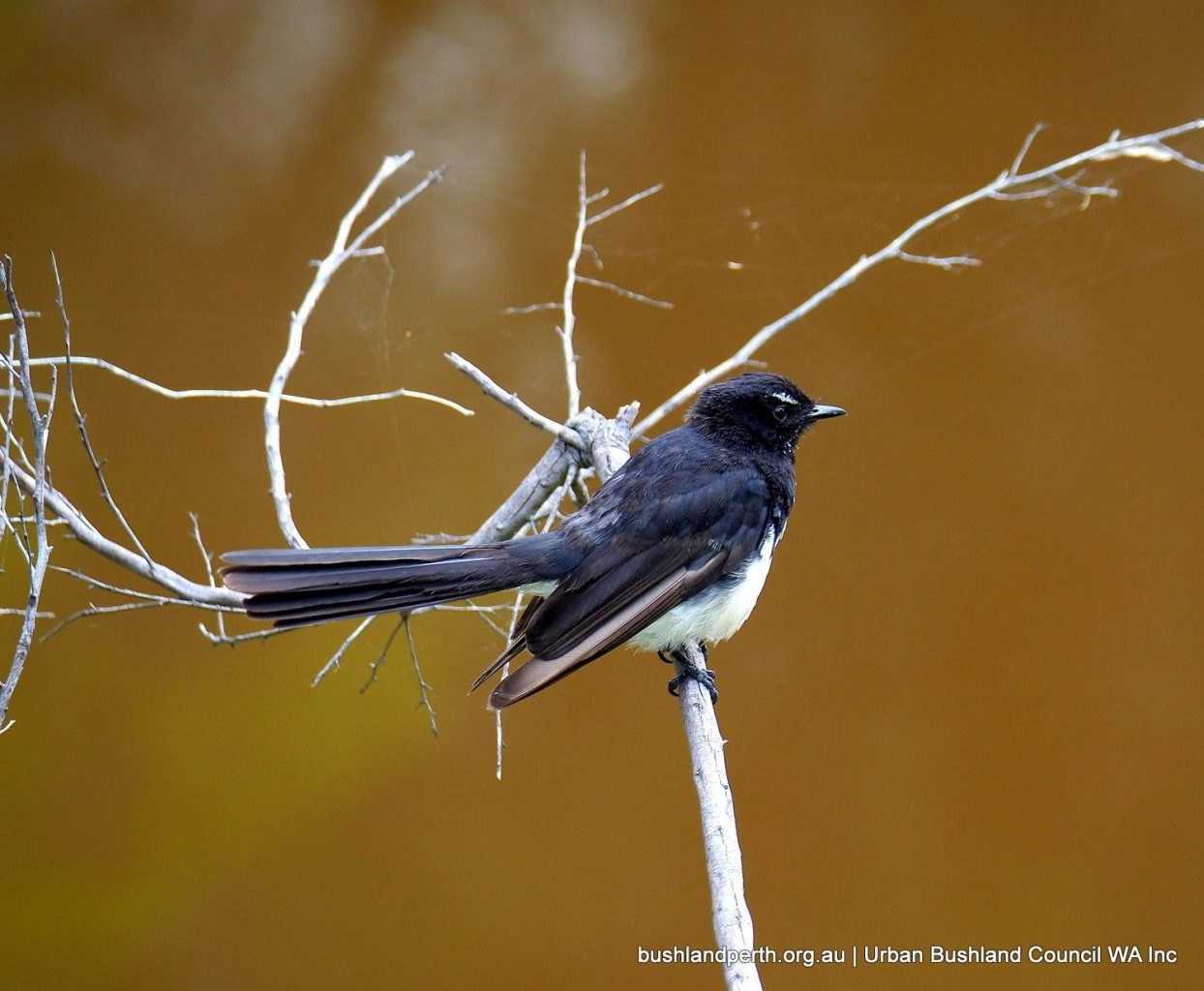
Willie Wagtails are Perth’s most common bushbird. Their populations crashed in the 1960’s through DDT and Dieldrin poison effects, but following the banning of these pesticides, Willies had made a massive ‘comeback’ by the 80’s. This bird at Lake Claremont.
Donations
Donations and support from the wider community help us to protect and campaign for our Urban Bushland.